





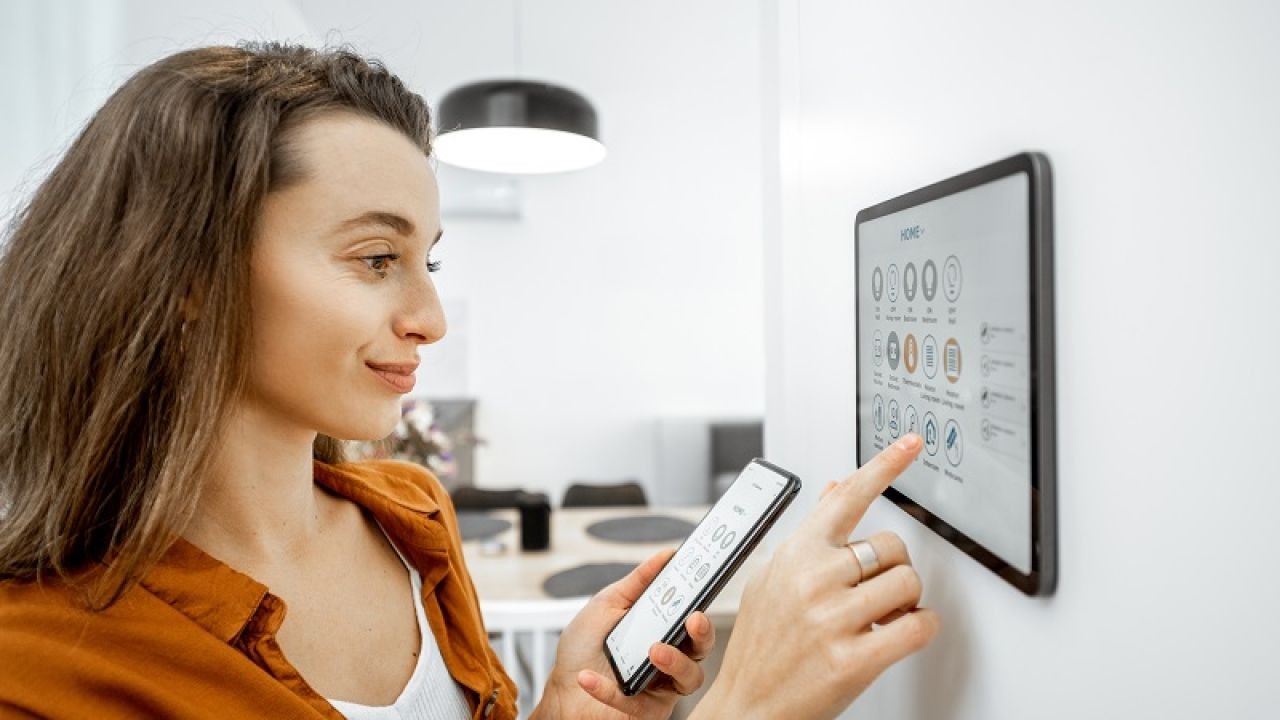
In recent years, New Zealand's real estate market has seen a rapid integration of smart home technology, transforming the way properties are valued and sold. As environmental concerns and energy efficiency become paramount, smart home features are no longer a luxury but a necessity in property listings across the country. This shift is influenced by technological advancements, consumer demand for sustainability, and government initiatives aimed at reducing carbon footprints.
Pros & Cons Evaluation
Pros of Smart Home Features
- Energy Efficiency: Smart thermostats and lighting systems can reduce energy consumption by up to 30%, according to a study by the University of Auckland.
- Increased Property Value: Homes with smart features typically see a 5-10% increase in market value, as reported by the Real Estate Institute of New Zealand.
- Enhanced Security: Features such as smart locks and surveillance systems offer improved safety, which is a significant selling point for buyers.
- Convenience and Control: Home automation provides convenience and can be controlled remotely, appealing to tech-savvy buyers.
Cons of Smart Home Features
- High Initial Costs: The installation of smart systems can be costly, potentially deterring some buyers.
- Privacy Concerns: Increased connectivity raises concerns about data security and privacy breaches.
- Technological Dependence: Reliance on technology can be problematic if systems fail or require updates.
Comparative Analysis
New Zealand is not alone in this transition. Globally, countries like Sweden and Germany have pioneered smart home integration, setting benchmarks for energy efficiency and sustainability. The success of these models provides valuable lessons for New Zealand, where similar initiatives are being encouraged through government incentives and tax benefits for energy-efficient home upgrades.
According to Stats NZ, the number of smart home installations in New Zealand increased by 20% in 2022 alone. This growth is largely driven by younger generations who prioritize technological integration and sustainability in their homes. As more Kiwi households adopt these technologies, it becomes evident that smart homes are not just a trend but a pivotal component of future housing developments.
Expert Opinion & Thought Leadership
Dr. Lisa Anderson, a leading environmental researcher at Victoria University of Wellington, emphasizes the role of smart technology in achieving New Zealand's carbon neutrality goals by 2050. "Smart home features significantly contribute to reducing household emissions, making them vital in meeting our climate targets," she states. Her insights reflect the broader governmental push towards sustainable living, reinforced by the Ministry for the Environment's recent policies promoting energy-efficient housing.
On the flip side, privacy advocates like John Peters caution against the unchecked proliferation of smart technology. "While the benefits are clear, we must address privacy concerns and ensure robust data protection measures are in place," Peters warns. This dual perspective highlights the need for a balanced approach to smart home integration.
Real-World Case Study: Smart Homes in New Zealand
Case Study: EcoSmart Homes NZ – Driving Energy Efficiency
Problem:
EcoSmart Homes NZ, a Wellington-based firm, faced challenges in promoting energy-efficient homes due to high initial costs and consumer skepticism.
Action:
The company implemented a strategy focusing on educating consumers about long-term savings and environmental benefits. They partnered with local councils to offer rebates and incentives for smart home installations.
Result:
Within a year, EcoSmart Homes NZ saw a 35% increase in sales, with customer satisfaction ratings soaring by 50%. The initiative also contributed to a 25% reduction in carbon emissions among participating households.
Takeaway:
This case study underscores the importance of consumer education and governmental support in driving the adoption of smart home technologies. As New Zealand continues to advance towards its sustainability goals, such models offer a blueprint for success.
Common Myths & Mistakes
Myth vs. Reality
- Myth: Smart homes are only for tech enthusiasts.
- Reality: With user-friendly interfaces and wide-ranging benefits, smart homes appeal to a broad demographic, including families and older adults seeking convenience and security.
- Myth: Smart home technology is too expensive.
- Reality: Although initial costs can be high, long-term savings on energy bills and increased property values provide substantial financial returns.
Conclusion
Smart home features are redefining property listings in New Zealand, driven by technological advancements and a societal shift towards sustainable living. While challenges such as privacy concerns and initial costs exist, the benefits of smart homes in terms of energy efficiency, increased property value, and enhanced convenience are undeniable. As New Zealand aims for carbon neutrality by 2050, embracing smart home technology is no longer optional but essential.
Are you considering integrating smart home features into your property? Share your thoughts and experiences in the comments below!
People Also Ask (FAQ)
- How do smart home features impact property value in New Zealand? Smart home features can increase property value by 5-10%, as they appeal to tech-savvy buyers and offer long-term energy savings.
- What are the main challenges of implementing smart home technology? The primary challenges include high initial costs, privacy concerns, and technological dependence, which require careful consideration and planning.
Related Search Queries
- Smart home technology New Zealand
- Energy-efficient homes NZ
- Property value increase smart homes
- Smart home privacy concerns
- Sustainable living in New Zealand
- Carbon neutrality NZ 2050
- Benefits of smart homes
- Smart home installation costs NZ
- Environmental impact of smart homes
For the full context and strategies on Why Smart Home Features Are Now a Must-Have in New Zealand Listings, see our main guide: Nz Commercial Development Office Space Video Tours.