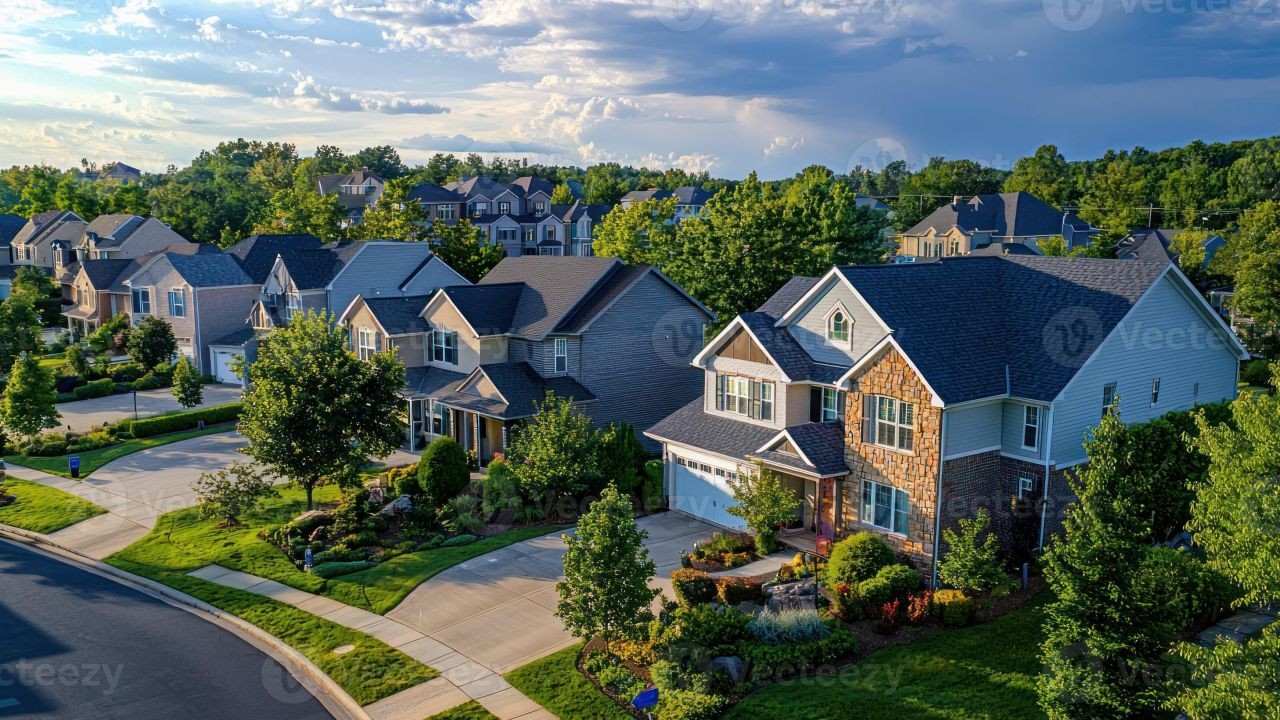




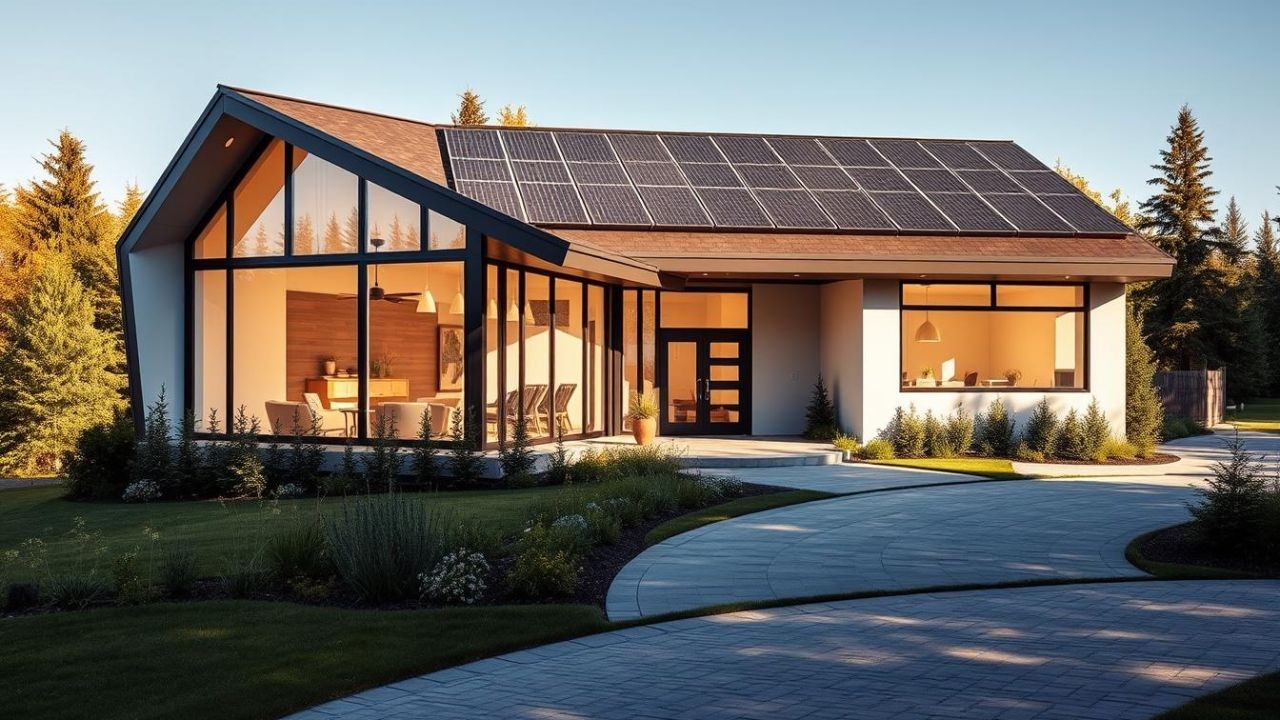
As the world evolves towards sustainability, the property market in New Zealand is no exception. Energy-efficient house tours are gaining traction, offering a unique selling proposition that caters to the growing eco-conscious demographic. This trend, while beneficial, requires careful consideration of various factors including economic, environmental, and regulatory aspects.
The Rising Trend of Energy-Efficient House Tours
In recent years, the demand for energy-efficient homes in New Zealand has surged. According to the Ministry of Business, Innovation, and Employment (MBIE), energy-efficient homes can reduce household energy consumption by up to 30%. This not only lowers utility bills but also minimizes environmental impact, aligning with New Zealand's commitment to carbon neutrality by 2050.
But why are energy-efficient house tours becoming a focal point in property marketing? The answer lies in a combination of consumer demand, regulatory pressures, and technological advancements.
Consumer Demand and Economic Implications
New Zealanders are increasingly prioritizing sustainability. A survey conducted by Stats NZ revealed that 85% of Kiwis consider energy efficiency an essential factor when purchasing a home. This shift in consumer behavior is driven by a broader awareness of environmental issues and a desire to reduce long-term living costs.
From an economic standpoint, energy-efficient homes offer a competitive edge. Properties with sustainable features often have higher market values and attract environmentally conscious buyers willing to invest in long-term savings. This trend is particularly relevant as New Zealand's property market continues to grapple with affordability challenges.
Regulatory Pressures and Industry Trends
Government regulations also play a pivotal role. The Healthy Homes Standards, introduced in 2019, set minimum requirements for heating, insulation, and ventilation in rental properties. These regulations have amplified the demand for energy-efficient upgrades, influencing both homeowners and investors.
Moreover, the property industry's digital transformation facilitates virtual tours, which are increasingly incorporating energy-efficiency metrics. Virtual tours not only provide convenience but also allow potential buyers to analyze a property's sustainability credentials remotely, a trend accelerated by the COVID-19 pandemic.
Pros and Cons of Energy-Efficient House Tours
Pros:
- Increased Market Value: Energy-efficient homes often sell for a premium, reflecting their added value.
- Cost Savings: Lower utility bills provide financial relief for homeowners.
- Environmental Impact: Reduced carbon footprint aligns with global sustainability goals.
- Regulatory Compliance: Meeting or exceeding standards can prevent costly penalties.
Cons:
- Upfront Costs: Initial investments in energy-efficient technologies can be high.
- Market Perception: Not all buyers prioritize sustainability, potentially limiting the target audience.
- Technological Limitations: Rapid technological changes can render current solutions outdated.
Case Study: Sustainable Homes in Wellington
Case Study: KiwiBuild’s Sustainable Initiative – Reducing Energy Consumption
Problem:
KiwiBuild, a government initiative aimed at increasing affordable housing, faced challenges in meeting sustainability targets. The organization struggled to integrate energy-efficient designs within budget constraints, affecting their overall project timelines and goals.
Action:
To address these challenges, KiwiBuild partnered with local green technology firms to implement cost-effective energy solutions, such as solar panels and high-efficiency insulation. They also launched educational campaigns to raise awareness about the benefits of sustainable living.
Result:
KiwiBuild successfully reduced energy consumption by 25% across their projects, leading to a significant decrease in utility costs for homeowners. The initiative also received positive feedback from stakeholders, highlighting the importance of sustainability in the housing sector.
Takeaway:
This case study underscores the viability of collaborative efforts in achieving energy efficiency in housing. It demonstrates that with the right partnerships and strategies, sustainable living is attainable and beneficial for both consumers and the environment.
Debunking Common Myths
Myth: "Energy-efficient homes are too expensive to build."
Reality: While initial costs can be higher, energy-efficient homes save money in the long run through reduced utility bills and maintenance costs. Many government incentives and rebates are also available to offset these initial expenses.
Myth: "Energy efficiency doesn't significantly impact property value."
Reality: Properties with sustainable features often attract higher offers, as evidenced by a 2023 report from the New Zealand Property Investors’ Federation, which showed a 15% increase in value for energy-efficient homes.
Future Trends and Predictions
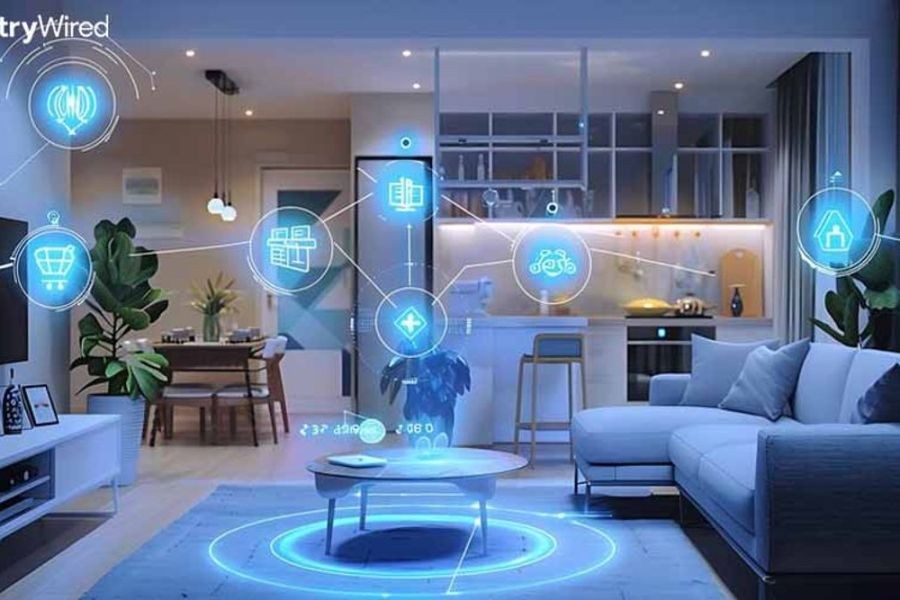
The future of energy-efficient house tours in New Zealand is promising. According to a report by Deloitte, the integration of smart technologies in homes is expected to rise by 40% within the next five years. This trend will further enhance energy management, allowing homeowners to optimize consumption and reduce costs.
Additionally, the New Zealand government is likely to introduce stricter regulations to support its carbon neutrality goals, making energy efficiency not just a choice but a necessity for property developers and homeowners.
Final Takeaways
- Energy-efficient homes are increasingly valued in New Zealand's property market due to consumer demand and regulatory pressures.
- Despite higher upfront costs, these homes offer long-term savings and environmental benefits.
- Future trends indicate a rise in smart home technologies, further promoting energy efficiency.
Are you ready to embrace the sustainability trend in property marketing? Share your thoughts and experiences with energy-efficient homes in the comments below!
People Also Ask (FAQ)
- How do energy-efficient homes impact property value in New Zealand? Energy-efficient homes often attract higher offers, increasing property value by up to 15%, according to the New Zealand Property Investors’ Federation.
- What are the biggest misconceptions about energy-efficient homes? A common myth is that they are expensive to build, but long-term savings on utility bills and available incentives can offset initial costs.
- Who benefits the most from energy-efficient homes? Homeowners, property developers, and the environment all benefit from energy-efficient homes due to cost savings, increased property value, and reduced carbon footprint.
Related Search Queries
- Energy-efficient homes NZ
- Sustainable housing market New Zealand
- Healthy Homes Standards NZ
- Smart home technology trends 2024
- Carbon neutrality goals New Zealand
- Real estate market trends NZ
- Green building strategies
- Government incentives for energy efficiency
- Property investment in sustainable homes
- Virtual tours in property marketing
For the full context and strategies on Why Energy-Efficient House Tours Are Trending in NZ Property Marketing, see our main guide: Property Development Videos New Zealand.