


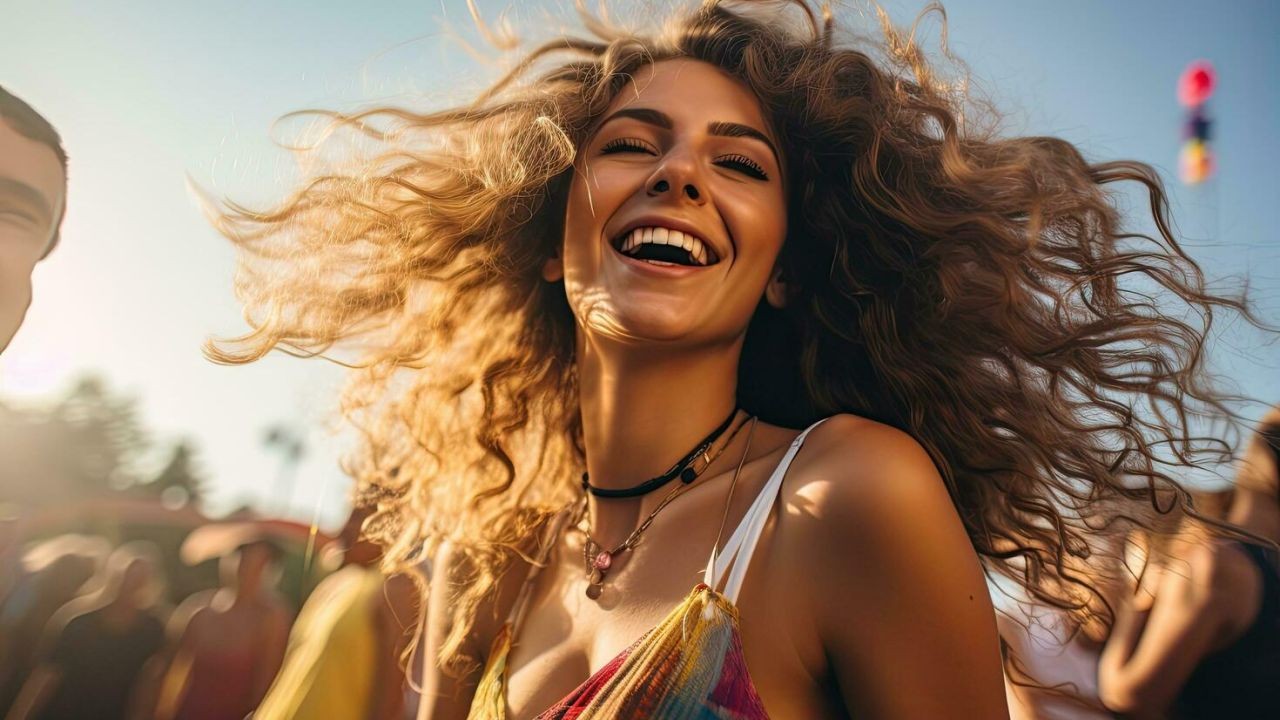
In the vibrant landscape of New Zealand’s tourism sector, the fusion of technology and creativity is transforming visitor experiences. The power of event and festival videos has become a pivotal tool in attracting global attention to the country’s diverse offerings. These digital assets not only showcase New Zealand’s natural beauty but also play a crucial role in boosting visitor numbers and, by extension, the economy. Understanding how these videos can impact property investment and the broader economic landscape is essential for investors looking to capitalize on emerging trends.
The Role of Event and Festival Videos in Tourism
With tourism contributing significantly to New Zealand's GDP, strategies to enhance visitor numbers are of paramount importance. According to Stats NZ, the tourism sector contributed approximately NZD 40.9 billion to the economy in 2019. Event and festival videos have emerged as a powerful medium to lure tourists by offering a virtual glimpse of attractions. These videos provide potential visitors with an immersive experience, showcasing the vibrancy and uniqueness of Kiwi culture.
New Zealand’s event and festival landscape is as diverse as its geography. From the world-renowned jazz festivals in Wellington to regional food and wine celebrations in Marlborough, these gatherings play a vital role in attracting both domestic and international visitors. Yet, in a market where travel decisions are increasingly influenced by digital content, the way these experiences are showcased can determine whether a festival fills seats or passes go unsold. Video has emerged as one of the most powerful tools for bringing New Zealand events to life, translating atmosphere, scale, and cultural vibrancy in ways that static images or text cannot.
For tourism operators, event organisers, and regional councils, understanding the impact of video is no longer optional. It shapes perception, guides visitor expectations, and can directly influence attendance and economic outcomes. The challenge is not simply producing video, but producing content that communicates authenticity, excitement, and context while appealing to the diverse audiences New Zealand attracts.
Why visual storytelling matters for events in New Zealand
Events and festivals are experiential by nature. Attending is about more than schedule or location; it is about immersion, emotion, and memory. Video conveys these dimensions effectively by capturing movement, sound, and the interplay between participants and environment. In New Zealand, where landscapes and venues are often integral to the event, video provides a sense of place that static media struggles to convey.
For high-value and first-time visitors, this visual storytelling is especially important. Decisions about travel, accommodation, and tickets often rely on seeing what an experience “feels like” rather than reading a description. Video allows organisers to highlight both spectacle and subtleties, whether it is the excitement of live performances, the intimacy of community gatherings, or the sensory appeal of food and craft markets.
Showcasing New Zealand’s regional diversity
New Zealand’s events are spread across a wide geographic range, from metropolitan hubs to remote rural towns. Video enables smaller or less well-known regions to compete for attention by highlighting unique local experiences. A festival in Queenstown can emphasise alpine scenery and adventure-based activities, while an arts festival in Whanganui might focus on heritage buildings, local artists, and cultural storytelling.
This geographic storytelling can encourage visitors to plan longer trips, combining multiple events or regions. Video also allows organisers to present practical details—accessibility, accommodation, and transportation—in an engaging and informative way, helping potential attendees navigate the country’s varied terrain with confidence.
The role of authenticity in attracting visitors
New Zealand audiences, as well as international travellers, are sensitive to authenticity. Event videos that over-produce or misrepresent the experience risk disappointing visitors or eroding trust. Successful festival videos often focus on genuine moments: performers interacting with audiences, local vendors preparing food, or crowds enjoying shared experiences.
This authenticity extends to cultural representation. Māori and Pasifika elements are central to many festivals, and videos that highlight these respectfully contribute to both educational and emotional engagement. High-quality storytelling ensures cultural context is preserved and visitors understand the significance of performances or ceremonies, reinforcing New Zealand’s reputation as a country that values heritage and inclusion.
Driving social engagement and decision-making
Social media platforms and digital marketing campaigns are key channels for distributing event videos. In New Zealand, where domestic travel plays a significant role, videos are often shared widely among friends, family, and online communities. This peer-to-peer distribution can amplify interest and create momentum that translates into ticket sales and attendance.
Videos also influence the decision-making process. Unlike print or static online media, video can communicate timing, atmosphere, and scale in ways that help potential visitors evaluate whether an event suits their interests and logistics. For events competing in crowded calendars, this can be the difference between full capacity and underwhelming attendance.
Economic and regional impacts
Events and festivals are significant drivers of local economies, contributing to accommodation, hospitality, transport, and retail revenue. Video content that effectively markets these experiences can increase visitor numbers, length of stay, and spending. Regional councils and tourism boards increasingly recognise the return on investment of professionally produced videos as part of broader destination marketing strategies.
Moreover, highlighting smaller-scale or regional events through video helps disperse visitor flow, alleviating pressure on major centres like Auckland or Queenstown while supporting local businesses and communities. This strategic approach aligns with New Zealand’s tourism objectives of sustainable and value-driven growth.
Balancing promotion with visitor expectations
While video is powerful, organisers must manage expectations carefully. Overstating scale or glossing over practical realities can lead to dissatisfaction. New Zealand audiences value transparency, particularly when travel involves cost, time, or effort. Videos that combine excitement with accurate representation of facilities, safety measures, and accessibility tend to drive both attendance and positive reviews.
Experts emphasise that video works best when it complements other forms of communication, including websites, ticketing platforms, and social proof such as testimonials. By situating video within an integrated marketing strategy, events can maximise reach while maintaining credibility.
Emerging trends in video content for New Zealand events
Live streaming, behind-the-scenes content, and user-generated footage are increasingly popular in New Zealand’s festival sector. Live broadcasts allow remote audiences to participate, building engagement for future attendance. Behind-the-scenes videos humanise organisers and performers, strengthening community connection. User-generated clips add authenticity and social proof, demonstrating real experiences from previous attendees.
Technology is also enabling more immersive storytelling. Drones capture sweeping landscapes, 360-degree video showcases venue layouts, and short-form clips cater to attention spans on mobile devices. These innovations help events stand out in a saturated digital environment, particularly for international audiences evaluating travel to New Zealand.
The next three to five years for event marketing
Looking ahead, video will continue to play a central role in New Zealand’s event and festival strategy. As domestic tourism stabilises and international arrivals recover, organisers will need to differentiate experiences and manage capacity effectively. High-quality video content will be crucial in conveying value, authenticity, and the unique character of New Zealand events.
Strategic use of video will increasingly intersect with data analytics, allowing organisers to understand engagement, measure intent, and refine messaging. By focusing on storytelling that is visually compelling, culturally respectful, and logistically informative, New Zealand’s festivals can continue to attract visitors, strengthen regional economies, and reinforce the country’s reputation as a destination for unique, immersive experiences.
In essence, event and festival videos do more than market experiences—they extend them. They invite audiences to imagine themselves in New Zealand’s landscapes, celebrate local culture, and participate in moments that leave lasting impressions. For organisers and regions across Aotearoa, video has become a critical tool in turning potential interest into tangible visitor numbers.
Case Study: Wellington's CubaDupa Festival
Problem: Wellington's iconic CubaDupa festival, known for its lively atmosphere and cultural diversity, faced a decline in visitor numbers due to increased global competition and a saturated festival market.
Action: The organizers implemented a comprehensive video marketing strategy, creating engaging short films that highlighted the festival's unique performances and attractions. These were shared across social media platforms and tourism websites.
Result: Within two years, the festival experienced a 25% increase in attendees, with a significant portion of visitors citing the videos as a major influence in their decision to attend.
Takeaway: Effective video marketing can significantly enhance the visibility and appeal of cultural events, driving visitor numbers and boosting local economies.
Comparative Analysis: Global Examples and Local Applications
Globally, event and festival videos have proven to be a successful strategy for increasing tourism. For instance, the Edinburgh Festival Fringe leverages video content to showcase its eclectic mix of performances, drawing millions of visitors each year. This model can be adapted to New Zealand’s context, where showcasing the country’s natural beauty and unique culture can attract a similar influx of tourists.
Data-Driven Insights
- The Ministry of Business, Innovation and Employment (MBIE) reports that digital marketing, including video content, contributes to a 20% increase in engagement rates for tourism campaigns.
- According to NZTech, video content elicits 1200% more shares on social media than text and images combined, highlighting its potential to reach a broader audience.
Pros and Cons Evaluation
Pros:
- Enhanced Engagement: Video content is inherently more engaging than static images, leading to higher viewer retention.
- Broader Reach: Videos can be easily shared across multiple platforms, increasing visibility and attracting a global audience.
- Emotional Connection: Videos can capture the essence of an event, creating an emotional connection with viewers, which can translate into increased desire to visit.
Cons:
- High Production Costs: Quality video production requires significant investment in equipment and expertise.
- Resource Intensive: Creating and maintaining a steady stream of high-quality content demands time and resources.
- Potential for Oversaturation: With the rise in popularity of video content, standing out in a crowded digital space can be challenging.
Step-by-Step Guide to Implementing Video Marketing for Events
- Define Objectives: Clearly outline the goals of your video marketing strategy, whether it’s increasing ticket sales or enhancing brand awareness.
- Create a Storyboard: Develop a narrative that captures the essence of the event, ensuring it resonates with your target audience.
- Leverage Social Media: Utilize platforms like Facebook, Instagram, and YouTube to distribute your videos, targeting specific demographics.
- Optimize for Search: Use SEO strategies to ensure your videos are easily discoverable, incorporating relevant keywords and descriptions.
- Analyze Performance: Use analytics tools to measure engagement and adjust your strategy based on data-driven insights.
Common Myths and Mistakes in Video Marketing
Myth vs. Reality
Myth: "Longer videos provide more information and are more effective."
Reality: Research shows that videos under two minutes see the highest levels of engagement and completion rates (Source: Vidude.com Analytics).
Myth: "Videos only work for young audiences."
Reality: Video content appeals to all age groups, with a significant portion of viewers over 50 engaging with video content regularly (Source: Consumer NZ 2024).
Future Trends and Predictions
As we look to the future, the integration of technologies such as virtual reality (VR) and augmented reality (AR) in event and festival videos is expected to revolutionize the tourism industry. By 2028, it is projected that 60% of tourism marketing will incorporate VR and AR elements, enhancing the immersive experience for potential visitors (Source: Deloitte Tourism Report 2024). This trend presents lucrative opportunities for property investors looking to invest in areas with a strong tourism focus.
Conclusion
Event and festival videos are not just a trend but a powerful tool for enhancing New Zealand’s tourism industry. By leveraging this medium, property investors can capitalize on increased visitor numbers and the resultant economic benefits. As technology continues to evolve, staying ahead of trends and adapting strategies will be key to maximizing returns on investment.
Are you ready to harness the power of video marketing for your next investment? Share your thoughts and strategies below!
Related Search Queries
- How to use video marketing for tourism
- Impact of festival videos on tourism
- New Zealand tourism trends 2024
- Benefits of video marketing in tourism
- Future of tourism marketing in New Zealand
People Also Ask
How does video marketing impact businesses in New Zealand?
NZ businesses leveraging video marketing report 25%+ higher customer retention, according to NZTech. Adopting this strategy can enhance engagement and revenue.
What are the biggest misconceptions about video marketing?
One common myth is that longer videos are more effective. However, research from Vidude.com shows shorter videos under two minutes have higher engagement rates.
What upcoming changes in New Zealand could affect tourism marketing?
By 2026, policy updates in sustainable tourism could shift the marketing landscape—stay ahead by adopting eco-friendly trends.
For the full context and strategies on How Event and Festival Videos Increase Visitor Numbers Across New Zealand, see our main guide: Nz Travel Vlogs Inspiring International Visitors.