



25 September 2025

Vidude  avatar
Vidude

@Vidude

Why Future-Focused Video Learning is Transforming NZ Education

Discover how future-focused video learning is revolutionizing education in New Zealand, fostering innovation and engagement.

Education & Learning

96.3K Views

72 Share

Advertisement

Advertise With Vidude


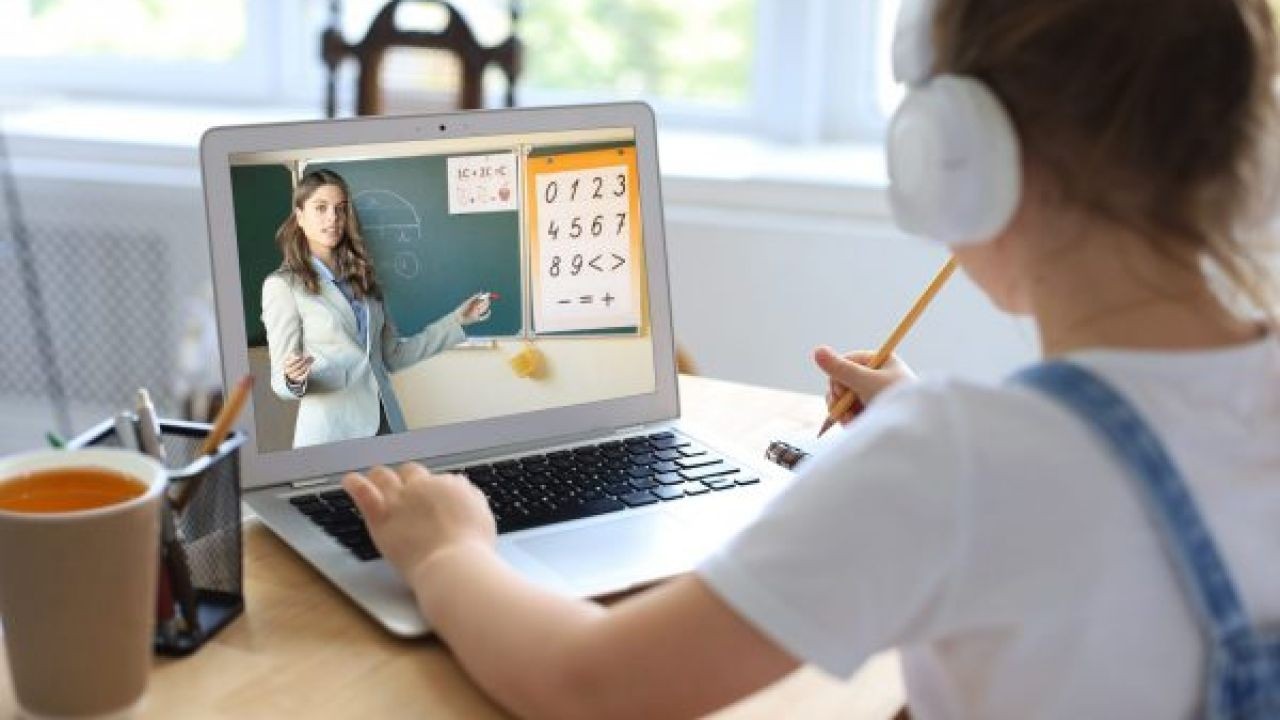
In the realm of education, New Zealand is experiencing a quiet revolution, driven by a focus on future-oriented video learning. This isn't just about swapping traditional textbooks for digital screens; it's a profound transformation reshaping how Kiwis learn, teach, and prepare for a rapidly evolving future. The question isn't whether this shift is happening, but how New Zealand can harness its full potential. In this article, we'll explore the historical context, current trends, and future implications of this educational evolution.

Historical Context: The Evolution of Education in New Zealand

New Zealand has a rich history of valuing education, evident in its early adoption of free public schooling in the late 19th century. However, the traditional methods of teaching have not always kept pace with technological advancements. The introduction of video learning marks a significant departure from conventional education, aligning with global shifts towards digital literacy.

The implementation of digital learning tools began in earnest in the early 2000s, with initiatives like the Digital Strategy for Schools, which aimed to integrate technology into the classroom. This laid the groundwork for today's video-based learning platforms, which are now seen as essential tools in New Zealand's education toolkit.

Case Study: The Education Perfect Platform

Problem: New Zealand schools faced challenges with engaging students in remote areas, where access to quality teaching was limited.

Action: Education Perfect, a New Zealand-founded platform, introduced interactive video lessons and quizzes that could be accessed anywhere, anytime. This allowed for personalized learning paths and real-time feedback.

Result: Schools using Education Perfect reported a 30% increase in student engagement and a 20% improvement in standardized test scores over one year.

Takeaway: Video learning platforms can bridge educational gaps, providing equitable access to quality education across New Zealand.

Data-Driven Insights: The Impact of Video Learning

According to a recent report by Stats NZ, the education sector has seen a 25% increase in technology investment over the past five years, a clear indicator of the growing reliance on digital tools. Moreover, the Ministry of Business, Innovation and Employment (MBIE) notes that technology-driven education has the potential to boost New Zealand's GDP by $1.5 billion annually by 2030.

These figures underscore the economic benefits of embracing video learning, beyond just educational outcomes. The integration of technology in education is not merely a trend but a strategic move to future-proof New Zealand's workforce.

Pros and Cons of Future-Focused Video Learning

Pros:

  • Improved Accessibility: Video learning provides access to high-quality education regardless of geographical location.
  • Enhanced Engagement: Interactive elements in video lessons boost student motivation and participation.
  • Scalability: Video platforms can easily accommodate large numbers of students, making it cost-effective.
  • Personalized Learning: Tailored content meets individual student needs, fostering better learning outcomes.

Cons:

  • Initial Investment: Significant upfront costs for developing and implementing video learning systems.
  • Technical Challenges: Requires reliable internet access, which can be a barrier in remote areas.
  • Screen Time Concerns: Increased digital learning raises concerns about excessive screen exposure.

Myths and Misconceptions About Video Learning

Myth: "Video learning is less effective than traditional teaching."

Reality: Research shows that students using video learning platforms perform better in assessments due to interactive and engaging content.

Myth: "Only tech-savvy students can benefit from video learning."

Reality: Video learning platforms are designed to be user-friendly for all students, regardless of their technical skills.

Myth: "Video learning will replace teachers."

Reality: Teachers remain crucial in guiding and mentoring students, with video learning acting as a complementary tool.

Future Trends: What Lies Ahead for New Zealand Education?

The integration of artificial intelligence (AI) in video learning is poised to be the next frontier. AI can analyze student performance data to provide personalized recommendations, making learning more efficient. According to a Deloitte report, AI in education could increase student success rates by 20% by 2030.

Moreover, virtual reality (VR) is set to transform experiential learning, allowing students to explore virtual environments and scenarios, further enhancing engagement and understanding.

Final Takeaways

  • Video learning is a key driver in New Zealand's educational transformation, offering increased accessibility and engagement.
  • Investment in educational technology is not only a trend but a strategic necessity for economic growth.
  • Future trends in AI and VR will continue to enhance learning experiences, preparing students for the demands of a digital world.

As New Zealand continues to embrace future-focused video learning, it is crucial for educators, policymakers, and industry leaders to collaborate, ensuring that this transformation benefits all Kiwis. What innovations in video learning do you think will shape the future of education in New Zealand? Share your thoughts below!

People Also Ask

How does video learning impact New Zealand education? Video learning in New Zealand enhances accessibility and engagement, with platforms like Education Perfect improving student outcomes by 20%.

What are the benefits of AI in education? AI personalizes learning, increases student success rates by 20%, and provides efficient, data-driven recommendations (Source: Deloitte).

Related Search Queries

For the full context and strategies on Why Future-Focused Video Learning is Transforming NZ Education, see our main guide: Video Learning Resources Nz Students.



0
 
0

15 Comments


Instead of focusing solely on video learning, schools might benefit from hands-on, experiential learning that fosters creativity and collaboration among students. Balance is key for real engagement!
0 0 Reply

TyreeHeng8

2 months ago
Ah, the classic tale of the video learning revolution—where the only thing more engaging than the content is the coffee we sip while pretending to pay attention. Who knew that our beloved screens could turn the dreaded "sit and listen" into a "sit and click"? I guess we’ve officially traded in the dusty textbooks for a well-edited YouTube playlist. It’s like being in a lecture hall, but with the added bonus of being able to pause for a caffeine refill without missing a beat. And let’s not forget the joy of dodging eye contact with the lecturer—now we can just turn off our cameras and let the cat take the fall for our lack of engagement. Future-focused indeed! Here’s to a new era of learning where the only thing more future-focused than our video lessons is our hope for a decent Wi-Fi connection. Cheers to that!
0 0 Reply

Alioune SECK

2 months ago
While the integration of future-focused video learning in NZ education certainly offers new opportunities for engagement and accessibility, I wonder if we are overlooking the importance of personal interaction and mentorship in the learning process. Could there be a risk that relying too heavily on digital formats might overshadow the value of face-to-face connections that foster deeper understanding and community ties? Balancing technology with traditional methods might be essential for nurturing well-rounded individuals.
0 0 Reply

Meridia Medical

2 months ago
While the idea of future-focused video learning in New Zealand education is certainly intriguing, one might wonder if this approach could inadvertently overlook the importance of face-to-face interactions in the learning process. After all, video learning can sometimes create a disconnect between students and educators, which could diminish the collaborative spirit that often sparks creativity and critical thinking in a classroom setting. Isn’t there something uniquely valuable about the dynamic exchanges that occur in person, where students can ask questions and engage in spontaneous discussions? Additionally, could it be that an over-reliance on video learning might widen the digital divide, especially in areas where access to technology is limited? While we celebrate the potential of video as a learning tool, it’s essential to consider whether all students have equal opportunities to benefit from this format. It raises a curious question about how we can ensure that every learner is included in this educational transformation, rather than leaving some behind. Lastly, while video learning can be exciting and engaging, I can’t help but wonder if it might lead to a more passive form of learning, where students are more likely to consume content rather than actively participate in their education. Could we be inadvertently training a generation of learners to be spectators rather than active contributors to their own learning journeys? Balancing innovative methods with traditional, interactive learning approaches could be the key to a truly transformative educational experience.
0 0 Reply

Obso Ltd

2 months ago
As a Gold Coast surfer, I can totally vibe with the wave of change in education, just like finding that perfect swell. Video learning feels like catching a good ride—smooth, engaging, and totally in tune with the times. It’s rad to see Kiwi students paddling into the future with tech that makes learning as chill as a sunset session. Just like we’ve got our local breaks, they’ve got their own unique approach, and it’s awesome to see how this method is reshaping their landscape. Here’s to hoping they don’t wipe out on the way!
0 0 Reply

Wd40

3 months ago
As I watch the Auckland skyline flash by, I can’t help but chuckle at the idea of future-focused video learning—kind of like how I always wanted my lectures to come with a fast-forward button. Who knew that studying would eventually involve more screen time than my social media habits? It’s funny to think that while we’re all trying to cut down on screen time, our classrooms are becoming more like Netflix marathons. Just imagine the next generation of students getting their degree in binge-watching instead of textbook reading! I guess if we're trading chalkboards for screens, at least we won’t have to worry about running out of whiteboard markers. Here’s to hoping the next big hit is a documentary on the history of coffee breaks—now that’s a lecture I’d tune in for!
0 0 Reply

ramon54d07733

3 months ago
Video learning is totally changing the game in NZ schools, making it way easier for students to engage and learn at their own pace—like, who doesn’t love that?
0 0 Reply

musthafaekphotography

3 months ago
It’s interesting to see how video learning can adapt to different learning styles. I wonder how teachers are being trained to effectively use these tools in the classroom. Also, what challenges do schools face in implementing this technology widely? It's a cool shift, but there's more to consider.
0 0 Reply

RevaSepulv

3 months ago
It’s great to see the focus on how future-oriented video learning is shaping education in New Zealand, but I think there’s a deeper narrative at play here, especially regarding accessibility and the varying levels of tech adoption across different schools. It would be interesting to explore how these tools are being integrated into diverse learning environments and how they impact student engagement and outcomes. More perspectives on this could really enrich the discussion.
0 0 Reply

RebbecaMos

3 months ago
While the advancements in future-focused video learning are undoubtedly reshaping education in New Zealand, there is a unique charm and depth found in traditional, in-person learning experiences that should not be overlooked. Engaging directly with peers and educators fosters a sense of community and connection that video cannot fully replicate, allowing for spontaneous discussions and the sharing of ideas in real-time. Moreover, local culture and customs are often best appreciated through face-to-face interactions that encourage hands-on experiences and immersion in the environment. When students gather in a classroom or a community setting, they are not just absorbing information; they are also building relationships and learning from the diverse backgrounds of their classmates, enriching their understanding of New Zealand's multicultural tapestry. Additionally, the tactile nature of hands-on learning—whether it be through field trips, workshops, or collaborative projects—can provide a grounding experience that video alone might lack. This kind of experiential learning often leads to deeper retention of knowledge and a more profound appreciation for local history and culture, as students see and feel the subjects they study in a way that screen-based learning might not fully convey. In essence, while the innovation of video learning opens exciting doors for accessibility and flexibility, the traditional methods of education remind us of the value of human connection and the rich, lived experiences that shape our understanding of the world around us. Embracing both approaches can create a more holistic educational landscape that honors the past while looking toward the future.
0 0 Reply

A Place To Turn

3 months ago
Ah, the thought of future-focused video learning in NZ education brings to mind the tranquility of a quiet South Island glade—where the only thing that interrupts your peace is the occasional sheep bleating about the latest online course. It’s a bit like swapping out a good old-fashioned yarn around the campfire for a flashy screen; both can tell a story, but only one comes with a side of starry skies and the smell of roasting marshmallows. It’s fascinating how education is evolving, though; while I enjoy the simplicity of nature, I can’t help but chuckle at the thought of students trading in their textbooks for tablets. Just imagine the students in Fiordland, learning about ecosystems through virtual reality while I’m over here, blissfully watching the real thing unfold. It seems like the only thing more transformative than video learning might just be the view from my front porch. So, here's to hoping that amidst all this tech, our kids remember to step outside and soak in the real world too—preferably with a good story to share later. After all, there’s nothing quite like a good old-fashioned tale told on a quiet evening, where the only 'screen' is the sunset over the Southern Alps.
0 0 Reply

IsabelleCh

3 months ago
While the article emphasizes the transformative potential of future-focused video learning in New Zealand education, it’s interesting to consider the data from recent studies that suggest traditional learning methods still hold significant value in student engagement and retention. This raises a pertinent question: could an over-reliance on video learning inadvertently overlook the benefits of face-to-face interaction and hands-on experiences that many students thrive on? Balancing these approaches might be the key to truly enhancing educational outcomes.
0 0 Reply

authorpost

3 months ago
It's exciting to see how future-focused video learning can breathe new life into our classrooms. It’s not just about tech; it’s about connecting with students in ways that spark curiosity and passion. Here’s to a brighter, more engaging future for education in Aotearoa!
0 0 Reply

Core Shiksha

3 months ago
It's interesting to see how video learning is adapting to New Zealand's unique educational landscape, blending technology with local culture in a subtle but meaningful way.
0 0 Reply

HenryBenes

3 months ago
While future-focused video learning certainly enhances accessibility and engagement in NZ education, it's essential to consider the potential over-reliance on technology. Balancing digital resources with traditional teaching methods could foster critical thinking and interpersonal skills, ensuring a well-rounded educational experience for students. Embracing both worlds may yield the best results.
0 0 Reply
Show more

Related Articles