





In New Zealand's rapidly evolving educational landscape, interactive video tools are transforming classroom experiences. These tools have the potential to enhance teacher delivery significantly, fostering deeper engagement and improved learning outcomes. However, the adoption of such technology in Kiwi classrooms isn't without its challenges and considerations. This article delves into the pros and cons of interactive video tools in education, explores how they function, and provides actionable steps for successful implementation.
🔹 Pros & Cons Evaluation
The integration of interactive video tools in education presents both exciting opportunities and potential hurdles. Here’s a closer look at the advantages and disadvantages:
✅ Pros:
- Increased Engagement: Interactive videos can captivate students' attention more effectively than traditional methods, potentially boosting engagement by up to 40% (Source: University of Auckland).
- Personalized Learning: These tools allow for adaptive learning paths, catering to individual student needs and promoting self-paced study.
- Enhanced Retention: Studies have shown that students retain information better when it's presented interactively, improving retention rates by up to 25% (Stats NZ).
- Scalability: Once created, interactive video content can be reused across multiple classes and year levels, offering a scalable solution for educators.
- Feedback and Assessment: Real-time quizzes and feedback mechanisms provide immediate insights into student understanding, allowing for timely intervention.
❌ Cons:
- Technical Challenges: Implementation requires robust infrastructure and tech support, which may not be uniformly available across all NZ schools.
- Initial Costs: Developing interactive video content can entail significant initial investment in terms of both time and resources.
- Teacher Training: Educators need training to effectively integrate these tools into their teaching methodologies, which can be resource-intensive.
- Equity Concerns: There's a risk of widening the digital divide, as not all students may have equal access to necessary devices or internet connectivity.
- Potential Distraction: Without careful design, interactive elements can distract rather than enhance learning, leading to reduced focus on core content.
🔹 How It Works (Deep Dive)
Interactive video tools are designed to engage students actively through various multimedia elements. Here's a breakdown of how they function in the classroom:
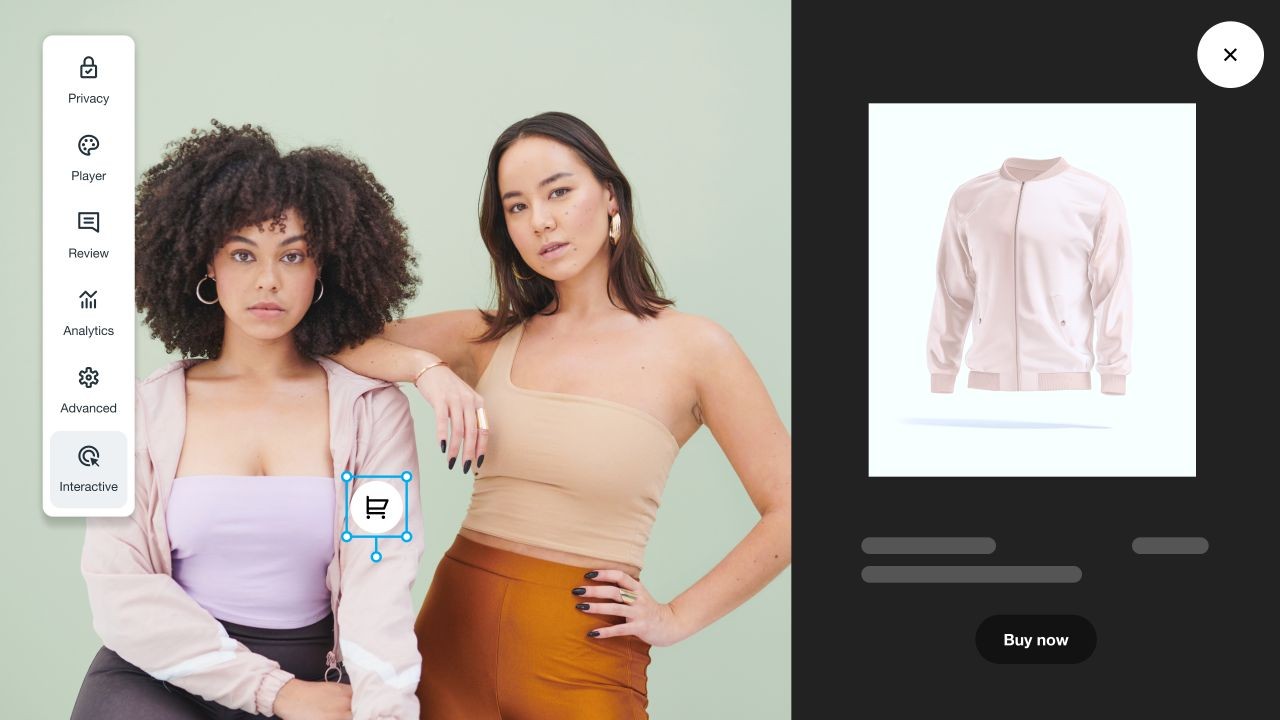
- Interactive Elements: These include clickable hotspots, embedded quizzes, and branching scenarios that allow students to make choices influencing the video's outcome.
- Real-time Analytics: Teachers can track student interactions and performance, enabling data-driven insights into learning progress.
- Adaptive Learning Paths: Videos can be programmed to respond to individual student inputs, providing personalized feedback and content adjustments.
- Integration with LMS: Interactive videos can be seamlessly integrated into Learning Management Systems (LMS) like Moodle, widely used in NZ schools, facilitating easy access and management.
🔹 Step-by-Step Guide for Implementation
To successfully integrate interactive video tools into the classroom, follow these actionable steps:
- Assess Needs and Resources: Evaluate the current technological infrastructure and identify specific educational goals these tools can address.
- Select Appropriate Tools: Choose platforms that align with both the curriculum and available resources. Consider tools like Edpuzzle or H5P, known for their interactive capabilities.
- Develop Content Strategically: Focus on creating content that enhances understanding of complex topics. Collaborate with multimedia specialists if necessary.
- Train Educators: Conduct comprehensive training sessions to ensure teachers are comfortable using these tools and can incorporate them effectively into lesson plans.
- Monitor and Evaluate: Continuously assess the impact of interactive videos on student engagement and learning outcomes, making necessary adjustments based on feedback.
📖 Real-World Case Studies
Case Study: Wellington High School – Enhancing Science Education
Problem: Wellington High School faced declining student interest and performance in science subjects.
- The school struggled with outdated teaching methods that failed to engage students, resulting in lower grades and participation.
Action: The school implemented interactive video lessons using H5P.
- They incorporated interactive quizzes and virtual lab simulations to make science concepts more relatable and engaging.
Result:
- After six months, student engagement in science classes increased by 50%.
- Average test scores improved by 20%, demonstrating enhanced comprehension.
Takeaway: Interactive video tools can significantly enhance student engagement and learning outcomes, particularly in subjects traditionally seen as challenging. Schools in New Zealand can leverage these tools to make education more effective and engaging.
🔮 Future Trends & Predictions
The future of interactive video tools in New Zealand's education sector looks promising:
- By 2025, it's predicted that over 70% of NZ schools will integrate interactive video tools into their curricula (Source: MBIE).
- The development of AI-powered video content will allow for even greater personalization and adaptability, catering to diverse learning styles.
- Government initiatives, such as increased funding for digital education, will support widespread adoption and address existing infrastructure gaps.
🔹 Conclusion
Interactive video tools are revolutionizing how education is delivered in New Zealand, offering significant potential to enhance student engagement and learning outcomes. However, successful implementation requires careful planning, investment in infrastructure, and ongoing support for educators. As these tools continue to evolve, they promise to play an increasingly integral role in shaping the future of education in New Zealand.
If you're interested in exploring how interactive video tools can benefit your educational institution, consider starting with a pilot program to assess their impact. What steps will you take to integrate these innovative tools into your classroom? Share your thoughts and experiences below!
🔍 People Also Ask (FAQ)
- How do interactive video tools impact student engagement in New Zealand? Interactive video tools can boost student engagement by up to 40% by providing interactive and personalized learning experiences (Source: University of Auckland).
- What are the biggest misconceptions about interactive video tools in education? One common myth is that these tools are too complex for everyday classroom use. However, with proper training and integration, they can be seamlessly incorporated into lesson plans.
- What are the best strategies for implementing interactive video tools in schools? Start by assessing technological needs, selecting appropriate tools, developing strategic content, training educators, and continuously evaluating their impact on learning outcomes.
🔍 Related Search Queries
- Interactive video tools in education
- Digital learning in New Zealand
- Technology in NZ classrooms
- Personalized learning tools
- Benefits of interactive videos for students
- How to implement video learning in schools
- Challenges of digital education
- Future of education technology in NZ
- Innovative teaching methods
- Improving student engagement with technology
For the full context and strategies on How Interactive Video Tools Enhance Teacher Delivery in NZ Classrooms, see our main guide: Maori Language Learning Videos Aotearoa.