





**Introduction**
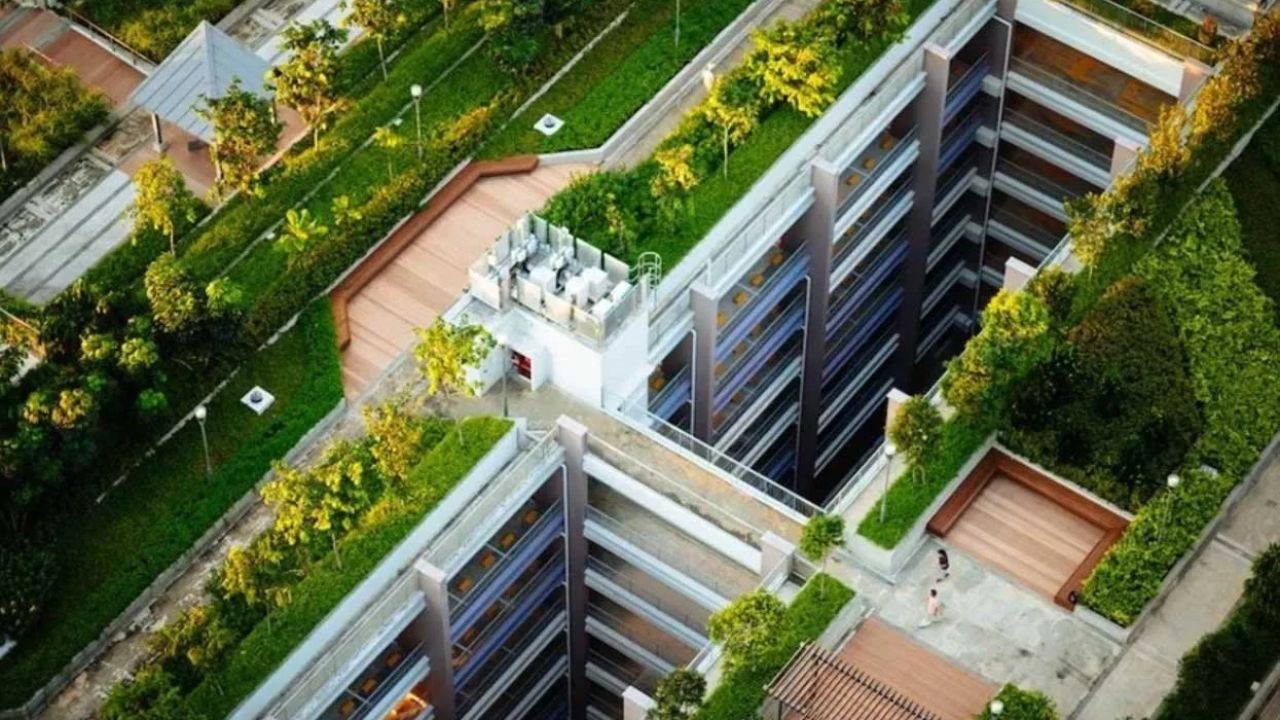
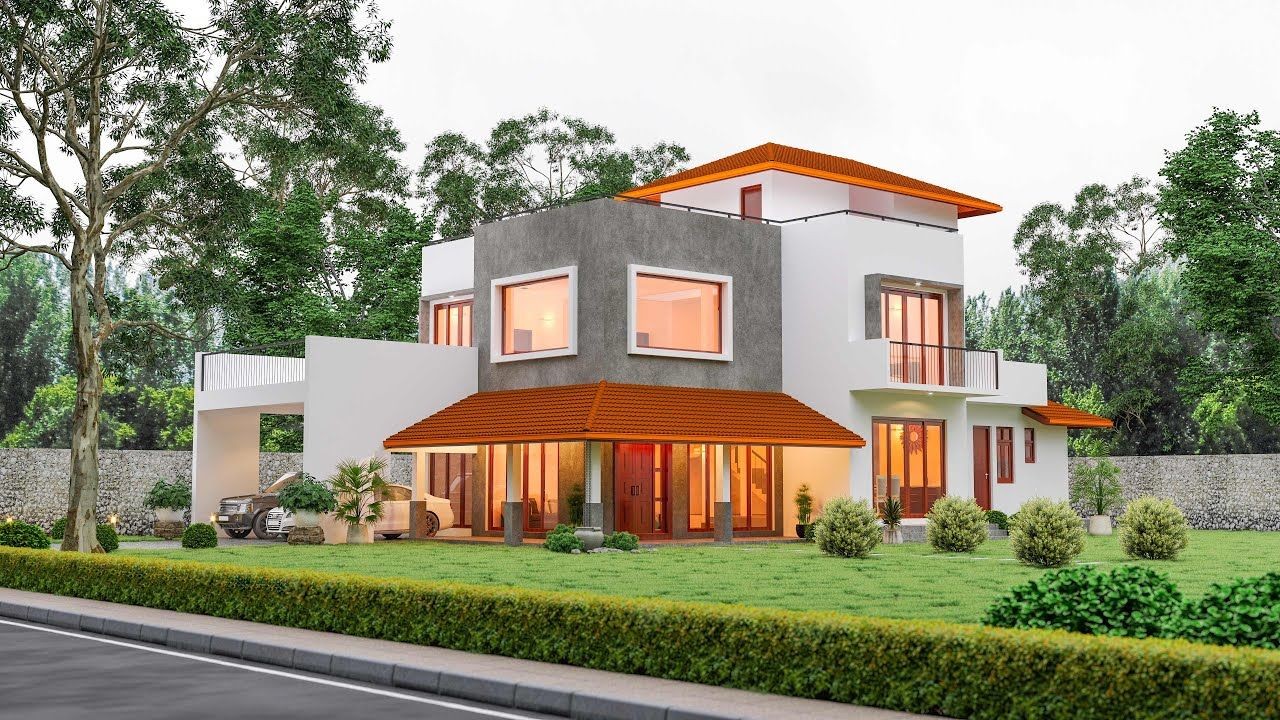
New Zealand is embracing a green revolution, particularly in its real estate sector. As eco-friendly building practices gain momentum, the demand for sustainable housing has surged, driven by a growing awareness of climate change and governmental support for green initiatives. This transition is not just beneficial for the environment but also presents lucrative opportunities for investors and commercial real estate brokers. With New Zealand’s commitment to achieving net-zero carbon emissions by 2050, understanding the trends in sustainable housing is crucial for stakeholders in the real estate market. According to Stats NZ, the construction of new homes with eco-friendly features has increased by 30% over the past five years, signaling a shift in consumer preferences and industry practices.
**Future Forecast & Trends**
**Eco-Friendly Building: A New Standard**
The trend of eco-friendly building in New Zealand is not just a fleeting phase but a new standard. With the government’s support through policies like the Building for Climate Change programme, which aims to reduce carbon emissions from construction, the industry is poised for substantial growth. This program encourages the use of sustainable materials and energy-efficient designs, making green buildings more accessible and affordable. As per the Ministry of Business, Innovation and Employment (MBIE), the number of building consents for homes with sustainable features increased by 25% in 2023 alone.
**Technological Innovations Leading the Way**
Technological advancements are pivotal in driving the eco-friendly building sector forward. From solar panels to smart home systems that optimize energy use, technology is making sustainable living more viable. Moreover, companies are investing in research and development to create innovative materials like hempcrete and cross-laminated timber, which offer both sustainability and durability. These advancements not only reduce the environmental impact of buildings but also enhance their marketability, offering a competitive edge to real estate agents and developers.
**Debate & Contrasting Views**
While the benefits of eco-friendly buildings are evident, there are differing opinions on the pace of adoption and its economic impact. Advocates argue that sustainable buildings reduce long-term operational costs and increase property value. However, critics highlight the higher initial investment costs and the slow return on investment as significant barriers. Despite these concerns, the long-term savings on energy bills and the increasing demand for sustainable living spaces are compelling arguments for embracing green building practices.
**Balancing Costs and Benefits**
The debate often centers around the cost-benefit analysis of sustainable buildings. Proponents emphasize that while initial costs are higher, the long-term savings and environmental benefits outweigh these expenses. On the other hand, skeptics point out that the upfront costs can be prohibitive for some developers and homeowners. To address this, government incentives and subsidies play a crucial role in offsetting these costs, making eco-friendly options more accessible.
**Expert Opinion & Thought Leadership**
Industry experts, like Zane Wilson, a Property Investment Lecturer, insist that the future of real estate lies in sustainability. Wilson argues that the growing consumer preference for eco-friendly homes is not just a trend but a fundamental shift in the market. He highlights the importance of educating both developers and buyers about the benefits of sustainable buildings, stating, “In the next decade, homes that fail to meet sustainability criteria will struggle to compete in the market.”
**Real-World Case Study: The Hobsonville Point Development**
**Problem:** The Hobsonville Point development in Auckland faced challenges in meeting sustainability goals while keeping housing affordable. Traditional building methods were not aligning with the community's eco-friendly objectives.
**Action:** The developers implemented a range of sustainable practices, including solar energy systems, rainwater harvesting, and the use of recycled materials. They also incorporated efficient community transport options to reduce carbon emissions.
**Result:** The development saw a 40% reduction in carbon emissions compared to conventional projects. Additionally, homes in Hobsonville Point sold at a 15% premium, reflecting the market's willingness to invest in sustainability.
**Takeaway:** The success of Hobsonville Point demonstrates how sustainable practices can enhance property value and meet consumer demand. For New Zealand’s real estate developers, this case study serves as a blueprint for future projects.
**Common Myths & Mistakes**
**Myth:** Eco-friendly buildings do not offer significant financial returns.
**Reality:** Contrary to this belief, sustainable buildings often yield higher returns due to reduced energy costs and increased property value. A study by the New Zealand Green Building Council found that green-certified buildings achieve 5-10% higher rental rates.
**Myth:** Sustainable materials are too expensive to use widely.
**Reality:** While the initial cost can be higher, the long-term savings from lower energy bills and maintenance costs make sustainable materials a cost-effective choice. Government incentives further alleviate the financial burden.
**Future Trends & Predictions**
Looking ahead, the future of eco-friendly building in New Zealand is promising. According to a report by Deloitte, the market for sustainable buildings is expected to grow by 20% annually over the next five years. This growth is driven by technological advancements, government policies, and an increasing consumer demand for sustainable living options. As the industry evolves, stakeholders must stay informed and adapt to these changes to capitalize on emerging opportunities.
**Conclusion**
The shift towards eco-friendly building practices in New Zealand is reshaping the real estate landscape, offering both challenges and opportunities for industry stakeholders. By understanding and embracing these trends, commercial real estate brokers can play a pivotal role in driving the market towards a more sustainable future. With government support and consumer demand on the rise, the time is ripe to invest in green building practices. As the industry continues to evolve, staying informed and adaptable will be key to success.
**Call to Action:**
If you're a real estate professional looking to gain a competitive edge, consider integrating sustainable building practices into your portfolio. Join our newsletter for more insights and updates on the latest trends in New Zealand's real estate market.
**People Also Ask (FAQ)**
- How does eco-friendly building impact property value in New Zealand? Eco-friendly buildings in New Zealand typically see a 5-10% increase in property value due to their sustainable features, appealing to environmentally-conscious buyers (Source: NZ Green Building Council).
- What are the biggest misconceptions about eco-friendly buildings? A common myth is that they are too costly to build. However, long-term savings on energy bills and increased property value often outweigh initial costs (Source: NZ Green Building Council).
- What are the best strategies for implementing eco-friendly building practices? Experts recommend starting with energy-efficient designs, using sustainable materials, and taking advantage of government incentives to offset costs.
**Related Search Queries**
- Sustainable housing trends New Zealand
- Eco-friendly building materials NZ
- Green building incentives NZ
- Energy-efficient homes NZ
- Sustainable construction practices NZ
For the full context and strategies on Eco-Friendly Building Videos: How NZ Homes Are Going Sustainable, see our main guide: Trades Services Educational Guides Nz.