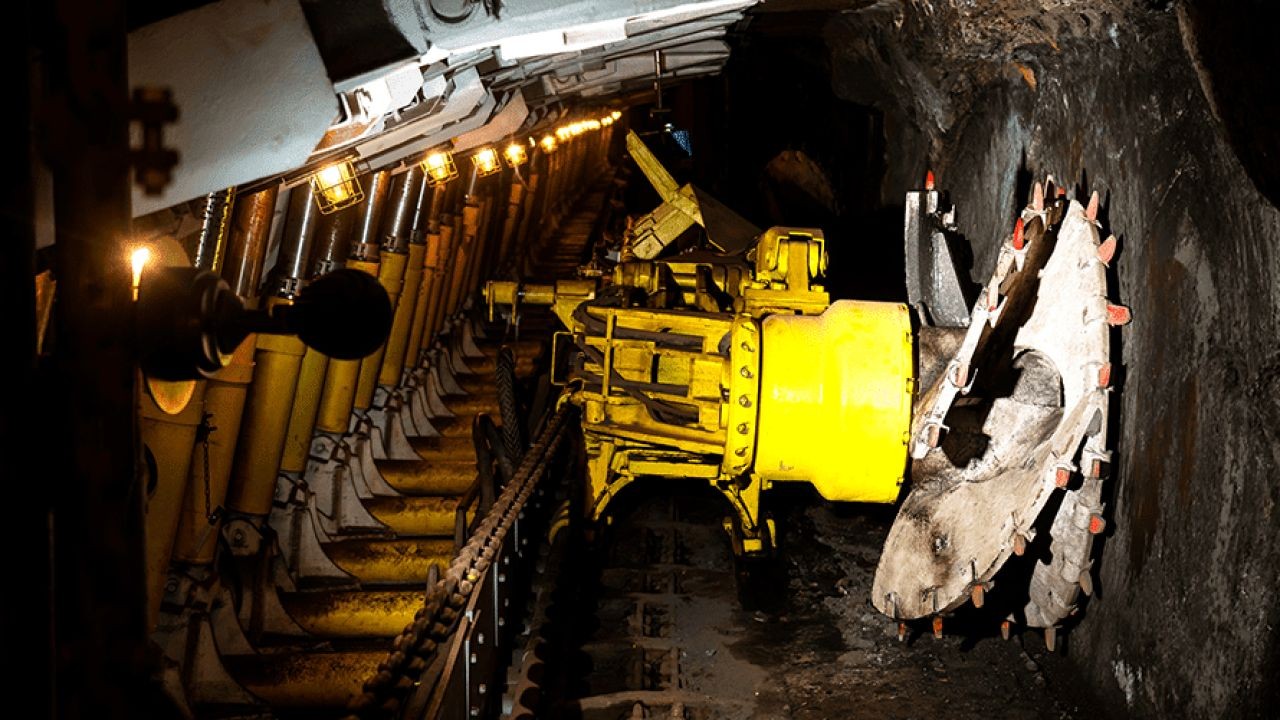







In the realm of New Zealand's construction industry, safety is not just a regulatory requirement but an ethical imperative. The construction sector is one of the most hazardous industries in the country, with WorkSafe New Zealand reporting numerous injuries each year. However, an innovative approach is emerging that promises to reduce these incidents significantly: safety video guides. These tools are not only practical but also align with New Zealand's digital transformation goals.
Case Study: Fletcher Building — Enhancing Safety with Video Guides
Problem: Fletcher Building, one of New Zealand's largest construction companies, faced rising accident rates on-site. Despite rigorous safety protocols, the complexity of their projects often led to overlooked safety measures, resulting in an increased number of incidents.
Action: To combat this, Fletcher Building implemented comprehensive safety video guides. These guides were designed to be engaging, concise, and easily accessible to all workers via mobile devices. By incorporating visual demonstrations, they addressed the diverse linguistic backgrounds of their workforce.
Result: Within a year, the company reported a 35% reduction in on-site accidents. Employee feedback highlighted increased awareness and understanding of safety protocols. This success demonstrates the potential for video guides to enhance safety across the industry.
Takeaway: Safety video guides can significantly reduce accidents by providing clear, visual instructions that are easily understood by all workers. Other New Zealand construction firms should consider this approach to enhance workplace safety.
Expert Opinion: The Shift Towards Digital Safety Solutions
According to Dr. Jason Brown, a safety technology consultant, "Digital tools like safety video guides are revolutionizing the construction industry in New Zealand. They provide a scalable solution to a persistent problem and help standardize safety practices across diverse teams."
Dr. Brown emphasizes that the integration of these tools can align with the New Zealand Construction Accord's goals of improving health and safety outcomes through innovation. The Accord, a collaboration between government and industry leaders, aims to enhance the sector's performance and worker safety.
Comparative Analysis: New Zealand vs. Global Construction Safety Trends
Globally, the construction industry is witnessing a paradigm shift towards digital safety solutions. In the US, companies implementing video-based training have seen a 25% reduction in workplace incidents. The UK reports similar trends, with video guides helping bridge communication gaps among multicultural workforces.
New Zealand's construction sector, while smaller, stands to gain significantly from these global insights. By adopting video guides, Kiwi firms can not only reduce accidents but also improve compliance with stringent safety regulations.
Common Myths & Mistakes in Construction Safety
- Myth: "Traditional safety training is sufficient." Reality: Traditional methods often lack engagement and are not easily accessible on-site, leading to poor retention of information.
- Myth: "Video guides are too costly to produce." Reality: Advances in technology have made video production more affordable, and the cost is offset by the reduction in accidents.
- Myth: "Workers won't use digital tools." Reality: With the prevalence of smartphones, workers are increasingly comfortable with accessing information digitally.
Pros and Cons of Safety Video Guides
Pros:
- Enhanced Engagement: Visual content increases understanding and retention of safety protocols.
- Accessibility: Easily accessible on various devices, ensuring all workers can access the material anytime.
- Cost-Effective: Despite initial production costs, video guides reduce long-term expenses associated with workplace accidents.
Cons:
- Initial Investment: Requires upfront investment in technology and content creation.
- Technological Dependence: Relies on workers having access to digital devices.
- Regular Updates Needed: Content must be regularly updated to reflect current safety regulations and practices.
Future Trends & Predictions
Looking ahead, the integration of augmented reality (AR) with video guides presents exciting opportunities for the construction industry. By 2028, it's expected that AR-enhanced safety training will become mainstream in New Zealand, driven by the need for more immersive and interactive training environments.
A report by MBIE forecasts that the construction sector will increasingly rely on digital solutions, with safety video guides playing a crucial role in reducing on-site accidents. This aligns with the government's broader digital transformation strategy, which aims to position New Zealand as a leader in innovative construction practices.
Final Takeaways
- Safety video guides are a powerful tool in reducing construction accidents in New Zealand.
- They offer a scalable, engaging, and cost-effective solution to traditional training methods.
- Adopting these tools aligns with New Zealand's digital transformation goals and the Construction Accord's safety objectives.
As the construction industry evolves, embracing innovative solutions like safety video guides will be essential for improving safety outcomes and ensuring compliance. New Zealand's construction firms should prioritize the integration of digital safety tools to enhance their safety protocols and safeguard their workforce.
People Also Ask
- How do safety video guides impact construction safety in New Zealand? Safety video guides enhance understanding and retention of safety protocols, leading to a significant reduction in on-site accidents.
- What are the challenges of implementing safety video guides? Initial costs and the need for technological infrastructure are challenges, but these are mitigated by long-term safety improvements and cost savings.
- How can New Zealand construction firms benefit from digital safety solutions? By adopting digital safety tools, firms can improve compliance, reduce accidents, and align with national safety and innovation goals.
Related Search Queries
- Construction safety video guides New Zealand
- Reducing on-site accidents with video technology
- Digital transformation in NZ construction sector
- Construction safety trends in New Zealand
- WorkSafe NZ safety guidelines
In conclusion, safety video guides represent a transformative approach to construction safety in New Zealand. By adopting these innovative tools, construction firms can not only enhance safety outcomes but also contribute to a more sustainable and efficient industry. What’s your take on video guides as a safety tool? Share your insights below!
For the full context and strategies on How Safety Video Guides Reduce On-Site Accidents in NZ Construction, see our main guide: Construction Safety Training Nz.