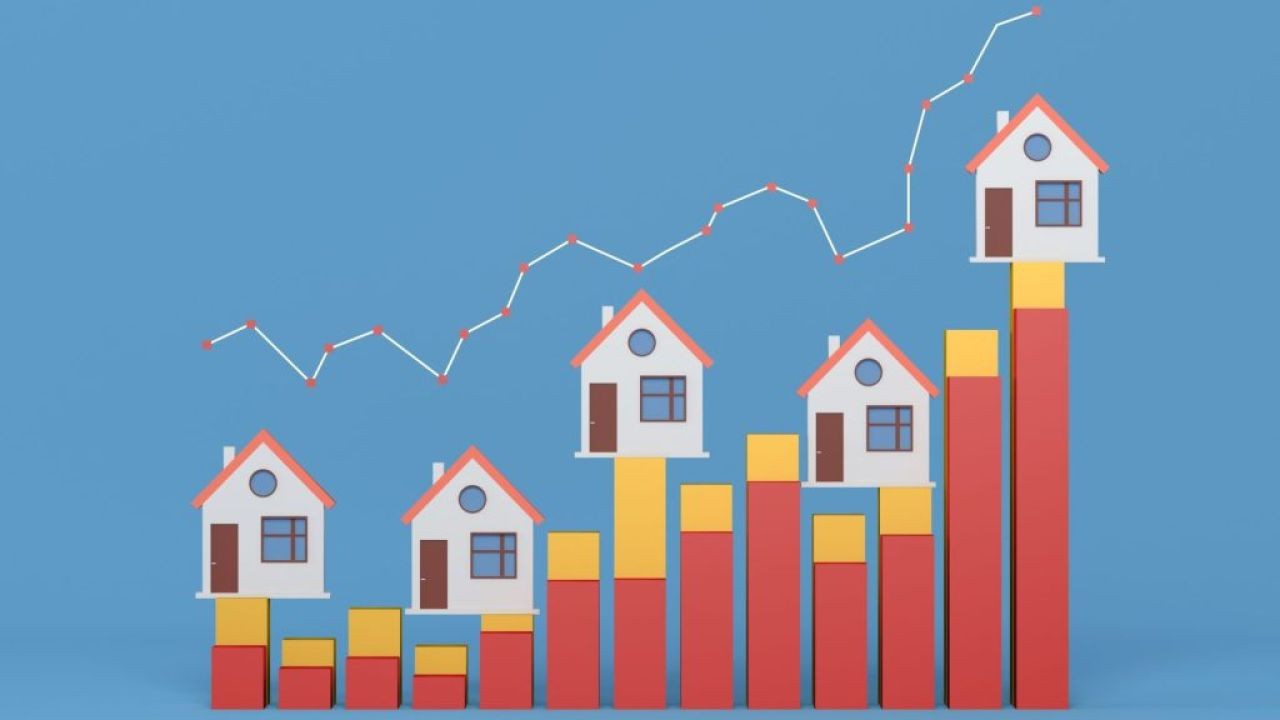






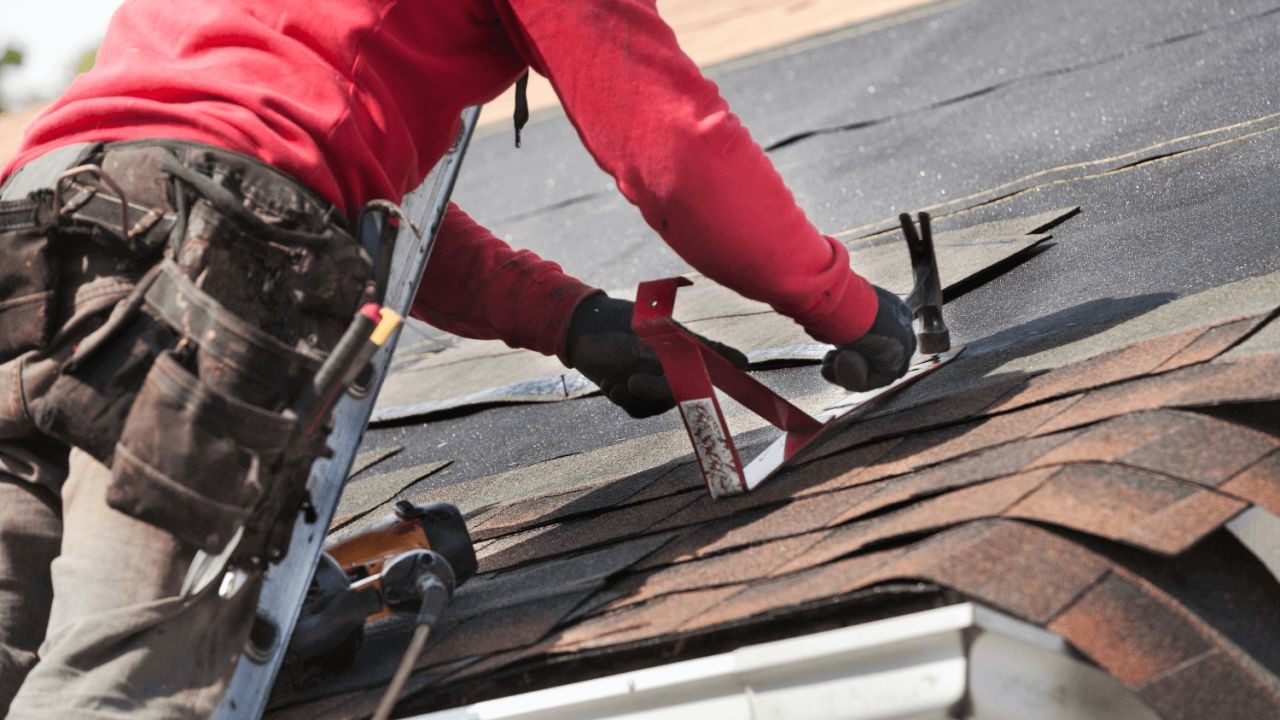
In the picturesque landscapes of New Zealand, where homes are as varied as the terrains, maintaining a sturdy roof is crucial. Yet, many homeowners overlook the importance of regular roof maintenance until it's too late. With climate change bringing unpredictable weather patterns, and with New Zealand's construction industry projected to grow by 3.2% annually over the next five years (Stats NZ), the demand for roof repair and replacement is on the rise. This article delves into the strategic considerations, local insights, and expert advice necessary for New Zealand homeowners to navigate roof repair and replacement effectively.
Future Forecast & Trends in New Zealand's Roofing Industry
The roofing sector in New Zealand is undergoing significant transformation driven by advancements in technology and shifting consumer preferences. With the government’s push towards sustainable building practices, as evidenced by the Building for Climate Change programme initiated by the Ministry of Business, Innovation, and Employment (MBIE), there is an increased focus on eco-friendly roofing materials. Photovoltaic roofing tiles, for instance, are gaining traction as they align with New Zealand's commitment to reduce carbon emissions by 2030.
Moreover, according to a report by the Reserve Bank of New Zealand, the construction industry’s contribution to GDP is expected to increase, partly due to the rising demand for renovation and repair services. This trend indicates a burgeoning market for roofing professionals equipped with the latest techniques and materials.
Debate & Contrasting Views on Roofing Materials
Choosing the right roofing material is a contentious topic among industry experts. On one hand, advocates for traditional materials, such as asphalt shingles, argue that they offer durability and are cost-effective. On the other hand, proponents of innovative materials like metal and synthetic tiles highlight their longevity and environmental benefits.
Advocate View: Traditional materials have a proven track record in New Zealand's diverse climate, providing a balance between cost and performance.
Critic View: Modern materials, though initially more expensive, provide long-term savings through reduced maintenance and energy efficiency. A study by the University of Auckland found that metal roofs can lower heating and cooling costs by up to 20% annually.
Middle Ground: A hybrid approach, utilizing a mix of traditional and modern materials, tailored to specific house designs and local climates, could offer the best of both worlds.
Expert Opinion & Thought Leadership
Andrew Thompson, a leading roofing consultant in New Zealand, emphasizes the importance of regular inspections and preventive maintenance. "In my experience, homeowners often underestimate the impact of minor roof damage until it escalates. A proactive approach not only extends the life of a roof but also saves considerable costs in the long run," he explains.
Thompson also highlights the role of technology in modern roofing solutions. "Drone technology and AI-powered inspections are revolutionizing the way we assess roof conditions, providing more accurate and timely data," he adds. This technological integration is particularly relevant in remote areas of New Zealand, where access can be challenging.
Real-World Case Studies
Case Study: Auckland Residential Community – Eco-Friendly Roof Replacement
Problem: A residential community in Auckland faced frequent leaks and high energy bills due to outdated roofing systems.
Action: The community opted for a complete roof replacement using solar roof tiles and sustainably sourced materials. This decision was guided by a partnership with local green building experts.
Result: Within a year, the community reported a 30% reduction in energy costs and improved property values.
Takeaway: Investing in sustainable roofing solutions can yield significant economic and environmental benefits, proving crucial in areas with fluctuating energy prices.
Data-Driven Analysis
According to a report by the New Zealand Institute of Building, the demand for roofing professionals is expected to increase by 15% over the next decade. This growth is partly due to the aging housing stock, with over 40% of New Zealand homes being over 50 years old. Additionally, Stats NZ highlights that roofing repairs accounted for 25% of all home maintenance expenditures in 2023, emphasizing the economic importance of this sector.
Common Myths & Mistakes
Myth vs. Reality
- Myth: "A roof only needs attention when it leaks." Reality: Regular maintenance can prevent leaks and extend the roof's lifespan by up to 30% (MBIE report, 2024).
- Myth: "All roofing materials are equally durable." Reality: Metal and synthetic materials can last twice as long as traditional shingles, according to the Roofing Association of New Zealand.
- Myth: "DIY repairs are cost-effective." Reality: Improper repairs can lead to greater expenses. Professional inspections are recommended for accurate assessments.
Biggest Mistakes to Avoid
- Lack of Regular Inspections: A study by BRANZ found that 60% of roof damage could be mitigated with regular inspections.
- Ignoring Small Damages: Small issues often lead to significant problems if left unattended, costing homeowners thrice the initial repair cost.
- Choosing Price Over Quality: Lower upfront costs often equate to higher long-term expenses due to frequent repairs and replacements.
Future Trends & Predictions
Looking ahead, the roofing industry in New Zealand is poised for significant innovations. According to a Deloitte report, by 2028, 50% of all new roofs will incorporate smart technologies, such as weather-responsive systems, enhancing energy efficiency and durability. Moreover, the integration of AI and machine learning in predictive maintenance will become standard practice, reducing repair costs and improving safety.
Conclusion
As New Zealand continues to prioritize sustainability and innovation in construction, homeowners must adopt a strategic approach to roof management. By integrating advanced materials, leveraging technology, and adhering to regular maintenance, they can enhance the longevity and efficiency of their roofs.
Final Takeaway & Call to Action: Embrace the future of roofing by investing in sustainable materials and regular inspections. To stay updated on the latest industry trends and strategies, subscribe to our newsletter. What steps are you taking to future-proof your home?
People Also Ask (FAQ)
- What are the most durable roofing materials for New Zealand homes? Metal and synthetic tiles are considered highly durable, with a lifespan of over 50 years, making them ideal for New Zealand's varied climate.
- How often should roofs be inspected in New Zealand? Experts recommend bi-annual inspections to catch potential issues early and ensure the roof's longevity.
- What are the best strategies for implementing eco-friendly roofing? Start by using sustainable materials like solar tiles, ensure proper insulation, and conduct regular maintenance to maximize benefits.
Related Search Queries
- Best roofing materials for New Zealand homes
- Eco-friendly roofing solutions in NZ
- Roof maintenance tips for New Zealand climate
- Impact of climate change on NZ roofing industry
- Advanced roofing technologies in New Zealand
- Cost-effective roofing solutions in NZ
- New roof installation costs in New Zealand
- NZ roofing industry trends 2025
- Sustainable building practices in New Zealand
- Roof inspection services in NZ
For the full context and strategies on Roof Repair and Replacement Tips for New Zealand Homes, see our main guide: Trades Services Educational Guides Nz.