



Unlocking the Potential of Window Replacement and Double Glazing in New Zealand Homes
Imagine a home where the ambient temperature remains constant throughout the year, energy bills are significantly reduced, and noise pollution is a distant memory. For many New Zealand homeowners, this dream becomes reality through the strategic implementation of window replacement and double glazing. As the nation's housing market continues to evolve, the significance of these upgrades cannot be overstated. With New Zealand's unique climate and burgeoning emphasis on sustainability, understanding the intricacies of window replacement and double glazing is crucial for future-proofing homes.
Step-by-Step Guide to Window Replacement and Double Glazing
1. Assessing the Need for Window Replacement
Before diving into the world of window upgrades, it is essential to evaluate the existing condition of your windows. Look for signs of damage such as drafts, condensation, or visible wear and tear. According to a report by Stats NZ, nearly 40% of energy loss in homes is attributed to inefficient windows, underscoring the importance of timely replacement.
2. Choosing the Right Type of Glazing
Double glazing is a popular choice among New Zealand homeowners due to its insulation properties. It comprises two panes of glass with a gap in between, which acts as an insulator. Recent studies indicate that homes with double glazing can reduce heat loss by up to 50%, significantly impacting energy efficiency. For those seeking additional thermal performance, triple glazing is an option, albeit at a higher cost.
3. Selecting the Appropriate Frame Material
Your choice of window frame material is pivotal in determining the longevity and efficiency of your new windows. Options include:
- Aluminium: Lightweight and durable, ideal for modern aesthetics.
- uPVC: Known for energy efficiency and low maintenance.
- Timber: Offers a classic look, though requires regular maintenance.
Each material has its pros and cons, which should be weighed against factors such as climate, budget, and home design.
4. Installation Considerations
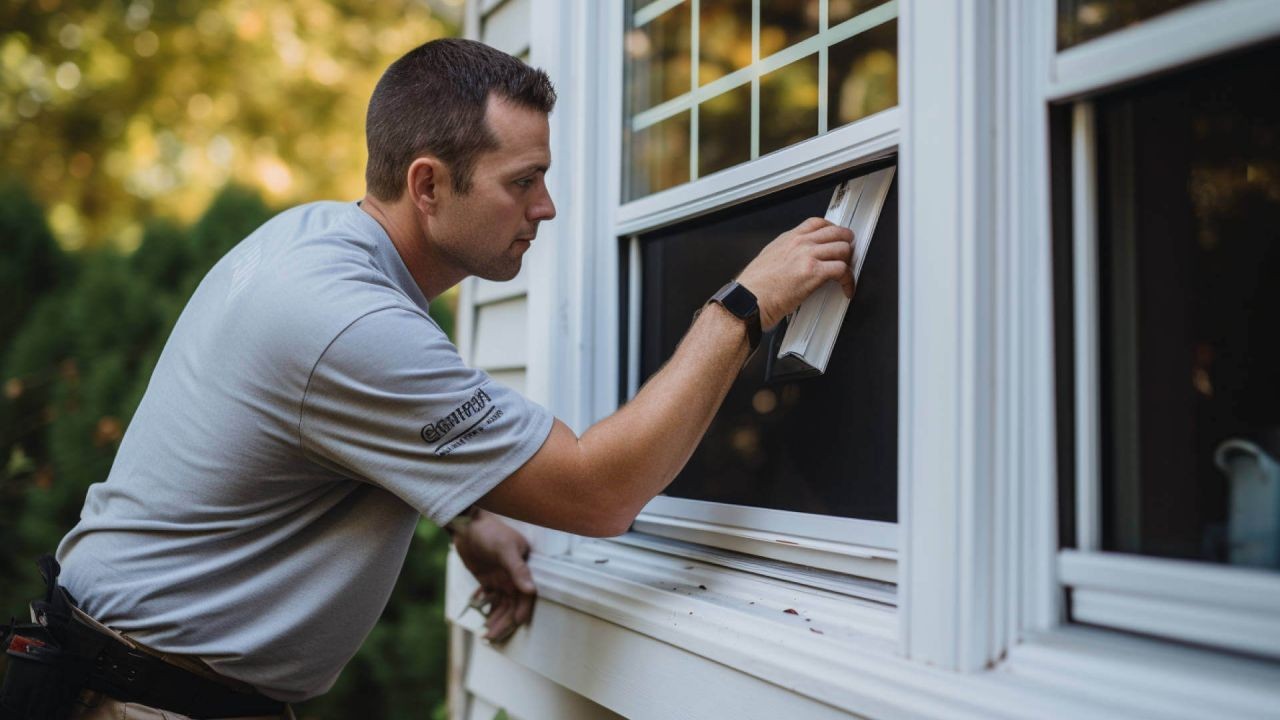
Professional installation is crucial to maximizing the benefits of window replacement. Ensure that the installer is familiar with local building codes and standards. According to MBIE guidelines, proper sealing and fitting are essential to prevent air leaks and moisture entry.
Future Forecast & Trends in Window Replacement
As New Zealand moves towards a more sustainable future, the demand for energy-efficient home improvements is expected to rise. The Reserve Bank of New Zealand forecasts a steady increase in home renovation activities, driven by government incentives and consumer awareness. By 2026, it is predicted that over 70% of new homes will incorporate energy-efficient glazing solutions.
Emerging technologies such as smart glass, which adjusts its transparency based on environmental conditions, are also gaining traction. This innovation not only enhances energy efficiency but also provides privacy and security benefits. Industry experts predict that smart glass could become a standard feature in new builds within the next decade.
Case Study: Eco-Friendly Homes in Wellington
In Wellington, a city known for its commitment to sustainability, a recent initiative saw a group of homeowners collectively invest in window replacement and double glazing. The project aimed to reduce carbon footprints and enhance living comfort.
Problem: Many homes in the area were suffering from high energy costs and poor insulation.
Action: Homeowners opted for double-glazed uPVC windows, which offered superior thermal performance. The installation was carried out by a local company adhering to MBIE standards.
Result: Post-installation, residents reported an average energy savings of 30% and a noticeable reduction in noise pollution. The initiative also sparked a community-wide interest in sustainable home improvements.
Takeaway: This case study underscores the effectiveness of well-planned window upgrades in achieving energy efficiency and enhancing living conditions. It serves as a model for other regions in New Zealand looking to embrace sustainable living practices.
Pros and Cons of Window Replacement and Double Glazing
✅ Pros:
- Energy Efficiency: Double glazing significantly reduces heat loss, leading to lower energy bills.
- Noise Reduction: Enhanced soundproofing creates a quieter indoor environment.
- Increased Property Value: Modern, energy-efficient windows are a selling point for potential buyers.
- Environmental Impact: Reducing energy consumption contributes to lower carbon emissions.
❌ Cons:
- Initial Cost: The upfront investment can be substantial, particularly for larger homes.
- Installation Challenges: Improper installation can negate the benefits of new windows.
- Maintenance: Certain frame materials, like timber, require regular upkeep.
Common Myths & Mistakes in Window Replacement
Myth: "Double glazing is only necessary in colder climates." Reality: Even in New Zealand's temperate regions, double glazing provides year-round benefits by maintaining indoor temperatures and reducing energy costs.
Myth: "All double glazing is the same." Reality: Quality varies significantly between manufacturers. It is crucial to choose products that meet local standards and offer warranties.
Myth: "DIY installation is a cost-effective solution." Reality: Professional installation ensures compliance with building codes and maximizes the lifespan and performance of the windows.
Future Trends & Predictions for NZ Homes
The future of window replacement and double glazing in New Zealand is poised for growth. As the government continues to promote sustainable building practices, homeowners are expected to adopt energy-efficient solutions at an unprecedented rate. By 2030, it is projected that smart window technologies will be integrated into 50% of new homes, providing dynamic solutions for climate control and energy management.
With increasing consumer awareness and technological advancements, the window replacement industry is set to play a pivotal role in New Zealand's journey towards a more sustainable and energy-efficient future.
Conclusion: Taking the Next Step
Investing in window replacement and double glazing is more than just an aesthetic upgrade; it is a strategic move towards sustainability and energy efficiency. As New Zealand continues to embrace eco-friendly solutions, homeowners must prioritize these upgrades to future-proof their properties. Whether you're planning a renovation or building a new home, consider the long-term benefits of high-quality glazing solutions.
Ready to enhance your home? Start by consulting with a local expert to explore your options and make informed decisions. Share your thoughts or experiences with window upgrades in the comments below!
People Also Ask (FAQ)
How does double glazing impact energy efficiency in New Zealand homes? Double glazing significantly reduces heat loss, leading to energy savings of up to 50%, according to Stats NZ. This makes it an essential upgrade for enhancing home efficiency.
What are the biggest misconceptions about window replacement? One common myth is that double glazing is only needed in cold climates. However, it offers year-round benefits in maintaining indoor temperatures and reducing energy costs, as confirmed by MBIE.
What upcoming changes in New Zealand could affect window replacement? By 2026, policy updates promoting sustainable housing practices could further encourage the adoption of energy-efficient window solutions, enhancing the overall housing market landscape.
Related Search Queries
- Energy-efficient windows NZ
- Double glazing benefits
- Window replacement cost NZ
- Sustainable home improvements NZ
- Smart window technology
- uPVC windows vs aluminum
- Noise reduction windows NZ
- Home insulation solutions NZ
- Future of housing in NZ
- Window installation best practices
For the full context and strategies on Window Replacement and Double Glazing for New Zealand Homes, see our main guide: Tradie Video Marketing Social Media Nz.