






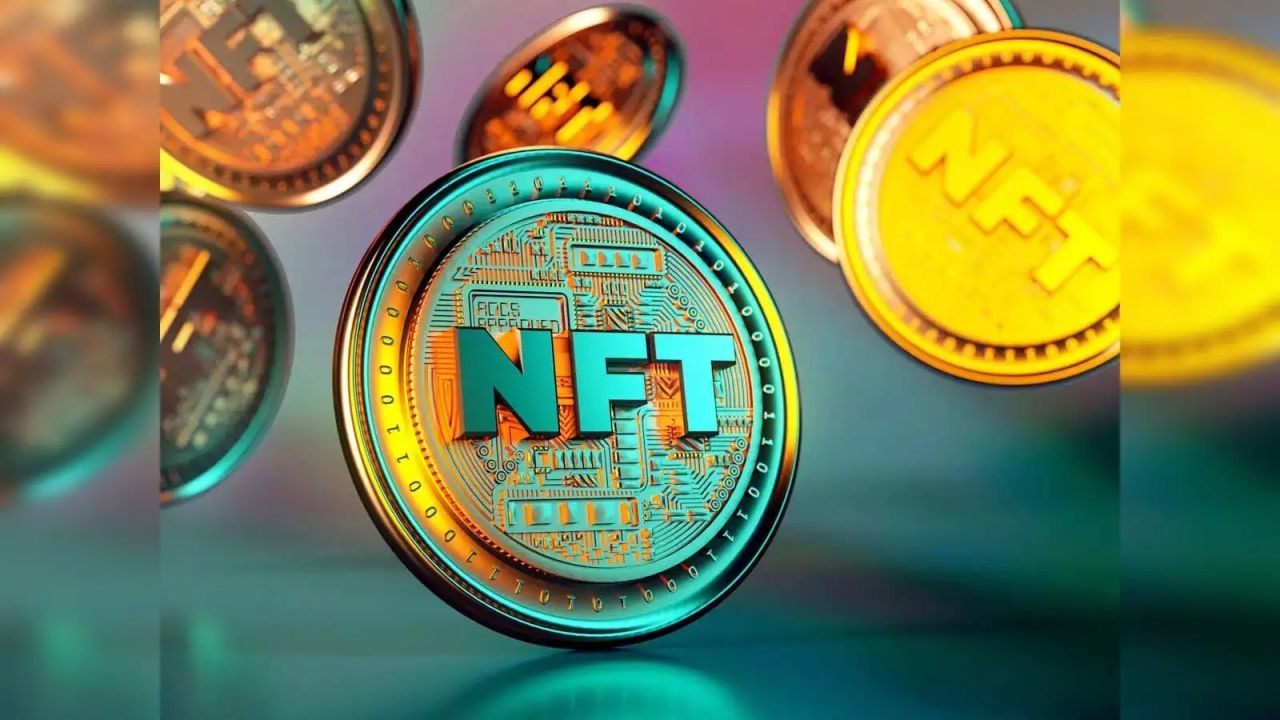
In recent years, Non-Fungible Tokens (NFTs) have taken the digital world by storm, capturing the attention of investors and creators alike. As New Zealand thrives in its digital transformation journey, the question arises: are NFTs a worthwhile investment for Kiwis? With the global NFT market projected to grow significantly, understanding their potential impact on New Zealand's economy and environment is crucial.
The Rise of NFTs: A Digital Revolution
NFTs are digital assets that represent ownership of unique items or content, stored on a blockchain. Unlike cryptocurrencies such as Bitcoin or Ethereum, which are interchangeable, NFTs are unique and cannot be exchanged on a one-to-one basis. This uniqueness is what gives NFTs their value, making them appealing to collectors, artists, and investors.
Globally, the NFT market has exploded, with sales hitting over $24 billion in 2021 alone. This boom has not gone unnoticed in New Zealand, where digital innovation is rapidly growing. However, the environmental implications of NFTs, due to their reliance on energy-intensive blockchain technology, present a significant challenge.
Environmental Impact: A Key Concern
New Zealand is renowned for its commitment to sustainability and environmental protection. As such, the energy consumption associated with NFTs raises concerns. The blockchain networks, particularly Ethereum, used to mint and trade NFTs, require substantial energy, contributing to carbon emissions.
According to Stats NZ, New Zealand aims to achieve net-zero carbon emissions by 2050, aligning with the Paris Agreement. The environmental impact of NFTs could potentially clash with these national goals. This makes it imperative for Kiwi investors to consider the sustainability of their digital investments.
Case Study: New Zealand's Digital Art Scene
New Zealand's digital art community is increasingly exploring NFTs as a new revenue stream. Artists like Jess Johnson have successfully entered the NFT market, transforming their digital creations into lucrative assets. Johnson's work, which blends technology and traditional art forms, has gained international recognition through NFTs.
This shift highlights the potential for NFTs to empower Kiwi artists, offering them a global platform and alternative income source. However, it also underscores the need for sustainable practices within the NFT ecosystem to align with New Zealand's environmental commitments.
Pros and Cons of NFT Investments
Pros:
- Unique Ownership: NFTs provide verifiable ownership of digital assets, enhancing their value and authenticity.
- Global Market Access: NFTs offer New Zealand creators and investors access to a global market, expanding opportunities beyond local boundaries.
- Innovation and Creativity: The NFT space encourages innovation, allowing artists and developers to explore new creative avenues.
Cons:
- Environmental Concerns: The energy consumption associated with blockchain technology raises sustainability issues.
- Market Volatility: The NFT market is highly speculative, with prices subject to rapid fluctuations.
- Regulatory Uncertainty: As a relatively new asset class, NFTs face potential regulatory challenges, particularly in terms of intellectual property rights and consumer protection.
Balancing Perspectives: Investor vs. Environmentalist
On one hand, investors are drawn to the potential for high returns and the novelty of owning unique digital assets. On the other hand, environmentalists express concerns about the carbon footprint of blockchain technology. A middle ground could be the adoption of more energy-efficient blockchain solutions, such as Ethereum's planned transition to a proof-of-stake model, which promises to significantly reduce energy consumption.
Future of NFTs in New Zealand
Looking ahead, the NFT market in New Zealand is poised for growth, driven by digital innovation and creative industries. However, sustainability will be a critical factor in determining its long-term viability. As blockchain technology evolves, more environmentally friendly solutions may emerge, aligning the benefits of NFTs with New Zealand's sustainability goals.
According to a report by the Ministry of Business, Innovation, and Employment, the digital economy is expected to contribute significantly to New Zealand's GDP by 2030. NFTs, as part of this digital transformation, could play a pivotal role, provided they evolve to meet environmental standards.
Final Takeaways & Call to Action
- Understand the Market: Before investing in NFTs, familiarize yourself with market trends and potential risks.
- Consider Sustainability: Choose NFT projects that align with eco-friendly practices and energy-efficient blockchain solutions.
- Stay Informed: Keep abreast of regulatory developments and technological advancements in the NFT space.
As NFTs continue to evolve, they offer exciting opportunities for innovation and investment. However, it is essential for Kiwi investors and creators to balance these opportunities with environmental responsibilities. What do you think? Are NFTs the future of digital investment in New Zealand? Share your thoughts and insights below!
People Also Ask (FAQ)
- How do NFTs impact New Zealand's economy?While NFTs offer new revenue streams for artists and collectors, their environmental footprint must be managed to align with New Zealand's sustainability goals.
- What are common misconceptions about NFTs?One myth is that NFTs are just digital art. In reality, they encompass a wide range of digital assets, including music, virtual real estate, and collectibles.
- What strategies should New Zealand investors adopt for NFTs?Investors should focus on projects with strong community support and sustainable practices, as well as diversify their digital portfolio.
Related Search Queries
- How to invest in NFTs in New Zealand
- Sustainability of blockchain technology in NZ
- Impact of NFTs on the New Zealand economy
- Environmental concerns of NFTs
- NFT artists in New Zealand
- Future of digital assets in NZ
- Blockchain energy consumption solutions





























R Theory Motorsports
4 months ago