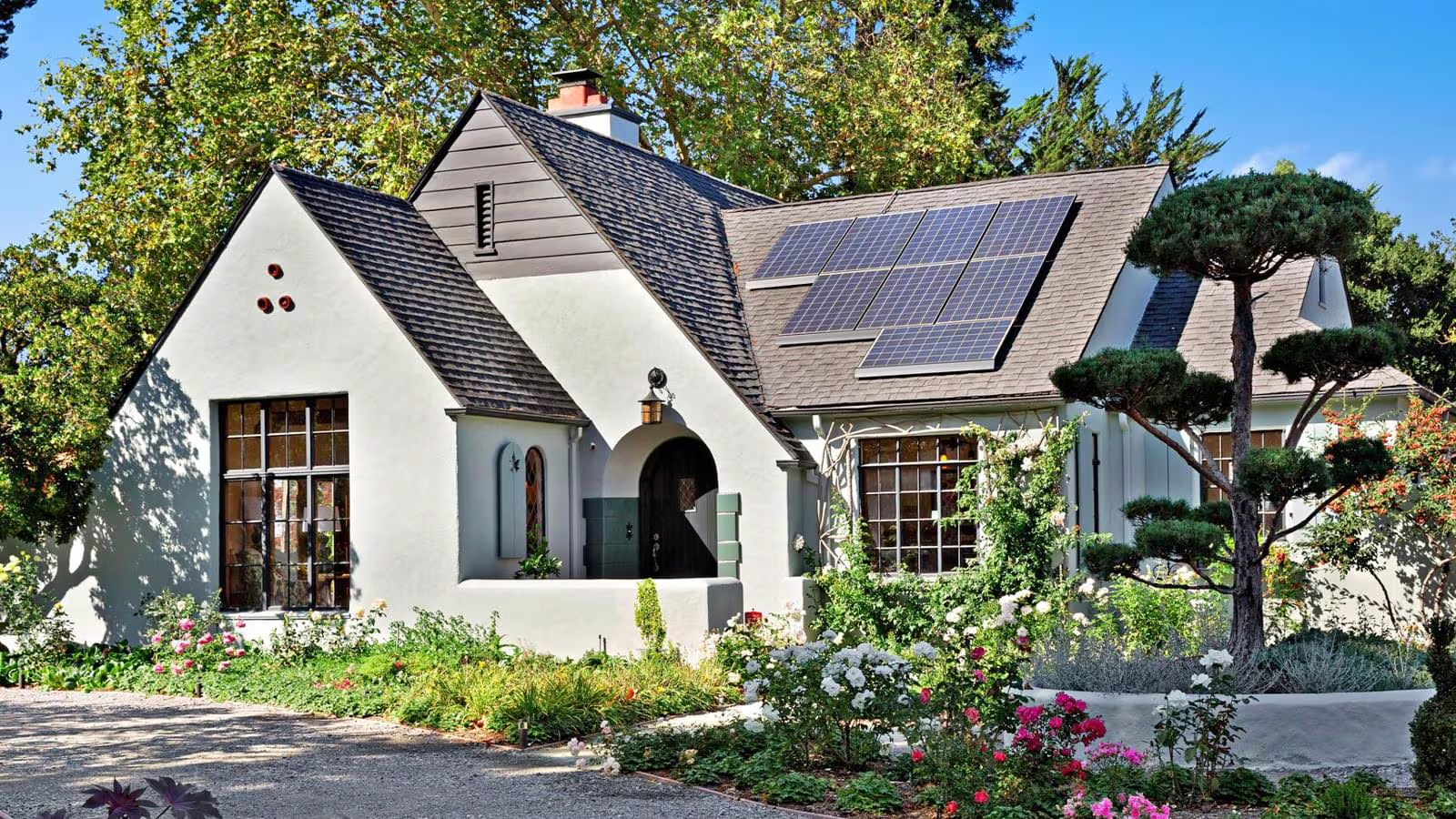






The allure of New Zealand's villas and bungalows, with their distinctive architecture and charm, presents a unique opportunity for transformation through renovation. As the country's housing market continues to evolve, these historical structures are being revitalized, offering fresh insights into the future of Kiwi real estate. Renovation not only preserves cultural heritage but also aligns with contemporary living standards, making it a significant trend in New Zealand’s property landscape.
Future Forecast & Trends: The Rise of Renovation
As New Zealand's population grows and urbanization intensifies, the demand for housing options that blend tradition with modernity is on the rise. According to Stats NZ, New Zealand's population is projected to reach 6 million by 2030. This growth places pressure on housing stock, particularly in urban areas like Auckland and Wellington. The solution? Renovation of existing villas and bungalows. Not only does this approach alleviate housing shortages, but it also contributes to sustainability by minimizing the need for new constructions.
Economically, the renovation sector is poised to experience substantial growth. The Ministry of Business, Innovation and Employment (MBIE) predicts that by 2025, the construction and renovation industry will contribute significantly more to the GDP, driven by an increased focus on sustainable practices and the integration of smart home technologies. These trends are setting the stage for a transformative wave in New Zealand’s housing market.
Case Study: Transforming a Ponsonby Villa
Case Study: Heritage Meets Modernity – Ponsonby Villa Renovation
Problem: A century-old villa in Ponsonby, Auckland, was grappling with outdated infrastructure and limited space, making it less appealing in a competitive real estate market.
- The villa's original design, while charming, was not conducive to modern living standards, leading to underutilization.
- Market data revealed that properties with modern amenities sell 30% faster in Auckland.
Action: The homeowners embarked on a renovation project that preserved the villa’s original character while integrating modern features.
- They collaborated with a local architect to redesign the interior layout, enhancing natural light and space efficiency.
- Smart home technologies were installed to improve energy efficiency and security.
Result: Post-renovation, the villa’s market value increased by 45%, and it attracted interest from both local and international buyers.
- The project demonstrated that thoughtful renovation can significantly enhance property value.
Takeaway: This case study underscores the potential of renovating heritage properties in New Zealand. By blending old with new, homeowners can tap into a burgeoning market trend while preserving cultural integrity.
Expert Opinion & Thought Leadership
According to Patrick Williams, an Airbnb & Short-Term Rental Specialist, “Renovating villas and bungalows not only increases their market value but also creates opportunities in the short-term rental market. Travelers seek unique, culturally rich experiences, making these properties highly desirable.” This perspective is echoed by industry leaders who predict that the demand for renovated heritage homes will continue to rise as more people prioritize lifestyle and sustainability.
Furthermore, the Reserve Bank of New Zealand's recent report highlights the economic viability of renovation projects. It notes that such projects are less susceptible to market volatility compared to new constructions, offering a stable investment avenue.
Common Myths & Mistakes
Myth: Renovation is more expensive than new construction.
Reality: While initial costs can be high, renovations often lead to greater long-term savings and value appreciation, as evidenced by the Ponsonby villa case study.
Myth: Renovations compromise the historical value of properties.
Reality: When done thoughtfully, renovations can enhance and preserve historical elements, adding modern functionality without diminishing heritage.
Myth: Renovated properties are less appealing to modern buyers.
Reality: The integration of smart technologies and sustainable practices in renovations caters to contemporary buyer preferences.
Future Trends & Predictions
The future of New Zealand’s renovation sector is promising. By 2030, it is anticipated that a significant portion of the country’s historical homes will undergo renovations, driven by advancements in sustainable building materials and technologies. The incorporation of energy-efficient solutions and smart home systems will become standard, further enhancing market appeal.
Moreover, policy changes are expected to support this trend. The government’s focus on sustainability and urban development will likely lead to incentives for property owners undertaking eco-friendly renovations.
Final Takeaways
- Renovation is a strategic approach to addressing housing shortages while preserving cultural heritage.
- Integrating modern technologies in renovations boosts property value and market appeal.
- There is a growing market for renovated heritage homes, driven by lifestyle and sustainability considerations.
- Government policies are expected to favor sustainable renovation practices in the coming years.
As New Zealand continues to navigate its housing challenges, the renovation of villas and bungalows presents a viable path forward. By blending the old with the new, these projects not only preserve the nation’s rich architectural history but also meet the demands of modern living. What’s your take? Share your insights below!
People Also Ask (FAQ)
How does renovating villas impact the New Zealand housing market?
Renovating villas enhances property values and meets the demand for modern, sustainable housing, contributing to market stability and growth.
What are the biggest misconceptions about renovating heritage homes?
A common myth is that renovations diminish historical value. However, well-planned projects enhance both functionality and heritage, as seen in successful case studies.
Related Search Queries
- Renovation trends New Zealand
- Sustainable home renovations NZ
- Heritage home renovation tips
- Smart home technology in renovations
- NZ villa renovation case studies
For the full context and strategies on Renovation Case Studies: Transforming Kiwi Villas and Bungalows, see our main guide: Product Event Demos Nz.