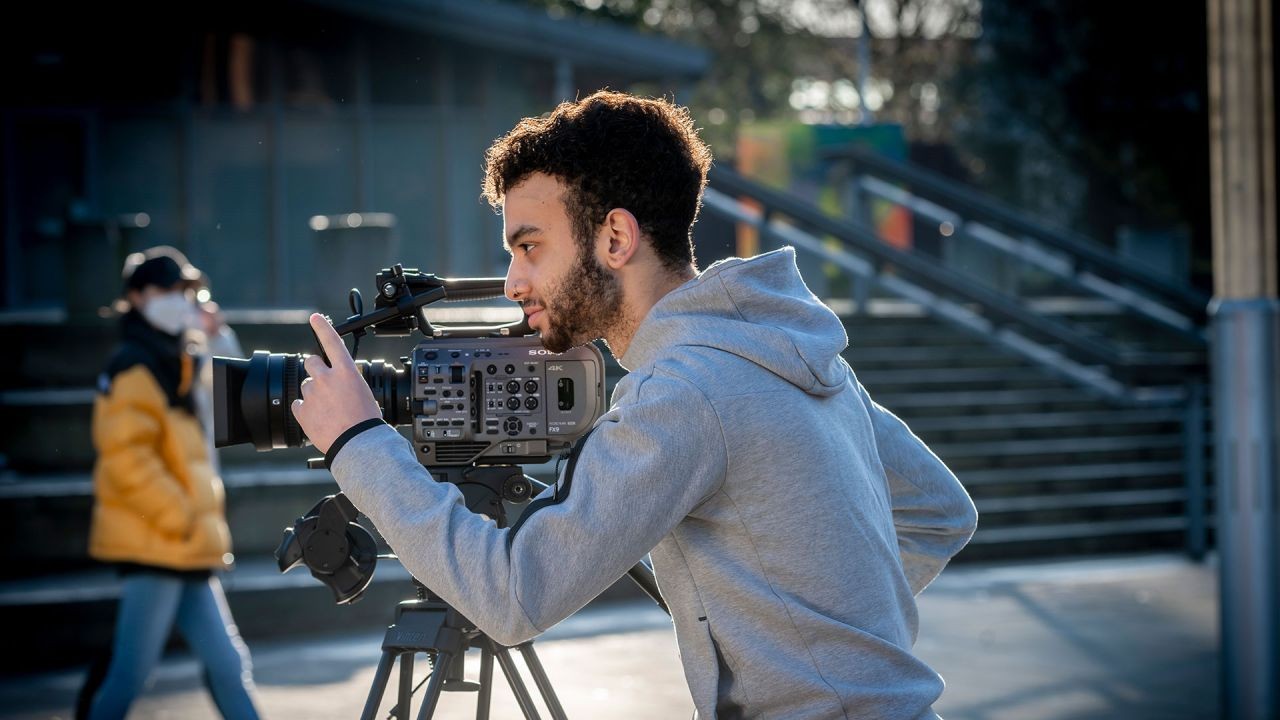





In today's digital age, retail product videos have become an indispensable tool for businesses looking to engage consumers on social media. In New Zealand, where e-commerce growth is projected to reach NZD 8.5 billion by 2025 (Stats NZ), producing effective retail videos is not just an option but a necessity. This article delves into the nuances of creating compelling retail product videos that perform exceptionally on social media, focusing on the unique context of New Zealand's market and consumer preferences.
Future Forecast & Trends
New Zealand's social media landscape is evolving rapidly, with platforms like Facebook, Instagram, and TikTok leading the charge. According to a 2023 report by the Ministry of Business, Innovation and Employment (MBIE), Kiwi consumers are increasingly turning to social media for product discovery, with 62% of online shoppers influenced by video content. This trend underscores the importance of creating engaging retail videos that capture attention and drive conversions.
Looking ahead, the integration of augmented reality (AR) and virtual reality (VR) in retail videos is expected to gain traction. AR and VR can provide an immersive shopping experience, allowing consumers to visualize products in real-world settings. As New Zealand's tech-savvy population continues to grow, businesses that adopt these technologies in their video marketing strategies are likely to see significant returns.
Debate & Contrasting Views
While the benefits of retail product videos are widely acknowledged, there is debate over the most effective approach to video production. Some industry experts advocate for high-production-value videos that showcase products in a polished and professional manner. They argue that such videos can enhance brand perception and drive higher engagement rates.
Contrarily, others believe that authentic, user-generated content resonates more with audiences, particularly on platforms like Instagram and TikTok. These advocates argue that relatable and genuine content fosters trust and encourages consumer interaction. A balanced approach that combines both high-quality production and authenticity might be the key to success.
Expert Opinion & Thought Leadership
Professor Liam Clarke, a leading expert in economic studies at the University of Auckland, highlights the critical role of data analytics in optimizing video performance. "Retailers must leverage analytics to understand consumer preferences and tailor their video content accordingly," says Clarke. "By analyzing metrics such as view duration, engagement rates, and conversion metrics, businesses can refine their strategies and maximize ROI."
Moreover, Clarke emphasizes the importance of understanding cultural nuances and local consumer behavior. "New Zealanders value authenticity and transparency. Retail videos that reflect these values are more likely to resonate with the Kiwi audience," he adds.
Real-World Case Studies
Case Study: Icebreaker – Engaging Through Storytelling
Problem: Icebreaker, a New Zealand-based outdoor clothing company, faced the challenge of differentiating itself in a crowded market. The company struggled to effectively communicate its brand story and the unique benefits of its merino wool products.
Action: To address this, Icebreaker launched a series of video campaigns focused on storytelling. The videos highlighted the journey of their wool, from farm to fabric, emphasizing the sustainability and quality of their products. Each video featured authentic narratives from farmers and customers.
Result: Within six months, Icebreaker experienced a 35% increase in social media engagement and a 20% boost in online sales. The storytelling approach not only enhanced brand loyalty but also attracted environmentally conscious consumers.
Takeaway: This case study demonstrates the power of storytelling in retail videos. New Zealand businesses can leverage authentic narratives to connect with consumers on a deeper level and differentiate themselves in a competitive market.
Data-Driven Analysis
According to a survey by NZTech, videos that include user-generated content see a 25% higher engagement rate compared to traditional promotional videos. This finding aligns with global trends, where consumers increasingly seek relatable and authentic content. For New Zealand retailers, incorporating user-generated elements can be a strategic move to enhance video performance.
Furthermore, a report by the Reserve Bank of New Zealand highlights the growing influence of mobile commerce, with 55% of online transactions conducted via mobile devices. Retailers must optimize their video content for mobile viewing, ensuring that videos load quickly and maintain high visual quality on smaller screens.
Common Myths & Mistakes
Myth: "Longer videos provide more information and thus perform better." Reality: Studies show that videos over two minutes long often see a drop-off in viewer retention. Keeping videos concise, ideally under 60 seconds, is more effective in maintaining audience attention (Source: Vidude.com Analytics).
Myth: "Professional equipment is necessary for high-quality videos." Reality: With advancements in smartphone technology, businesses can produce high-quality videos without expensive equipment. Authenticity and content quality matter more than production value.
Myth: "Product videos only benefit large enterprises." Reality: Small and medium-sized enterprises (SMEs) in New Zealand have reported a 30% increase in conversion rates by incorporating video content into their marketing strategies (Source: NZ Business Insights).
Future Trends & Predictions
As New Zealand's digital landscape continues to evolve, several trends are expected to shape the future of retail product videos:
- AI-Powered Personalization: By 2025, AI-driven video personalization will become mainstream, allowing businesses to tailor video content to individual consumer preferences.
- Interactive Video Content: Interactive elements such as shoppable videos will see increased adoption, providing consumers with seamless shopping experiences.
- Sustainability Storytelling: As sustainability becomes a top priority for Kiwi consumers, businesses will increasingly incorporate eco-friendly narratives into their video content.
Conclusion
Creating retail product videos that perform on social media in New Zealand requires a deep understanding of the local market and consumer behavior. By leveraging storytelling, embracing authenticity, and optimizing for mobile, businesses can effectively engage their audience and drive conversions. As digital trends continue to evolve, staying ahead of the curve with innovative video strategies will be crucial for success.
What strategies have you found most effective in your video marketing efforts? Share your insights and experiences in the comments below!
People Also Ask (FAQ)
How do retail product videos impact businesses in New Zealand? Retail product videos enhance brand engagement and drive higher conversion rates. According to a study by NZ Business Insights, businesses that utilize video content report a 30% increase in sales.
What are the biggest misconceptions about retail product videos? A common myth is that only high-budget videos succeed. However, research shows that authentic content, even with minimal production value, can achieve significant engagement.
Related Search Queries
- Best practices for retail video marketing in NZ
- How to create engaging social media videos
- Trends in New Zealand's retail industry
- Impact of video content on e-commerce
- Social media strategies for NZ businesses
- Future of retail marketing in New Zealand
- Using AR and VR in retail videos
- Optimizing videos for mobile viewing
- Storytelling in retail marketing
- User-generated content in marketing strategies
For the full context and strategies on Creating Retail Product Videos That Perform on Social Media in NZ, see our main guide: Customer Trust Brand Storytelling Videos Nz.