



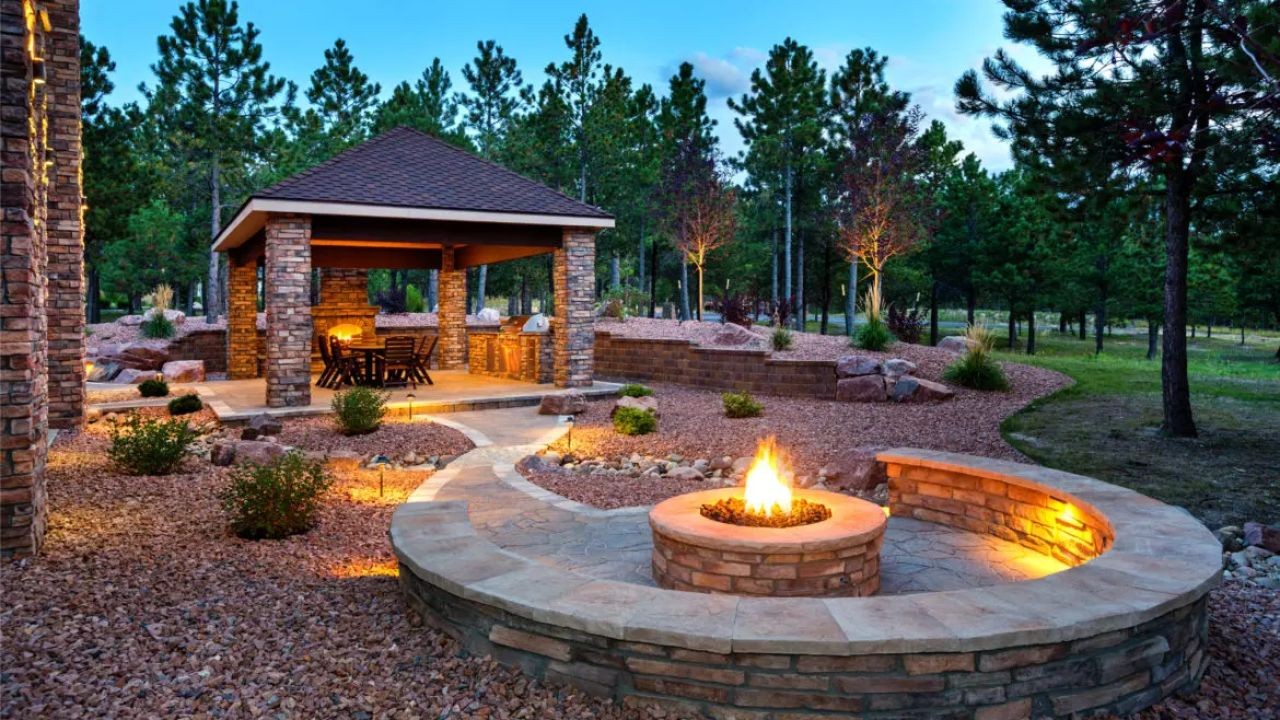
In the heart of New Zealand, where nature’s beauty abounds, Kiwis are increasingly investing in outdoor and garden products to enhance their living spaces. This trend isn't just about aesthetics; it's a reflection of a deeper cultural shift towards embracing the outdoors and sustainable living. Whether opting for affordable items or splurging on luxury goods, the choices made in this sector have significant economic implications. This article dives into the pros and cons of affordable versus luxury outdoor products, providing a data-driven analysis and real-world examples to guide Kiwis in making informed decisions.
Pros & Cons Evaluation: Affordable vs. Luxury Outdoor Products
Pros of Affordable Outdoor Products
- Cost-Effective: Affordable products allow more Kiwis to beautify their outdoor spaces without breaking the bank. This democratization of outdoor living can lead to increased demand, boosting local businesses.
- Accessibility: Widely available, these products are easier to source, reducing the time and effort required to enhance a garden or patio.
- Flexibility: Affordable products often allow for frequent updates and changes, letting homeowners experiment with different styles and layouts.
Cons of Affordable Outdoor Products
- Durability Concerns: Affordable items may not withstand harsh weather conditions, leading to higher turnover and long-term costs.
- Environmental Impact: Cheaper products often involve materials and manufacturing processes that are less eco-friendly.
Pros of Luxury Outdoor Products
- Quality and Longevity: These products are built to last, often using sustainable materials that withstand New Zealand’s diverse climate.
- Aesthetic Appeal: High-end products offer superior design and craftsmanship, enhancing the overall value of a property.
- Status and Satisfaction: Investing in luxury items can provide a sense of satisfaction and status, contributing to personal well-being.
Cons of Luxury Outdoor Products
- High Initial Costs: The upfront investment is substantial, which might be prohibitive for many New Zealanders.
- Limited Accessibility: Luxury items may be harder to source, especially in remote areas.
Data-Driven Report: The Economic Impact
According to Stats NZ, the home and garden sector contributes significantly to the national economy, with a growth rate of 5% annually. This sector not only supports local businesses but also creates numerous job opportunities. The Ministry of Business, Innovation, and Employment (MBIE) projects that as more Kiwis invest in their outdoor spaces, there will be a ripple effect on related industries such as landscaping and outdoor furnishings.
Consumer Spending Trends
The Reserve Bank of New Zealand reports that consumer spending on home improvement has increased by 15% over the past year, with a notable shift towards quality over quantity. This trend indicates a growing preference for long-term investments in outdoor living spaces, aligning with global movements towards sustainable and mindful consumption.
Case Study: The Rise of Eco-Friendly Outdoor Products
Case Study: Bunnings Warehouse – Embracing Sustainability
Problem: Bunnings Warehouse, a leading home improvement retailer, faced increasing pressure from consumers for sustainable outdoor products.
Action: In response, Bunnings introduced a range of eco-friendly products, including solar-powered lights and recycled garden furniture. They also launched an educational campaign to inform customers about sustainable gardening practices.
Result: Within a year, Bunnings saw a 30% increase in sales of their eco-friendly range. Customer feedback highlighted increased satisfaction and a willingness to pay a premium for sustainable options.
Takeaway: This case study underscores the importance of aligning product offerings with consumer values. New Zealand businesses can leverage this insight to enhance their competitive edge by focusing on sustainability.
Common Myths & Mistakes
Myth: Luxury Products Are Always Better
Reality: While luxury products offer higher quality, they are not always the best choice for every consumer. Factors like budget constraints, environmental impact, and personal preference can make affordable options more suitable.
Myth: Affordable Means Low Quality
Reality: Many affordable products offer excellent value and durability. The key is to research and choose products with positive reviews and sustainable materials.
Myth: Outdoor Products Are Only for Homeowners
Reality: Renters can also enhance their living spaces with portable and versatile outdoor products, which are increasingly available in the market.
Future Trends & Predictions
By 2028, it is expected that 50% of outdoor and garden products in New Zealand will incorporate smart technology, such as automated watering systems and energy-efficient lighting. This shift will be driven by the growing demand for convenience and sustainability, as highlighted in the New Zealand Business Council's recent report.
Predicted Industry Shifts
Experts forecast a rise in locally-sourced products, as consumers become more conscious of their carbon footprint. This trend will likely spur innovation in the local manufacturing sector, creating new opportunities for Kiwi businesses.
Conclusion
Ultimately, the choice between affordable and luxury outdoor products depends on individual needs and values. By considering the pros and cons, and leveraging data-driven insights, Kiwis can make informed decisions that enhance their outdoor spaces while supporting economic growth. What’s your next move? Share your thoughts in the comments below!
Final Takeaways
- Embrace sustainability by opting for eco-friendly products.
- Balance quality and cost to maximize value.
- Stay informed on consumer trends to make strategic purchasing decisions.
People Also Ask (FAQ)
How does choosing the right outdoor products impact New Zealand’s economy? Opting for locally-made, sustainable products supports Kiwi businesses and reduces the carbon footprint, thereby contributing positively to the economy.
What are the biggest misconceptions about outdoor products? A common myth is that luxury products are always superior. However, many affordable products offer excellent durability and value, particularly when sourced from reputable providers.
Who benefits the most from investing in luxury outdoor products? Homeowners looking to increase property value, enhance aesthetic appeal, and enjoy long-lasting quality see the greatest benefits from luxury investments.
Related Search Queries
- Best outdoor furniture NZ
- Eco-friendly garden products
- Luxury outdoor brands New Zealand
- Affordable gardening solutions
- Trends in NZ outdoor living
For the full context and strategies on Affordable vs Luxury Outdoor & Garden Products: Video Inspiration for Kiwis, see our main guide: Retail Promotions Events Videos Nz.