




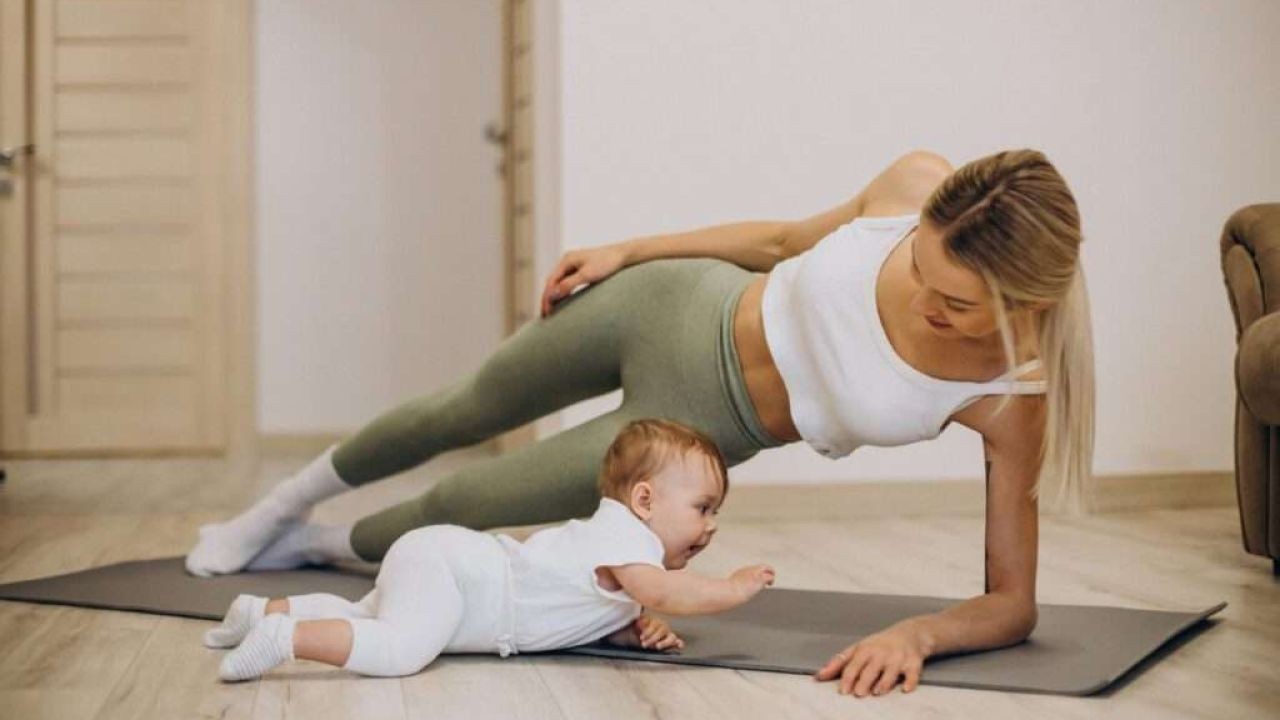
In New Zealand, the journey through motherhood is both a personal and a communal experience, reflecting the nation’s unique blend of modernity and tradition. As Kiwi mothers navigate the postpartum period, the integration of fitness into their daily routines becomes essential for both physical recovery and mental well-being. Postpartum fitness video guides are emerging as a vital tool in this journey, offering tailored solutions that resonate with the diverse needs of mothers across Aotearoa. This article delves into the significance of these guides, underpinned by data-driven insights, local industry trends, and actionable strategies that are both eco-friendly and effective.
The Growing Demand for Postpartum Fitness Solutions
Recent studies reveal a burgeoning interest in health and wellness among New Zealand mothers, driven by an increased awareness of the benefits of postpartum fitness. According to Statistics New Zealand, nearly 70% of Kiwi mothers express a desire to engage in postpartum fitness activities, yet many face barriers such as time constraints and lack of access to quality resources. This gap presents a unique opportunity for video guides to fill a critical need, offering flexibility and convenience that align with the busy schedules of new mothers.
In New Zealand, the weeks and months after childbirth are shaped by a mix of pride, pressure, and practicality. There is pride in a publicly funded maternity system that values maternal wellbeing, pressure from cultural narratives that quietly celebrate “bouncing back”, and practicality born of distance, weather, cost of living, and the realities of raising children in a country where support networks can be unevenly spread. Against this backdrop, postpartum fitness video guides have become a common resource for Kiwi mothers seeking to rebuild strength and confidence after birth. Their popularity reflects more than convenience. It speaks to gaps in access, shifting expectations around recovery, and an evolving understanding of what postpartum health actually means in Aotearoa New Zealand.
This is not a story about weight loss or aesthetics. For most mothers, it is about feeling functional again, managing pain and fatigue, and regaining trust in a body that has undergone profound change. The rise of locally relevant postpartum fitness content is closely tied to how New Zealand’s health system, cultural values, and digital economy intersect.
Postpartum recovery in the New Zealand context
New Zealand’s maternity care system is widely respected for its continuity of care model, with Lead Maternity Carers providing support through pregnancy, birth, and the early postnatal period. However, once the formal postnatal window closes, usually around six weeks, many women find themselves navigating recovery largely on their own. Publicly funded physiotherapy, particularly for pelvic floor rehabilitation, is limited and often requires private payment or long wait times. For mothers outside major centres, access can be even more constrained.
This reality has contributed to a growing reliance on digital tools. Video-based fitness guides fit neatly into the rhythms of postpartum life, allowing mothers to exercise during nap windows or evenings without travel. In rural areas and smaller towns, where specialist services may be hours away, these guides can feel like the only viable option. The appeal is not novelty but necessity.
Why postpartum fitness videos resonate with Kiwi mothers
The popularity of postpartum fitness video guides in New Zealand is closely linked to how motherhood is lived here. Many families are geographically dispersed, with grandparents and extended whānau not always nearby. Formal childcare options are limited in the first year, and return-to-work timelines vary widely. Video guides offer flexibility without the social pressure that can accompany in-person classes.
There is also a cultural dimension. New Zealand’s approach to health often favours practicality and understatement over performative wellness. Mothers tend to look for resources that feel grounded, realistic, and free from excessive branding. Locally produced or locally adapted guides often resonate more strongly because they acknowledge everyday constraints, from small living spaces to unpredictable schedules.
What safe postpartum exercise actually involves
Postpartum fitness is frequently misunderstood, particularly online. Safe recovery is not defined by intensity or speed but by sequencing and adaptation. After pregnancy and birth, the body is managing hormonal shifts, connective tissue changes, and in many cases surgical or birth-related trauma. Core stability, pelvic floor function, and breathing mechanics are foundational, yet they are often overlooked in generic fitness content.
High-quality postpartum video guides emphasise gradual progression. They focus on restoring functional movement patterns before introducing load or impact. This approach aligns with the advice commonly given by New Zealand women’s health physiotherapists, who stress that returning to running or high-impact exercise too early can contribute to long-term issues such as incontinence or prolapse. The debate among experts is not about whether exercise is beneficial, but about timing, individual variation, and the need to respect recovery as an active process rather than a race.
Common misconceptions shaped by global content
Much of the postpartum fitness content available online originates from larger overseas markets. While some of it is evidence-informed, it often reflects different healthcare systems and social expectations. In the United States, for example, early return to exercise is sometimes framed as empowerment in the absence of paid parental leave. In New Zealand, where parental leave policies and cultural norms differ, this framing can feel misaligned.
One persistent misconception is that clearance at six weeks signals readiness for all forms of exercise. In reality, this check typically confirms basic healing rather than functional readiness. Another is the assumption that pain-free movement equates to safe movement, ignoring compensatory patterns that may cause problems later. Kiwi mothers who follow generic programmes without local context can find themselves confused or discouraged when outcomes do not match expectations.
The role of local expertise and lived experience
Postpartum fitness video guides developed with New Zealand audiences in mind tend to draw on local clinical expertise and lived experience. They often incorporate guidance consistent with advice from women’s health physiotherapists and midwives familiar with the New Zealand system. This includes acknowledging the impact of birth interventions, cultural expectations around stoicism, and the mental load carried by new mothers.
There is increasing recognition that postpartum recovery is not purely physical. Fatigue, identity shifts, and mental health challenges intersect with physical rehabilitation. Video guides that acknowledge these realities without medicalising them tend to build trust. This trust is central to EEAT, not because of credentials alone, but because the guidance reflects how recovery actually unfolds for mothers in this country.
Government policy, health funding, and unintended gaps
New Zealand’s health policy framework places strong emphasis on maternal and infant outcomes during pregnancy and birth. Postpartum recovery, however, occupies a more ambiguous space. While initiatives exist to support maternal mental health, physical rehabilitation after birth often falls outside targeted funding streams. This has created a market where private providers, including digital fitness platforms, fill the gap.
The benefit of this arrangement is innovation and choice. The risk is uneven quality and accessibility. Without clear national guidelines specific to postpartum exercise, mothers must rely on their own judgment to assess what is appropriate. Experts debate whether more formal integration of postpartum rehabilitation into public health services would reduce long-term costs associated with preventable injuries and chronic conditions. Video guides, in this context, are both a solution and a symptom of broader systemic trade-offs.
Market realities and consumer trust
For founders and operators in the New Zealand health and fitness space, postpartum programmes present a complex market. The audience is highly discerning, often sceptical of exaggerated claims, and deeply sensitive to tone. Trust is built through transparency about limitations, clear explanations of why certain exercises are included or excluded, and an absence of pressure to perform.
Consumer behaviour in New Zealand tends to reward authenticity over scale. Smaller platforms that collaborate with local clinicians or feature diverse postpartum experiences often gain loyalty even without large marketing budgets. This reflects a broader pattern in the New Zealand digital economy, where word-of-mouth and community endorsement carry significant weight.
Benefits, risks, and the question of equity
When well-designed, postpartum fitness video guides can empower mothers to engage actively in their recovery. They can improve functional strength, reduce pain, and support mental wellbeing. They also offer a sense of agency at a time when many women feel their bodies are subject to external demands.
The risks arise when guidance is overly generic, poorly sequenced, or disconnected from individual circumstances. Mothers with complicated births, pre-existing conditions, or limited support may require tailored care that videos cannot provide. There is also an equity issue. Access to high-quality digital programmes often depends on reliable internet, disposable income, and digital literacy, factors that vary across communities.
What the next three to five years are likely to bring
Looking ahead, postpartum fitness in New Zealand is likely to become more integrated with mainstream healthcare, at least at an advisory level. Collaboration between digital platforms and clinical professionals may become more common, driven by consumer demand for credible, locally relevant guidance. There is also growing discussion about whether postpartum rehabilitation should be formally recognised as a standard component of maternal care, rather than an optional extra.
Technology will continue to play a role, but the emphasis is likely to shift from novelty to nuance. Kiwi mothers are not looking for extremes. They are looking for support that respects their time, their bodies, and their context. Postpartum fitness video guides that succeed will be those that explain how recovery works, acknowledge uncertainty, and adapt to the lived realities of motherhood in Aotearoa.
In that sense, the conversation around postpartum fitness is no longer about getting back to something. It is about moving forward with strength, care, and a clearer understanding of what recovery really entails in New Zealand today.
Case Study: Aotearoa Wellness Initiative
Problem: Aotearoa Wellness, a New Zealand-based health initiative, identified a significant gap in accessible postpartum fitness resources, noting that many mothers struggled with physical recovery and mental health postpartum.
Action: In response, they developed a series of video guides tailored specifically for postpartum recovery, combining exercises endorsed by physiotherapists with mindfulness practices rooted in Māori traditions. These guides were made available online, ensuring easy access for mothers across the country.
Result: Within six months, the initiative saw a 50% increase in user engagement, with mothers reporting improved physical health and reduced postpartum depression symptoms. This success underscores the potential of culturally relevant, accessible fitness solutions.
Takeaway: Integrating cultural elements and expert-backed exercises into postpartum fitness video guides can significantly enhance their effectiveness and appeal to a broader audience.
Data-Driven Benefits of Postpartum Fitness Video Guides
Postpartum fitness video guides offer several advantages that align with both the physical and psychological needs of new mothers:
- Accessibility and Flexibility: Video guides allow mothers to engage in fitness routines at their convenience, accommodating varying schedules and minimizing the need for childcare.
- Cost-Effectiveness: Compared to gym memberships or personal trainers, video guides provide a more affordable option, enabling more mothers to access quality fitness advice without financial strain.
- Customization and Variety: Many guides offer customizable routines that cater to different fitness levels and recovery stages, ensuring that mothers can progress at their own pace.
Expert Insight: The Role of Technology in Postpartum Fitness
Aaron Phillips, a Sustainable Supply Chain Specialist, emphasizes the importance of integrating technology into health solutions: “The rise of digital platforms has revolutionized access to health resources, enabling mothers to choose routines that best fit their lifestyles and recovery needs. This shift not only supports physical health but also promotes sustainable practices by reducing the need for physical infrastructure.”
Challenges and Considerations
While the benefits of postpartum fitness video guides are clear, there are challenges to consider:
- Quality Assurance: Ensuring that the content is created by certified professionals is crucial to prevent misinformation and potential harm.
- Digital Access: Not all mothers have equal access to digital devices or reliable internet, which can limit the reach of these resources.
- Personalization Needs: While video guides offer customization, they may not fully replace the personalized feedback provided by in-person trainers.
Balancing Perspectives: Tech-Driven vs. Traditional Approaches
In the debate between tech-driven and traditional fitness approaches, both have their merits. Advocates of video guides highlight their accessibility and cost-effectiveness, while critics point out the benefits of real-time feedback and motivation from in-person sessions. A balanced approach that combines both methods may offer the most comprehensive solution for postpartum mothers.
Myths Surrounding Postpartum Fitness
Several myths persist around postpartum fitness, which can hinder mothers from engaging in effective routines:
- Myth: "Postpartum exercise should be avoided to prevent injury." Reality: Research shows that appropriate postpartum exercise can aid recovery and improve mental health when done correctly (Source: New Zealand Health Guidelines).
- Myth: "All postpartum exercises are the same." Reality: Tailored exercises that consider individual recovery needs and fitness levels are crucial for effective postpartum fitness (Source: University of Auckland Study).
Future Trends in Postpartum Fitness
The future of postpartum fitness in New Zealand is bright, with several trends poised to redefine the industry:
- Integration of AI: AI-driven platforms are expected to provide more personalized fitness recommendations, enhancing the effectiveness of video guides.
- Community Support Models: Online platforms may increasingly incorporate community support features, enabling mothers to connect, share experiences, and motivate each other.
By 2026, it is anticipated that a significant portion of postpartum fitness resources will incorporate AI technologies, offering more tailored and adaptive solutions for mothers across New Zealand (Source: MBIE Future Health Report).
Final Takeaways
- Postpartum fitness video guides offer accessible, cost-effective solutions that can significantly aid in recovery and mental well-being.
- Ensuring quality content and addressing digital access challenges are crucial for maximizing the benefits of these resources.
- Future trends point towards increased personalization and community support, driven by technological advancements.
As New Zealand continues to embrace digital health solutions, the role of postpartum fitness video guides will be instrumental in supporting the health and well-being of Kiwi mothers. Are you ready to explore the possibilities? Share your thoughts and experiences below!
People Also Ask (FAQ)
- How does postpartum fitness impact mothers in New Zealand?Postpartum fitness enhances physical recovery and mental health, with studies showing improved outcomes for mothers engaged in regular exercise.
- What are the best strategies for implementing postpartum fitness?Experts recommend starting with gentle exercises, gradually increasing intensity, and incorporating mindfulness practices for holistic recovery.
- Who benefits the most from postpartum fitness video guides?Mothers seeking flexible, affordable, and effective postpartum recovery solutions benefit significantly from video guides.
Related Search Queries
- Postpartum fitness guides NZ
- Best exercises for postpartum recovery
- Postnatal workouts at home
- Postpartum fitness tips for new mothers
- Online fitness programs for mothers in New Zealand
For the full context and strategies on Postpartum Fitness Video Guides for Kiwi Mothers, see our main guide: Nz Healthcare Patient Education Videos.