




Picture this: You're on a scenic drive along New Zealand's stunning Coromandel Peninsula when your electric vehicle (EV) signals it's running low on charge. Panic ensues as you realize you're unsure about the nearest charging station or how to maximize your vehicle's range. Fortunately, with the right knowledge and resources, such scenarios can be easily avoided. As a local business owner, understanding the ins and outs of EV charging not only aids in personal convenience but also aligns with New Zealand's growing commitment to sustainability and clean energy.
Understanding the EV Charging Landscape in New Zealand
New Zealand has been at the forefront of embracing electric vehicles, driven by government incentives and a public shift towards greener transportation. According to Stats NZ, the number of electric vehicles in New Zealand increased by 43% in 2022 alone. However, with this rise in EV usage, understanding the local charging infrastructure becomes imperative.
New Zealand's Ministry of Business, Innovation, and Employment (MBIE) has been actively working to expand the charging network across the country, including urban areas and remote regions. This expansion is critical as the government aims to have 64,000 registered EVs by 2025, creating ample opportunities for businesses to engage in the EV charging ecosystem.
Case Study: ChargeNet New Zealand - Leading the Charge
ChargeNet NZ, a pioneer in the country's charging infrastructure, faced the challenge of ensuring comprehensive coverage across diverse geographical areas. The company identified that many EV users were concerned about the availability of charging stations in less populated regions.
Action: ChargeNet implemented a strategic plan to install over 250 fast-charging stations nationwide, focusing on highways and rural areas to ensure no driver is ever more than 75km away from a charging point.
Result: This initiative led to a 30% increase in EV adoption in rural communities, demonstrating how infrastructure development can drive market growth. The company's efforts not only supported government goals but also set a precedent for other businesses.
Takeaway: Investing in strategic infrastructure improvements can significantly impact customer adoption rates and position a business as a leader in the sustainable energy sector.
Essential EV Charging Tips for Kiwi Drivers
For new and seasoned EV drivers alike, understanding charging nuances can enhance the driving experience and ensure long-term vehicle health. Here are some expert-backed tips:
- Optimize Your Charging Schedule: Take advantage of off-peak electricity rates typically offered during nighttime hours. This not only reduces costs but also minimizes strain on the grid.
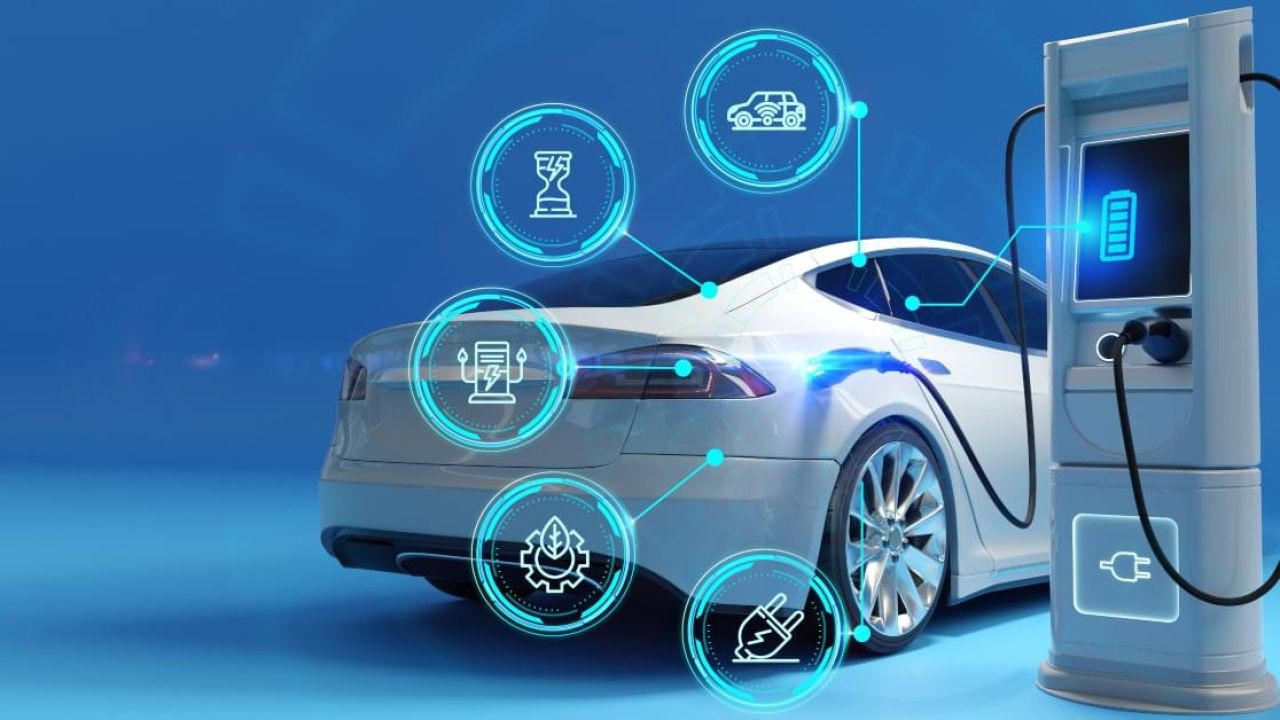
- Know Your Charging Options: Familiarize yourself with the three main types of charging: rapid, fast, and slow. Each has different power outputs and is suitable for varying needs.
- Utilize Charging Apps: Tools like PlugShare and ChargeNet's own app can help locate nearby charging stations, monitor availability, and even reserve a spot.
- Pre-Condition Your Vehicle: Preheat or cool your EV while it's still plugged in to reduce battery drain during travel.
Debunking Common EV Charging Myths
As EVs become mainstream, several misconceptions persist. Let’s set the record straight:
Myth: "Frequent fast charging damages the battery."
Reality: While consistent use of fast chargers can slightly degrade battery life over time, occasional use is not harmful. According to a study by the University of Auckland, battery longevity is more affected by extreme weather conditions and charging habits.
Myth: "Electric cars are not suitable for long-distance travel."
Reality: With the expansion of charging networks and improved battery ranges, traveling across New Zealand is more feasible than ever. A trip from Auckland to Wellington can be comfortably managed with strategic charging stops.
Myth: "EVs are too expensive for the average Kiwi."
Reality: While the initial cost may be higher, lower running costs and government subsidies make EVs economically viable. The total cost of ownership often outpaces traditional vehicles within a few years.
Looking Ahead: The Future of EV Charging in New Zealand
As New Zealand continues to move towards a sustainable future, the EV landscape is set for exciting developments. By 2030, it's projected that 50% of all vehicles on the road will be electric, driven by advances in battery technology and reduced costs. Businesses that align themselves with this trend are likely to see significant benefits, from enhanced customer engagement to new revenue streams.
The Reserve Bank of New Zealand predicts that the clean energy sector, including EV infrastructure, will contribute significantly to the national economy, creating jobs and fostering innovation. For local business owners, this presents an opportunity to integrate EV-friendly initiatives into their business models, from installing charging stations at their premises to offering EV-related products and services.
Final Takeaways & Call to Action
- 🔋 Stay Informed: Keep abreast of new charging technologies and infrastructure developments in New Zealand.
- 🌿 Embrace Sustainability: Consider how your business can support and benefit from the EV movement.
- 📈 Seize Opportunities: Explore partnerships with EV charging networks or integrate EV offerings into your service portfolio.
Are you prepared to join New Zealand's electric revolution? Share your thoughts or experiences with EVs in the comments below, and let's drive towards a greener future together!
People Also Ask
How does EV adoption impact businesses in New Zealand? NZ businesses leveraging EVs report increased customer engagement and reduced operational costs, according to MBIE. Adopting EV strategies can enhance sustainability and revenue.
What are the biggest misconceptions about EV charging? A common myth is that EVs are unsuitable for long-distance travel. However, the expanded charging network in New Zealand supports long journeys effectively.
Related Search Queries
- Electric vehicle charging stations NZ
- EV charging tips for beginners
- Status of EV infrastructure in New Zealand
- Best charging practices for electric cars
- Government incentives for electric vehicles NZ
- Sustainable transport initiatives in New Zealand
- EV market growth in NZ
- Impact of EVs on the NZ economy
- Future of electric vehicles in New Zealand
- Challenges facing EV adoption in New Zealand
For the full context and strategies on Electric Vehicle Charging Tips Video Guides for New Zealand Drivers, see our main guide: Vehicle Launch Review Videos Nz.