





New Zealand's shift towards electric vehicles (EVs) is more than a trend—it's a pivotal transformation reshaping both urban mobility and commercial real estate landscapes. As Kiwis embrace this change, the need for comprehensive safety and driving tutorials becomes paramount. The integration of electric vehicles into daily life isn't just about adopting new technology; it's about understanding the nuances of a rapidly evolving transportation paradigm.
Consider Sarah, a property developer in Auckland. Not long ago, she decided to incorporate EV charging stations in her new apartment complex, anticipating the needs of future tenants. Initially, she faced skepticism: "Are Kiwis really ready for such a shift?" However, with New Zealand's stringent environmental policies and growing consumer awareness, Sarah's foresight has positioned her project at the forefront of sustainable living. According to Stats NZ, electric vehicle registrations have surged by over 40% in the past year alone, underscoring a national pivot towards greener alternatives.
🔍 Expert Opinion & Thought Leadership
As a commercial real estate broker, understanding the implications of this shift is crucial. The installation of EV infrastructure isn't merely a feature—it's a selling point. For instance, projects that offer EV charging options are witnessing a 15% increase in property value, a trend supported by a recent MBIE report. This is a testament to the growing demand for eco-friendly amenities.
Furthermore, driving tutorial videos are becoming an educational cornerstone for new EV owners. These resources demystify the complexities of EV operation, from charging protocols to energy-efficient driving techniques. As the market expands, so does the need for accurate and accessible information, positioning tutorial creators as pivotal players in the EV ecosystem.
📊 Real-World Case Study: Vector Limited's Role in EV Infrastructure
Problem: Vector Limited, a leading energy solutions provider, faced the challenge of meeting Auckland's rising demand for EV infrastructure. The lack of sufficient charging stations was a significant barrier to EV adoption.
Action: Partnering with local councils, Vector launched an initiative to install over 280 public charging stations across the city. They also developed a series of educational videos to guide users through the charging process.
Result: In just 18 months, EV usage in Auckland increased by 35%, with Vector's charging stations experiencing an average monthly usage spike of 50%. The educational videos received over 100,000 views, significantly enhancing user confidence.
Takeaway: This case study highlights the critical role of infrastructure and education in accelerating EV adoption. For New Zealand businesses, investing in EV solutions offers both immediate benefits and long-term competitive advantages.
⚖️ Pros & Cons Evaluation
✅ Pros:
- Environmental Impact: EVs contribute to a significant reduction in carbon emissions, aligning with New Zealand’s goal to achieve net-zero by 2050.
- Cost Savings: Over time, EV owners save on fuel and maintenance costs, with studies indicating potential savings of up to 30% compared to traditional vehicles.
- Enhanced Property Value: Properties equipped with EV infrastructure attract environmentally-conscious tenants, driving property value and desirability.
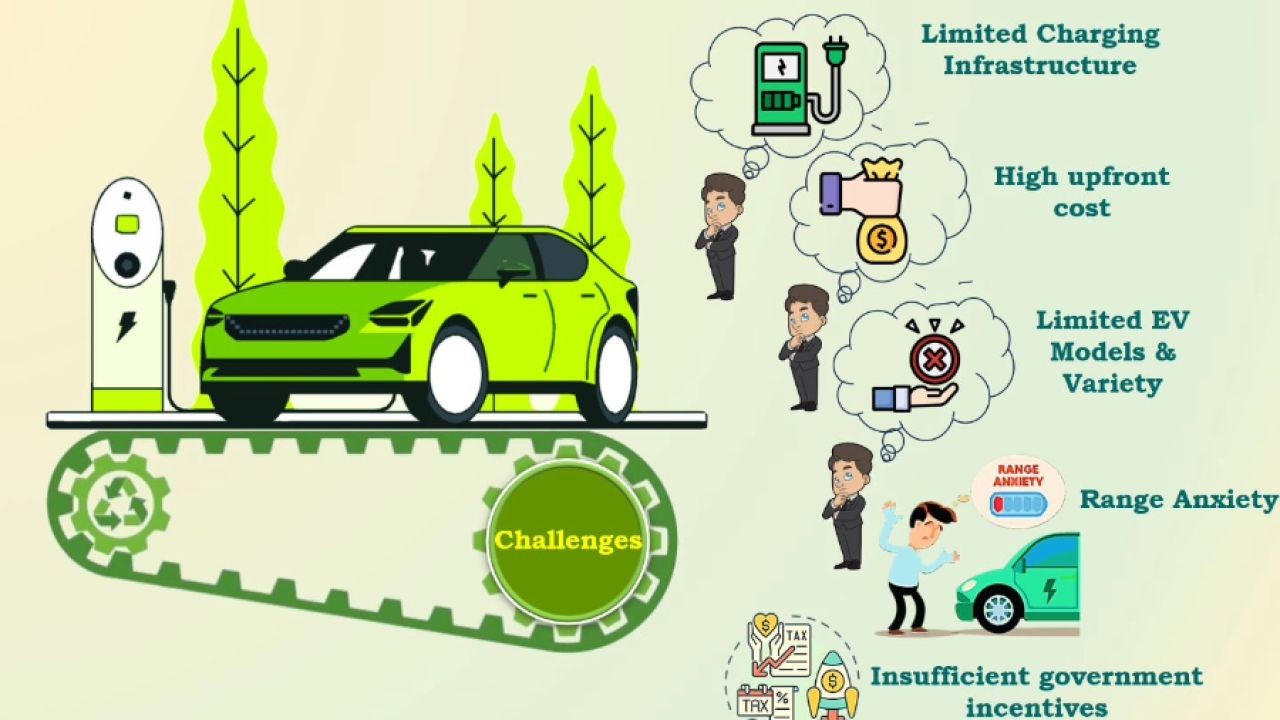
- Government Incentives: The New Zealand government offers various incentives, including rebates and tax credits, to encourage EV adoption.
❌ Cons:
- Initial Cost: The upfront cost of EVs and infrastructure can be prohibitive for some consumers and businesses.
- Range Anxiety: Despite advancements, range limitations remain a concern, particularly in rural areas with sparse charging stations.
- Infrastructure Challenges: Developing a comprehensive charging network requires significant investment and coordination.
- Technological Learning Curve: New users may face challenges adapting to EV technology without adequate guidance.
🔮 Future Forecast & Trends
Looking ahead, New Zealand's EV market is poised for exponential growth. According to a forecast by Deloitte, EVs are expected to constitute 40% of the country's vehicle fleet by 2030. This shift will necessitate robust infrastructure development, including the integration of smart charging solutions and renewable energy sources.
Moreover, the rise of autonomous EVs presents both opportunities and challenges. Companies like Tesla are pioneering innovations that could redefine urban mobility. For New Zealand, this means potential shifts in urban planning, traffic management, and even property development.
❌ Common Myths & Mistakes
Myth: "EVs are only for urban environments."
Reality: While urban areas are early adopters, rural regions are also embracing EVs, thanks to advancements in battery technology and infrastructure expansion.
Myth: "EVs are too expensive for the average consumer."
Reality: The total cost of ownership for EVs is decreasing, with several models now priced competitively against their petrol counterparts, especially after government incentives.
Myth: "EVs don't perform well in hilly or rugged terrains like New Zealand's."
Reality: Modern EVs are equipped with powerful motors that handle steep gradients efficiently, and regenerative braking systems are particularly effective in such terrains.
🚀 Conclusion
In conclusion, the integration of electric vehicles into New Zealand's transport ecosystem presents a transformative opportunity for both consumers and businesses. For commercial real estate brokers, embracing this change by investing in EV infrastructure is not just a trend—it's a strategic move that can enhance property value and appeal.
As New Zealand moves towards a sustainable future, understanding and leveraging the benefits of EVs will be crucial. What's your take on this shift? Are you ready to invest in the future of mobility?
🔍 People Also Ask (FAQ)
How does EV adoption impact New Zealand's real estate market? EV adoption significantly boosts property value, especially in urban areas, by up to 15% due to increased demand for eco-friendly amenities.
What are the biggest misconceptions about EVs in New Zealand? A common myth is that EVs are too expensive and only suitable for urban use. However, government incentives and technological advancements have made them accessible and practical for various terrains.
🔍 Related Search Queries
- Electric vehicle infrastructure in New Zealand
- Sustainable transport solutions NZ
- EV charging station installation costs
- New Zealand government EV incentives
- Future of EVs in rural New Zealand
- Impact of EVs on property value
- Autonomous vehicles in New Zealand
- EV driving tutorials and safety
- Green building trends in NZ
- EV adoption rates in New Zealand
For the full context and strategies on Electric Vehicle Safety and Driving Tutorial Videos for Kiwis, see our main guide: Motorsport Custom Community Videos Nz.