




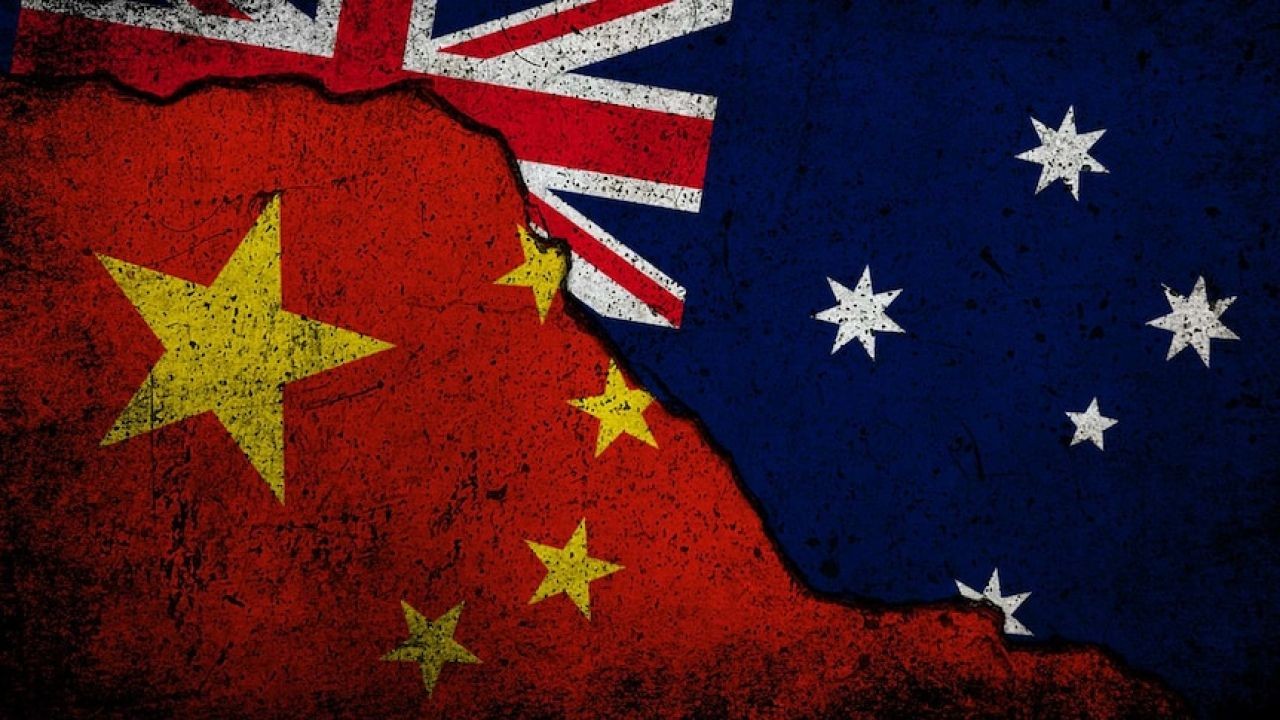
The global wellness industry, valued at over US$5.6 trillion, is not immune to the tectonic shifts of geopolitics. For Australian wellness brands, the evolving trade relationship with China represents a complex matrix of risk and opportunity that extends far beyond simple tariff sheets. While headlines often focus on commodities like barley and wine, the nuanced impact on consumer goods, particularly in the health and wellness sector, is a critical but under-discussed narrative. The strategic decisions made today—in supply chain diversification, market positioning, and cultural intelligence—will determine which Australian wellness companies thrive in the coming decade and which become cautionary tales.
The Australian Wellness Export Landscape: A Precarious Balance
Australia's wellness exports to China have historically been a significant success story, built on a powerful brand narrative of 'clean, green, and safe.' This encompasses everything from vitamins and supplements (VMS) and organic skincare to high-quality manuka honey and health-focused food products. According to the Australian Bureau of Statistics, in the 2022-23 financial year, 'Food and live animals' exports to China were valued at over $15 billion, a category that includes many wellness-adjacent products. While specific wellness sector data is harder to isolate, industry analysis suggests China represents a primary growth market for many Australian VMS and natural health companies.
However, this dependency creates vulnerability. Drawing on my experience supporting Australian companies in the natural products sector, I've observed a common strategic flaw: over-indexing on a single export destination without developing a parallel, resilient market strategy. When trade tensions escalate, non-tariff barriers such as sudden changes to import regulations, extended customs clearance times, or stringent new labelling requirements can be just as damaging as formal duties. A brand's entire revenue stream can be jeopardised overnight by administrative delays, not just punitive tariffs.
Strategic Implications: Beyond the Tariff Headlines
The real impact for wellness brands is less about direct trade wars and more about navigating a permanently altered commercial environment. This requires a multi-faceted strategic response.
Supply Chain Re-engineering is Non-Negotiable
Many Australian wellness brands source key ingredients, packaging, or manufacturing inputs from China for cost efficiency. The current tensions underscore the critical need for supply chain transparency and diversification. This isn't about a wholesale exodus from China, which is neither practical nor economical, but about building optionality. From consulting with local businesses across Australia, the most resilient are those mapping their entire input chain to identify single points of failure and actively cultivating alternative suppliers in Southeast Asia, India, or domestically. The initial cost may be higher, but the value lies in business continuity.
The "Australia Premium" Must Evolve
The generic "Made in Australia" claim is no longer a sufficient differentiator in the sophisticated Chinese wellness market. Consumers are increasingly discerning, seeking proof of efficacy, sustainability credentials, and brand stories that resonate with personal health goals. Australian brands must invest in clinical research for their products, obtain internationally recognised certifications (like COSMOS for organic cosmetics), and leverage digital storytelling to connect with Chinese consumers on platforms like Xiaohongshu (Little Red Book). The premium must be justified by demonstrable quality and authentic narrative, not just origin.
Regulatory Agility and Compliance
The regulatory landscape for imported health goods in China is complex and can change with little warning. For instance, China's National Medical Products Administration (NMPA) has stringent and evolving rules for 'blue hat' registration of health foods. Australian brands must either invest deeply in understanding and navigating this system or partner with expert local distributors who can manage compliance. Missteps here don't just result in lost shipments; they can lead to a brand being blacklisted.
Case Study: Blackmores – Navigating the Geopolitical Tightrope
Problem: Blackmores, the iconic Australian vitamins and supplements company, became a textbook case of over-reliance on the China market. For years, its growth was turbocharged by the daigou (personal shopper) trade and direct exports to China. At its peak, China-related sales accounted for a significant portion of its revenue. However, this left the company acutely exposed to geopolitical shifts, regulatory changes, and the COVID-19 pandemic's disruption to the daigou channel. The company faced plummeting sales, profit downgrades, and intense shareholder pressure as these concentrated risks materialised.
Action: Under new leadership, Blackmores embarked on a strategic pivot to reduce its dependency on China. Key actions included:
- Portfolio and Market Diversification: Aggressively investing in and expanding across other Asian markets like Indonesia, Thailand, and Malaysia, while also strengthening its core Australian business.
- Supply Chain Review: Conducting a thorough audit of its ingredient sourcing and manufacturing to mitigate concentration risk.
- Channel Evolution: Moving to formalise and stabilise its China go-to-market strategy, relying less on the volatile daigou channel and more on established e-commerce platforms and retail partnerships.
Result: While still in a turnaround phase, the strategic shift has begun to stabilise the business. The company reported a return to profit growth in its 2024 half-year results, with particular strength in its ASEAN segments. This diversification provides a more balanced portfolio, making the company less vulnerable to a shock from any single market.
Takeaway: The Blackmores experience is a powerful lesson for all Australian wellness exporters. No single market, no matter how lucrative, should define a company's fate. Proactive, pre-emptive diversification across geographies and sales channels is a essential risk management strategy, not an optional growth tactic. Building a resilient brand requires a balanced portfolio that can withstand regional economic or political volatility.
Assumptions That Don’t Hold Up
Several dangerous assumptions can lead Australian wellness brands astray in this climate.
Assumption 1: "Our product quality alone will protect us." Reality: Quality is table stakes. In a politicised trade environment, administrative barriers can block even the best products from reaching consumers. Regulatory compliance and local partnership strategies are equally critical components of market access.
Assumption 2: "The daigou channel is a stable long-term strategy." Reality: As Blackmores learned, the informal daigou trade is highly susceptible to exchange rate fluctuations, travel restrictions, and changing Chinese customs policies. Building a formalised, compliant route to market is essential for sustainable scale.
Assumption 3: "Diversifying away from China means abandoning it." Reality: Strategic diversification is about de-risking, not retreating. The Chinese wellness market remains enormous and valuable. The smart approach is to continue serving it but to ensure that no more than, for example, 20-30% of total revenue is dependent on it, thereby insulating the broader business from sector-specific shocks.
The Path Forward: An Actionable Framework for Australian Brands
Based on my work with Australian SMEs in this space, immediate action is required. Here is a concise framework:
- Conduct a Vulnerability Audit: Map your entire value chain—from raw material sourcing to end-customer sales channels. Identify every node with exposure to China and assess the potential impact of disruption.
- Develop a "China-Plus-One" Strategy: For every key ingredient or manufacturing process sourced from China, identify and qualify a backup supplier in another region. Begin by shifting a small percentage of your volume to build the relationship.
- Formalise Your Market Access: Invest in proper regulatory counsel for the Chinese market. If using distributors, conduct thorough due diligence and ensure contracts protect your brand equity and compliance status.
- Build Direct Digital Relationships: Use cross-border e-commerce platforms (Tmall Global, JD Worldwide) to build brand awareness and gather first-party consumer data in China, reducing reliance on intermediaries.
- Explore Domestic & Near-Shore Growth: Re-evaluate the domestic Australian market and near-shore opportunities in New Zealand and Southeast Asia. The Australia-India Economic Cooperation and Trade Agreement (AI-ECTA) also presents new, long-term opportunities for market diversification.
Future Trends & Predictions
The intersection of wellness and geopolitics will only become more pronounced. We can anticipate:
- Increased Scrutiny on Sustainability Claims: "Green" and "ethical" sourcing will become a key component of the Australia brand in China, requiring verifiable, blockchain-enabled traceability to prove provenance and environmental credentials.
- Rise of Precision Wellness: The next wave of demand will move beyond general supplements to products tailored for specific genetic markers or health conditions. Australian brands with strong R&D capabilities can lead here, but will face intense competition from well-funded Chinese biotech firms.
- Regulatory Convergence & Divergence: While some standards may harmonise, we will likely see China further develop its own regulatory frameworks for health products, potentially creating a separate "walled garden" that foreign brands must specifically design for.
In practice, with Australia-based teams I’ve advised, the consensus is clear: the era of easy exports is over. The future belongs to strategically agile, culturally intelligent, and operationally resilient brands that treat geopolitical awareness as a core business function, not a peripheral concern.
People Also Ask
How do trade tensions directly impact a small Australian wellness brand? Beyond tariffs, impacts include unpredictable customs delays, sudden rejection of shipments over labelling technicalities, and increased banking/compliance costs for cross-border transactions. These administrative hurdles can cripple cash flow and erode margins for SMEs without the resources of larger firms.
Is it still worth trying to enter the Chinese wellness market? Yes, but with a revised strategy. Entry requires significant upfront investment in regulatory compliance and local market knowledge. Brands should view it as a long-term, strategic market requiring dedicated resources, not a quick export opportunity. Partnering with an experienced local distributor is often essential.
What are the best alternative markets for Australian wellness exports? Southeast Asia (particularly Indonesia, Vietnam, and Thailand), India (under the new trade agreement), and South Korea present strong growth opportunities. These markets also value high-quality, trusted health products and offer diversification from over-reliance on any single economy.
Final Takeaway & Call to Action
The Australia-China trade dynamic is a permanent state of managed tension, not a temporary dispute. For the Australian wellness industry, this environment demands a fundamental shift from opportunistic exporting to strategic international business. The brands that will succeed are those that build inherent resilience into their operations—diversifying supply chains, deepening market intelligence, and justifying their premium with irrefutable quality and science.
Your immediate action is to conduct the vulnerability audit outlined above. Identify your single greatest point of geopolitical risk within the next quarter and develop a mitigation plan. The goal is not to fear the changing landscape, but to build an enterprise robust enough to navigate it with confidence.
Related Search Queries: Australia China trade war impact on small business; exporting vitamins to China regulations 2024; alternative markets for Australian health products; daigou trade Australia future; supply chain diversification strategy Australia; China NMPA registration for foreign supplements; Australia India trade agreement wellness sector; geopolitical risk management for exporters.
For the full context and strategies on 14. Trade tensions with China updates – A New Era for the Australian Market?, see our main guide: Professional Sports Videos Australia.