



In the dynamic world of hobbies and interests, Kiwi hot rod and muscle car videos are emerging as a unique source of inspiration for hobbyists across New Zealand. This fascination is not merely about the vehicles themselves but extends to how these videos cultivate a community, influence economic activities, and even impact property development trends. Understanding this phenomenon requires a deep dive into the mechanics of how these videos captivate audiences and inspire action, particularly within the context of New Zealand's cultural and economic landscape.
How It Works: A Deep Dive into Kiwi Hot Rod and Muscle Car Videos
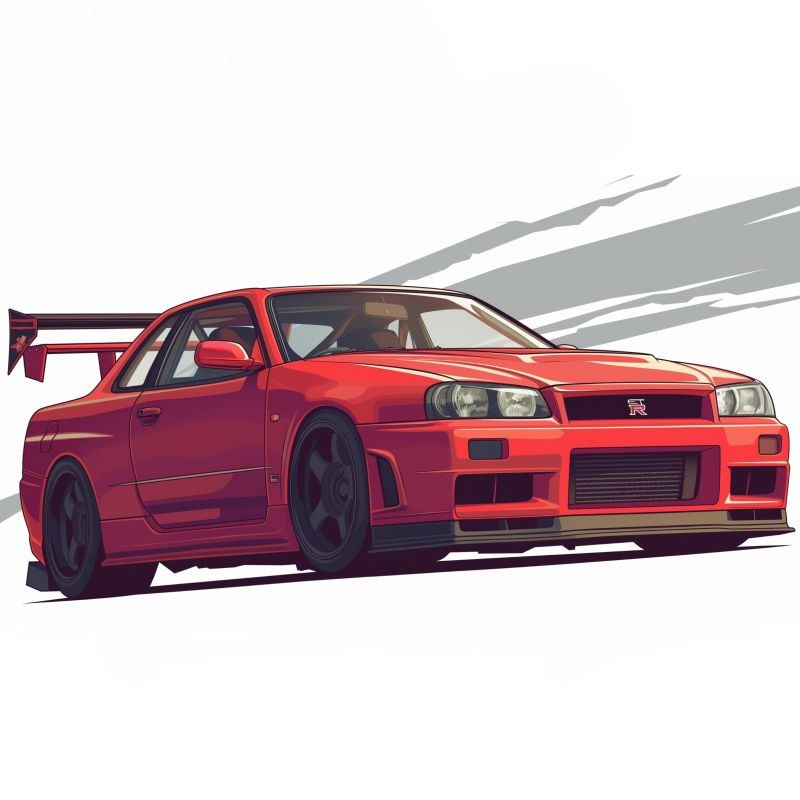
Hot rod and muscle car videos have become a cornerstone of automotive culture, offering enthusiasts a virtual window into the world of high-performance vehicles. These videos often feature detailed restorations, exhilarating races, and customization projects that showcase both the artistry and engineering behind these cars. The allure lies in the combination of nostalgia, mechanical prowess, and the sheer aesthetic appeal of the vehicles.
In New Zealand, where the automotive industry is a significant contributor to the economy, these videos serve as both entertainment and a catalyst for economic activity. According to Stats NZ, the automotive industry accounted for approximately 3% of New Zealand's GDP in 2020. This interest in hot rods and muscle cars has a trickle-down effect, stimulating businesses in automotive restoration, parts manufacturing, and even property development, as garages and workshops become essential for car enthusiasts.
Pros & Cons Evaluation
Before diving into the pros and cons of hot rod and muscle car videos, it's essential to understand their impact on various facets of life and business.
Pros:
- Community Building: These videos foster a sense of community among car enthusiasts, providing a platform for sharing knowledge and experiences.
- Economic Stimulus: They indirectly boost the economy by driving demand for automotive services and parts.
- Skill Development: Viewers often learn new skills related to car maintenance and restoration, which can lead to new career opportunities.
- Cultural Preservation: They play a role in preserving automotive heritage, inspiring the younger generation to appreciate and maintain classic cars.
Cons:
- Cost Barriers: Restoring and maintaining hot rods or muscle cars can be prohibitively expensive for many enthusiasts.
- Environmental Concerns: Older vehicles tend to be less environmentally friendly, which may conflict with New Zealand's sustainability goals.
- Resource Intensive: The hobby requires significant time and effort, which can be a deterrent for potential newcomers.
Comparative Analysis: New Zealand vs. Global Trends
While the passion for hot rods and muscle cars is a global phenomenon, New Zealand presents a unique context. The country's relatively small population and geographical isolation mean that the car community is tightly-knit, with events like the Beach Hop in Whangamata drawing in thousands of enthusiasts annually. These events are not just about cars; they are a celebration of music, culture, and community spirit.
Globally, countries like the United States have a long-standing tradition of hot rod culture, with a vast array of events, clubs, and networks. However, New Zealand's approach is more community-focused, with a strong emphasis on camaraderie and shared passion rather than commercial competition.
Case Study: The Beach Hop Festival
The Beach Hop Festival in Whangamata is a prime example of how Kiwi hot rod culture is thriving. This annual event attracts over 100,000 visitors, significantly boosting the local economy. The festival features a wide range of activities, including car shows, parades, live music, and swap meets. It has become a cornerstone event for car enthusiasts in New Zealand and showcases the cultural significance of hot rods and muscle cars in the country.
Problem: Whangamata, a small town on the Coromandel Peninsula, faced economic challenges outside the tourist season.
Action: The town leveraged the popularity of hot rod culture by hosting the Beach Hop Festival, which focused on celebrating classic cars and 50s and 60s culture.
Result: The festival generated an estimated $7 million in economic activity, providing a significant boost to local businesses.
Takeaway: By tapping into niche interests like hot rod culture, small towns can drive economic growth and build a strong sense of community.
Data-Driven Insights: The Economic Impact
According to the Ministry of Business, Innovation, and Employment (MBIE), events like the Beach Hop contribute significantly to regional economies by attracting tourists and creating job opportunities. In 2019, the festival alone generated over $7 million in economic activity, supporting local businesses and creating seasonal employment opportunities.
Furthermore, the automotive restoration industry in New Zealand is estimated to be worth approximately NZD 100 million annually, with much of this driven by the passion for hot rods and muscle cars. This industry not only supports local economies but also contributes to the preservation of automotive heritage.
Contrasting Perspectives: The Debate over Environmental Impact
Despite the positive economic impact, there is a growing debate over the environmental consequences of hot rod culture. Critics argue that the restoration and use of older, less efficient vehicles run counter to New Zealand's sustainability goals. The government has been actively promoting electric vehicles and sustainable transportation solutions to reduce carbon emissions, as outlined in New Zealand's Zero Carbon Act.
However, proponents of hot rod culture argue that the restoration process itself is a form of recycling, as it involves refurbishing existing vehicles rather than manufacturing new ones. They also point out that many enthusiasts are now incorporating modern technology, such as electric drivetrains, into classic car restorations to align with environmental goals.
Common Myths & Mistakes in Hot Rod Enthusiasm
- Myth: "Only older individuals are interested in hot rods." Reality: The demographic is diversifying, with younger enthusiasts increasingly participating in the culture, driven by social media and digital content.
- Myth: "Hot rods are only about speed and performance." Reality: The culture emphasizes craftsmanship, creativity, and community engagement, which are equally important aspects.
- Myth: "Restoring a hot rod is too expensive for the average person." Reality: While costs can be high, many enthusiasts start with small projects and gradually build their skills and resources over time.
Biggest Mistakes to Avoid in Hot Rod Projects
- Underestimating the Costs: Many first-time restorers fail to account for the total costs, including parts, labor, and maintenance. It's crucial to create a detailed budget plan before starting a project.
- Ignoring Legal Requirements: Compliance with New Zealand's vehicle regulations is essential, especially for modified cars. Ensure all modifications meet safety standards and obtain necessary certifications.
- Neglecting Sustainability: Consider integrating modern, eco-friendly technologies wherever possible to align the hobby with environmental goals.
Future Trends & Predictions
As New Zealand continues to balance economic growth with sustainability, the future of hot rod and muscle car culture will likely evolve. We can expect to see an increase in the integration of electric and hybrid technologies into classic car restorations, aligning with global trends towards sustainability.
According to a report by Deloitte, New Zealand's automotive industry is projected to see a 30% increase in electric vehicle adoption by 2030. This shift will likely influence the hot rod community, encouraging enthusiasts to explore innovative ways to modernize classic cars while preserving their historical value.
Conclusion: The Road Ahead for Kiwi Hot Rod Enthusiasts
Kiwi hot rod and muscle car videos are more than just a hobby; they are a testament to New Zealand's rich automotive culture and its impact on the economy and community. As the country navigates its sustainability goals, the hot rod community will continue to adapt, finding new ways to merge tradition with innovation.
Final Takeaway: For property developers and businesses, understanding the nuances of this cultural phenomenon can open up new avenues for economic growth and community engagement. By integrating environmentally friendly practices and fostering community events, stakeholders can ensure that this vibrant culture continues to thrive.
Are you inspired by the world of hot rods and muscle cars? Share your thoughts and experiences in the comments below!
People Also Ask
- How does Kiwi hot rod culture impact New Zealand's economy? Kiwi hot rod culture stimulates economic activity by driving demand for automotive services, boosting local economies through events like the Beach Hop Festival.
- What are the biggest misconceptions about hot rods? A common myth is that hot rods are only about speed, but they also emphasize craftsmanship and community engagement.
- How can hot rod enthusiasts align with New Zealand's sustainability goals? Enthusiasts can integrate modern, eco-friendly technologies, such as electric drivetrains, into classic car restorations.
Related Search Queries
- New Zealand hot rod culture
- Muscle car restoration in NZ
- Beach Hop Festival Whangamata
- Electric car conversion for hot rods
- Automotive industry trends in New Zealand
For the full context and strategies on Kiwi Hot Rod and Muscle Car Videos Inspiring Hobbyists, see our main guide: Ev Hybrid Future Automotive Videos Nz.