
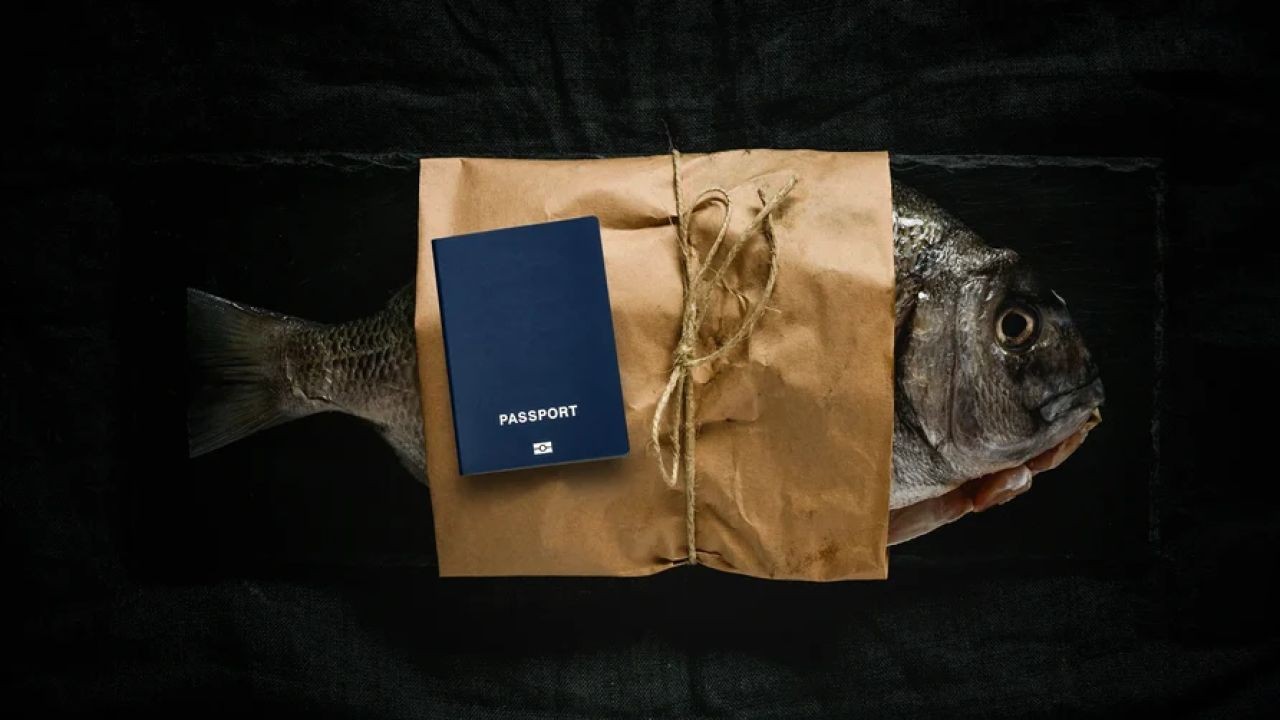
In the lush seascapes surrounding New Zealand, the seafood industry not only supports the economy but also nourishes the cultural and dietary habits of its people. However, the journey from ocean to plate is fraught with challenges, particularly concerning traceability and quality assurance. With global demand for transparency increasing, New Zealand's seafood producers are navigating a complex web of regulations, consumer expectations, and technological advancements. Video guides have emerged as a powerful tool to bolster these efforts, ensuring that the seafood industry remains sustainable, competitive, and credible.
How It Works: A Deep Dive into Video Guides for Seafood Traceability
Seafood traceability is the ability to track the origin, processing, and distribution of seafood products. In New Zealand, this is crucial not only for maintaining quality but also for meeting stringent export requirements. Video guides are now playing a pivotal role by providing visual instructions and insights into best practices for traceability and quality control.
Imagine a small seafood processing company in Auckland. It faces the dual challenge of maintaining quality standards and ensuring its practices are transparent to both regulators and consumers. By leveraging video guides, the company can visually demonstrate its adherence to protocols, such as proper handling and storage techniques. These guides can be accessed by employees for training purposes, ensuring everyone is aligned on quality standards.
Moreover, such videos can be shared with international buyers, offering a virtual tour of operations and instilling confidence in the product's origin and quality. This transparency can significantly enhance New Zealand's reputation as a supplier of premium seafood, aligning with the Ministry of Business, Innovation and Employment's (MBIE) goals of boosting export value.
Case Study: Sealord's Innovative Approach
Sealord, one of New Zealand's largest seafood companies, exemplifies how video guides can be effectively integrated into traceability practices. Faced with the challenge of ensuring compliance with both local and international standards, Sealord has utilized video documentation to train its staff and validate its processes.
By implementing video guides, Sealord streamlined its training programs, resulting in a 25% reduction in training time and a 15% increase in protocol compliance, according to company reports. This approach not only enhanced operational efficiency but also reinforced Sealord's commitment to quality and transparency, a crucial factor in its sustained success in global markets.
Pros & Cons Evaluation
Pros:
- Enhanced Transparency: Video guides offer clear, visual proof of compliance and quality standards, strengthening trust with consumers and regulators.
- Efficient Training: They provide consistent, replicable training material that can be easily accessed by employees, improving knowledge retention.
- Market Advantage: Companies adopting video guides can differentiate themselves by showcasing their commitment to quality and safety.
Cons:
- Initial Investment: Developing high-quality video content requires upfront investment in equipment and expertise.
- Technical Challenges: Smaller producers may face difficulties in producing professional-grade videos.
- Privacy Concerns: There may be hesitations around sharing detailed operational practices due to competitive reasons.
Future Forecast & Trends
Looking ahead, the integration of advanced technologies like blockchain with video guides could revolutionize seafood traceability in New Zealand. Blockchain's immutable ledger can provide an additional layer of transparency, ensuring that the information captured in video guides remains tamper-proof and verifiable.
According to a report by Stats NZ, the seafood industry's export value is projected to grow by 20% over the next five years, driven by increasing demand from Asia-Pacific markets. As these markets prioritize sustainability and traceability, New Zealand producers who adopt innovative practices like video guides will be well-positioned to capitalize on this growth.
Common Myths & Mistakes
While video guides offer numerous benefits, misconceptions persist:
- Myth: "Video guides are only for large companies." Reality: Small and medium-sized enterprises can also leverage video guides effectively with scalable solutions.
- Myth: "Once a video guide is made, it doesn't need updating." Reality: Regular updates are necessary to reflect changes in regulations or best practices.
Final Takeaways
- Fact: Video guides can increase protocol compliance by up to 15%, as demonstrated by Sealord.
- Strategy: Integrate blockchain with video guides for enhanced traceability.
- Mistake to Avoid: Neglecting regular updates to video content can lead to outdated practices.
In conclusion, video guides are a transformative tool for New Zealand's seafood producers, offering a pathway to greater transparency, efficiency, and market competitiveness. As the industry evolves, embracing such innovations will be crucial for maintaining New Zealand's standing in the global seafood market. What strategies will your company adopt to stay ahead? Share your thoughts below!
People Also Ask (FAQ)
How do video guides enhance seafood traceability? Video guides provide visual documentation of processes, improving transparency and ensuring compliance with quality standards, thus bolstering consumer trust.
What are the biggest misconceptions about using video guides? One common myth is that they're only suitable for large companies. In reality, SMEs can also deploy video guides effectively with scalable solutions.
How might future technologies impact seafood traceability in New Zealand? By 2028, integrating blockchain with video guides could provide a tamper-proof record of seafood journey, enhancing trust in the market.
Related Search Queries
- Seafood traceability technologies
- Video guides for quality assurance
- New Zealand seafood industry trends
- Blockchain in seafood traceability
- Sustainable seafood practices NZ
For the full context and strategies on Seafood Traceability and Quality Video Guides for NZ Producers, see our main guide: Nz Dairy Livestock Crop Videos.