



In the realm of interior design, the subtle interplay of light and ambience can transform a space from ordinary to extraordinary. For New Zealanders, this dynamic is not just about aesthetics—it's a reflection of cultural values and lifestyle preferences. As the nation continues to evolve, influenced by both global trends and local sensibilities, lighting design has become a cornerstone of creating not only visually appealing but also environmentally conscious interiors.
Historical Context: The Evolution of Lighting Design in New Zealand
Historically, New Zealand's approach to interior lighting has been heavily influenced by its geographical location and cultural heritage. The introduction of electric lighting in the late 19th and early 20th centuries marked a significant shift from traditional Maori lighting methods, such as open fires and torches, to more modern and efficient systems. By the mid-20th century, the rise of suburban developments and the influence of American and European design trends saw a move towards more uniform and functional lighting solutions.
In recent decades, however, there has been a notable shift towards personalized lighting systems that emphasize energy efficiency and sustainability. According to a 2022 report by Stats NZ, renewable energy sources now account for over 40% of the country's energy consumption, driving a demand for LED lighting and smart home technologies that align with New Zealand's commitment to reducing carbon emissions.
Current Trends: Incorporating Ambience in Kiwi Interiors
Today, lighting design in New Zealand is characterized by a blend of innovation and tradition. With the global push towards sustainable living, Kiwis are increasingly integrating smart lighting solutions that not only enhance the aesthetic appeal of their homes but also minimize energy usage. Smart lighting systems, which allow homeowners to adjust lighting intensity and color remotely, are becoming more prevalent, offering both convenience and efficiency.
Moreover, there is a growing appreciation for natural light, with architects and designers focusing on maximizing daylight exposure in residential and commercial spaces. This trend is supported by New Zealand's Building Code, which emphasizes the importance of energy-efficient building practices, including the use of natural light to reduce reliance on artificial lighting.
Expert Insights: Lighting Design Strategies for Kiwi Homes
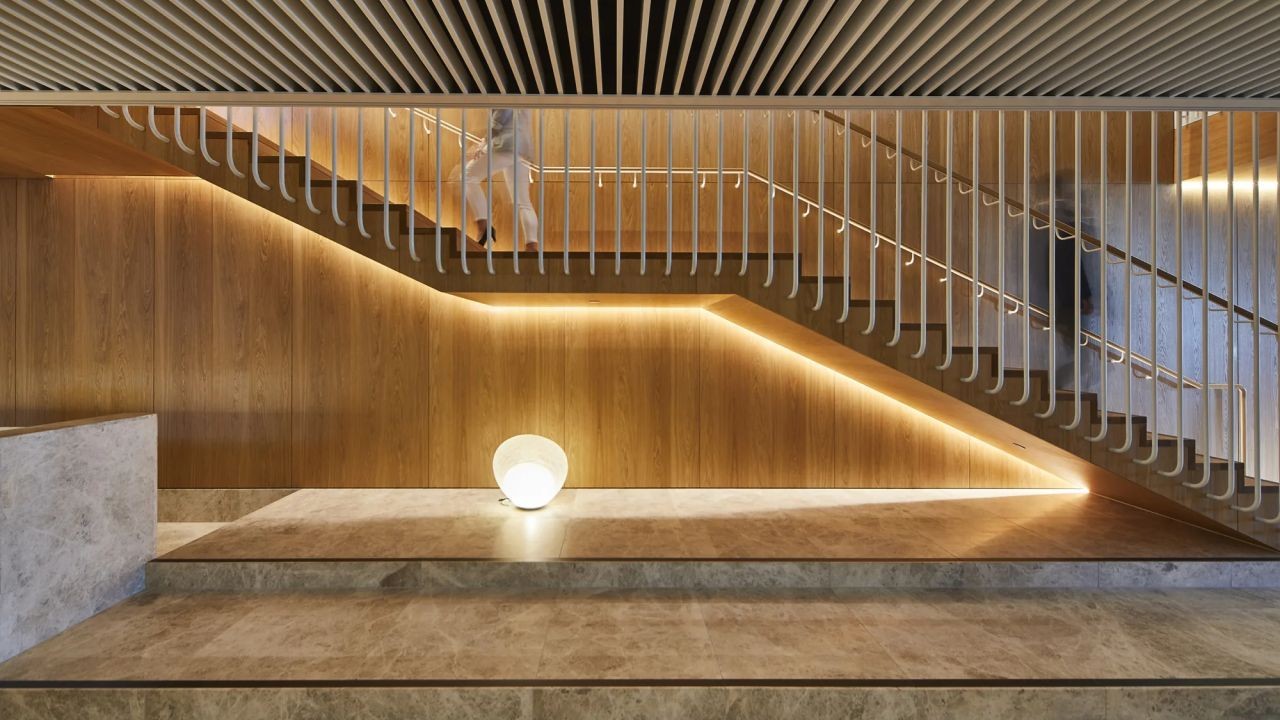
To gain a deeper understanding of how lighting design can enhance New Zealand interiors, we consulted Charlotte Green, a digital media strategist specializing in interior design. She emphasizes the importance of layering lighting to create depth and texture in a room. "Incorporating a mix of ambient, task, and accent lighting can transform a space, making it functional yet inviting," Green explains.
Green also highlights the role of color temperature in setting the mood. "Warm lighting, around 2700K, creates a cozy and intimate atmosphere, ideal for living rooms and bedrooms. In contrast, cooler lighting, around 4000K, is better suited for workspaces and kitchens where clarity and focus are essential," she adds.
Case Study: The Impact of Smart Lighting in a Wellington Home
Case Study: The Smith Family Residence – Achieving Energy Efficiency with Smart Lighting
Problem: The Smith family, residing in suburban Wellington, faced high electricity bills due to inefficient lighting systems. Their home, built in the 1990s, relied heavily on incandescent bulbs, resulting in excessive energy consumption and costs.
Action: To address this, the Smiths installed a comprehensive smart lighting system, incorporating LED bulbs and automated controls. They worked with a local lighting designer to strategically place ambient, task, and accent lighting throughout their home.
Result: Within six months, the Smiths reported a 35% reduction in their electricity bills. Additionally, the ability to control lighting remotely allowed them to adjust settings based on their daily schedules, further optimizing energy usage.
Takeaway: This case study underscores the effectiveness of smart lighting systems in enhancing energy efficiency. For New Zealand homeowners, investing in such technologies can lead to significant cost savings and contribute to the nation's sustainability goals.
Myths and Misconceptions in Lighting Design
- Myth: "Brighter lighting is always better." Reality: Excessive brightness can lead to discomfort and eye strain. Instead, balanced lighting that combines ambient, task, and accent sources is more effective. (Source: NZ Lighting Association)
- Myth: "LED lights are too harsh for home use." Reality: Modern LED technology offers a range of color temperatures and dimming capabilities, allowing for warm, inviting lighting that is both energy-efficient and aesthetically pleasing.
- Myth: "Smart lighting is too complex for the average user." Reality: User-friendly interfaces and integration with smart home systems make smart lighting accessible to all, providing convenience and control at the touch of a button.
Future Trends: The Next Frontier in Kiwi Lighting Design
Looking ahead, the future of lighting design in New Zealand is poised for further innovation. By 2030, it is predicted that over 60% of Kiwi homes will incorporate some form of smart lighting technology, driven by advancements in IoT and renewable energy integration (Source: MBIE Report 2023).
Additionally, the trend towards biophilic design—integrating natural elements into interiors—will continue to grow, with lighting playing a pivotal role in mimicking natural light patterns to enhance well-being and productivity.
Conclusion: Transform Your Space with Thoughtful Lighting Design
In conclusion, lighting design is a critical component of creating engaging and sustainable interiors in New Zealand. By embracing smart technologies and prioritizing energy-efficient solutions, homeowners can not only enhance the aesthetic appeal of their spaces but also contribute to the nation's environmental goals.
Final Takeaway & Call to Action: Consider how lighting can transform your home. Whether you're renovating or simply updating your current setup, explore smart lighting options that align with your lifestyle and sustainability objectives. Share your lighting transformation stories with us—what strategies have worked for you?
People Also Ask (FAQ)
- How does lighting design impact New Zealand homes? Thoughtful lighting design enhances aesthetic appeal and energy efficiency, crucial for New Zealand homes aiming to reduce carbon footprints.
- What are the biggest misconceptions about lighting design? A common myth is that brighter lighting is better. However, balanced lighting is key to comfort and energy efficiency.
- What upcoming changes in New Zealand could affect lighting design? By 2030, increased adoption of smart lighting technologies is expected to revolutionize energy consumption and design strategies in Kiwi homes.
Related Search Queries
- Smart lighting for New Zealand homes
- Energy-efficient lighting solutions NZ
- LED lighting trends 2023
- Biophilic design in Kiwi interiors
- Lighting design strategies for sustainable homes
- Smart home technology in New Zealand
- Natural light in interior design
- Lighting design myths debunked
- Future of lighting design in NZ
- How to optimize lighting for energy efficiency
For the full context and strategies on Lighting Design and Ambience Video Tips for Kiwi Interiors, see our main guide: Nz Home Decor Interior Styling Videos.