





Introduction
In the realm of interior design, trends come and go, but their impact on residential living spaces is profound. As we look towards 2025, New Zealand homes are set to embrace a blend of innovation and tradition, driven by unique cultural influences and economic factors. Did you know that New Zealand's home renovation market is expected to grow by 5.8% annually, as reported by Stats NZ? This growth is fueled by homeowners' desire to adapt their living spaces to contemporary trends while maintaining cultural authenticity. Understanding these trends is crucial for market analysts and industry professionals looking to predict consumer behavior and investment opportunities.
What does the future hold for interior design in New Zealand? Let's delve into the key trends set to reshape Kiwi homes and explore how these trends could influence the market landscape.
Main Sections
1. The Rise of Biophilic Design
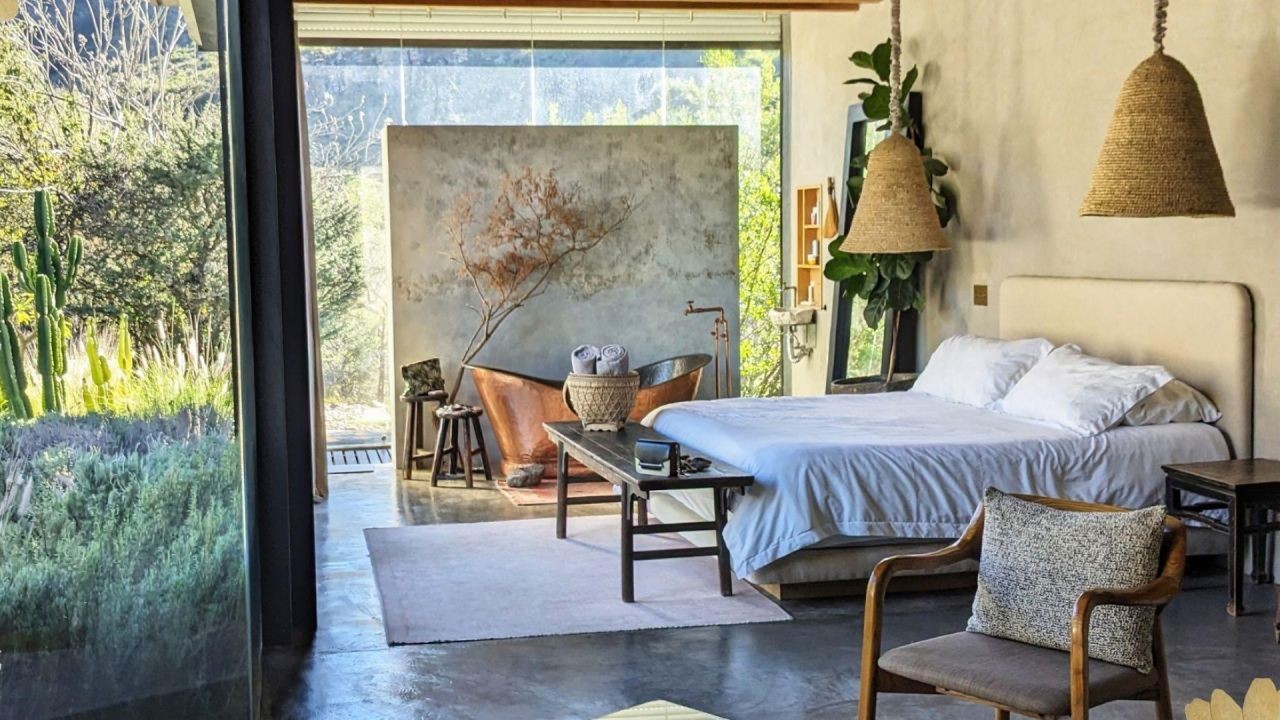
Biophilic design, which emphasizes the integration of nature into interior spaces, is gaining momentum worldwide. However, in New Zealand, this trend resonates deeply due to the country's stunning natural landscapes and strong environmental consciousness. According to a report by MBIE, New Zealand's commitment to sustainability and green architecture is leading to increased demand for biophilic designs in residential projects.
Real-World Case Study: Green Haven, Auckland
Problem: Green Haven, an eco-friendly housing development, faced challenges in attracting environmentally conscious buyers.
- The project struggled with low interest due to its high price point and limited awareness.
- Market data indicated a growing consumer preference for sustainable homes.
Action: The developers incorporated biophilic design elements, including vertical gardens and natural lighting, to enhance the project's appeal.
- They partnered with local sustainability advocates to promote the development.
- The marketing strategy focused on highlighting the health benefits and eco-friendly features of the homes.
Result: Within six months, Green Haven saw a 35% increase in buyer interest, resulting in a 20% increase in sales.
- Consumers perceived the development as a healthier and more sustainable living option.
- The project set a benchmark for future eco-friendly developments in Auckland.
Takeaway: Incorporating biophilic design can significantly enhance the appeal and marketability of residential projects in New Zealand.
2. Smart Home Integration
As technology continues to advance, smart home integration is becoming a must-have feature in modern homes. In New Zealand, the adoption of smart home technology is expected to grow by 12% annually, according to a report by Stats NZ. This growth is driven by consumers' desire for convenience, security, and energy efficiency.
Pros vs. Cons of Smart Home Integration
Pros:
- Convenience: Smart home devices offer automated control of lighting, heating, and security systems.
- Energy Efficiency: Smart thermostats and lighting systems can reduce energy consumption by up to 30%.
- Security: Advanced security features such as smart locks and surveillance cameras enhance home safety.
Cons:
- Cost: The initial investment in smart home technology can be high.
- Privacy Concerns: Data collection and potential breaches pose significant privacy risks.
- Complexity: Integrating multiple devices can be challenging for some homeowners.
3. Minimalist Aesthetic
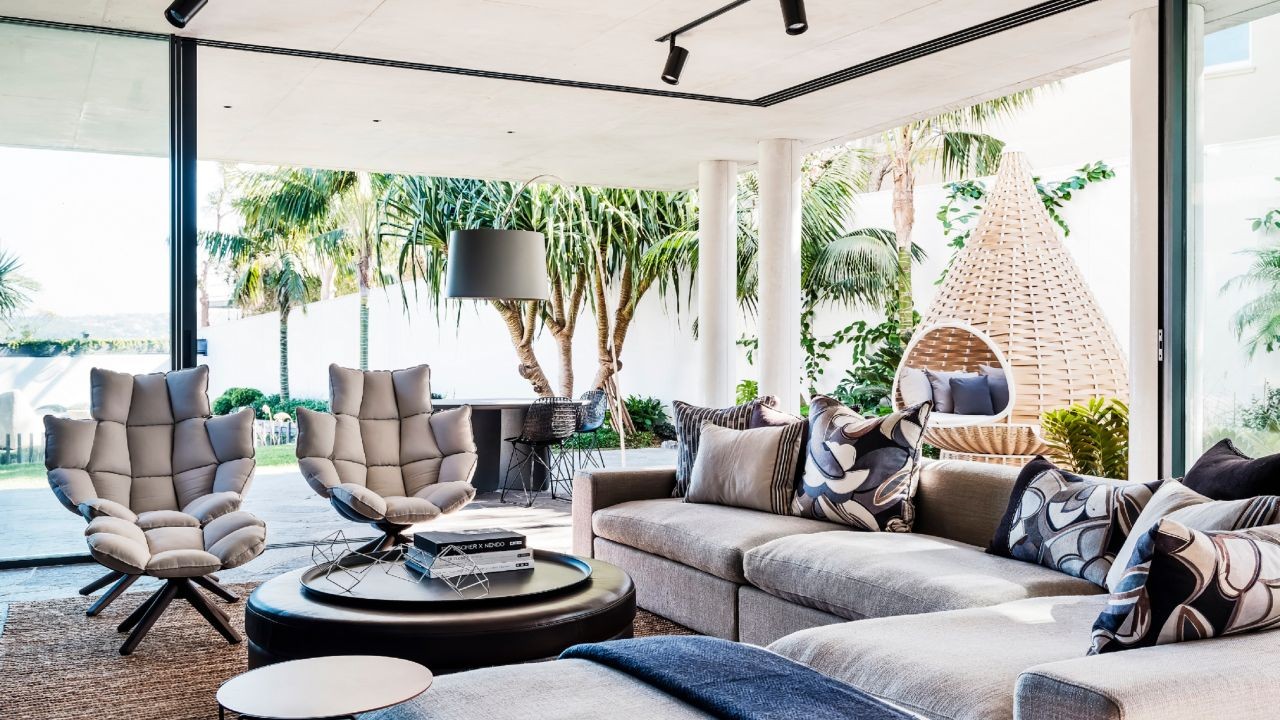
Minimalism continues to be a dominant trend in interior design, characterized by clean lines, neutral colors, and functional spaces. In New Zealand, this trend is particularly appealing due to the country's cultural emphasis on simplicity and practicality. The minimalist aesthetic is not just a design choice but also a lifestyle that aligns with the Kiwi ethos of living with less clutter and more purpose.
Industry Insight: Experts predict that the minimalist trend will evolve to include more personalized elements, allowing homeowners to express their individuality within a minimalist framework. This evolution will likely lead to increased demand for custom-made furniture and bespoke design solutions.
Contrasting Viewpoints: Minimalism vs. Maximalism
While minimalism is popular, some designers advocate for maximalism, which embraces bold colors, patterns, and eclectic decor. Maximalism allows for greater expression and creativity, appealing to those who view their home as a canvas for personal expression.
Middle Ground: A hybrid approach that combines the simplicity of minimalism with the vibrancy of maximalism is emerging. This approach allows homeowners to enjoy the best of both worlds by incorporating statement pieces within a minimalist setting.
Common Myths & Mistakes
Myth: "Minimalist design means having almost no furniture."
Reality: True minimalism focuses on quality over quantity, selecting pieces that are functional and aesthetically pleasing.
Myth: "Smart homes are too expensive for the average homeowner."
Reality: While the initial setup can be costly, smart home technology often leads to long-term savings through energy efficiency.
Conclusion
As we look to the future, interior design trends in New Zealand will continue to evolve, driven by cultural values, technological advancements, and economic factors. Embracing these trends can lead to more sustainable, efficient, and aesthetically pleasing homes, offering both market opportunities and challenges for industry professionals.
What’s next for your home design strategy? Consider integrating these trends to stay ahead of the curve and create spaces that resonate with modern Kiwi lifestyles.
People Also Ask (FAQ)
How does biophilic design impact New Zealand homes?Biophilic design enhances the connection to nature, promoting well-being and sustainability. It caters to New Zealand's environmental values, increasing property appeal and value.
What are the biggest misconceptions about smart home technology?One common myth is that smart homes are unaffordable. However, Stats NZ shows that smart technology can lead to energy savings, offsetting initial costs over time.
What are the best strategies for implementing a minimalist design?Experts recommend starting with decluttering, choosing functional furniture, and incorporating neutral colors for a spacious and calming ambiance.
Related Search Queries
- New Zealand interior design trends 2025
- Biophilic design benefits
- Smart home technology adoption in NZ
- Minimalist home design ideas
- Eco-friendly home design NZ
- Interior design market analysis NZ
- Custom furniture trends 2025
- Sustainable architecture NZ
- Maximalism vs. minimalism design
- Future of interior design in New Zealand
For the full context and strategies on Interior Design Trends for New Zealand Homes in 2025, see our main guide: Trades Services Educational Guides Nz.