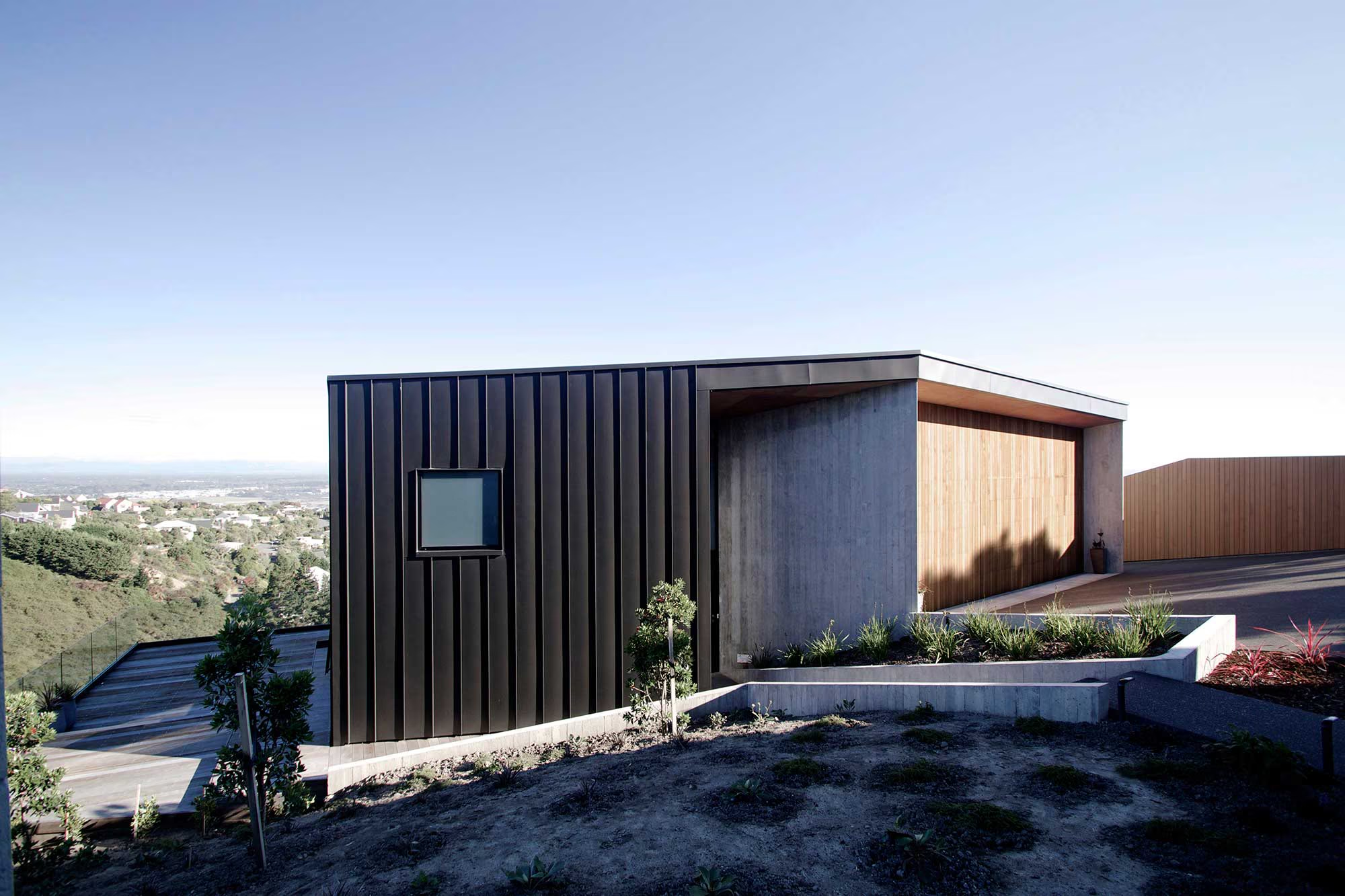






In the rapidly evolving world of property marketing, video content has emerged as a powerful tool for attracting and engaging potential buyers and tenants. In Australia, where the real estate sector contributes significantly to the national economy, understanding the nuances of video marketing strategies for both residential and commercial properties is crucial for stakeholders. This article delves into the strategic differences, market trends, and actionable insights that can help decision-makers enhance their video marketing efforts.
Understanding the Australian Real Estate Landscape
The Australian property market is a key pillar of the economy, with residential and commercial sectors both playing significant roles. According to the Australian Bureau of Statistics (ABS), the real estate sector accounted for approximately 12% of the GDP in 2023. This underscores the importance of effective marketing strategies in maintaining the sector's vitality.
While both residential and commercial properties benefit from video marketing, their approaches differ significantly. Residential marketing often focuses on emotional appeal, leveraging lifestyle imagery to attract potential buyers. On the other hand, commercial real estate marketing is more data-driven, emphasizing location benefits, infrastructure, and potential ROI.
Residential Property Video Marketing: Engaging the Heart
- Emotional Storytelling: Residential property videos often tell a story, highlighting the lifestyle and emotional benefits of the home. This is effective because, as per a study by the Real Estate Institute of Australia, 60% of home buyers are influenced by emotional factors when making a purchase.
- Aesthetic Visuals: High-quality visuals showcasing the property’s best features are crucial. Drone footage and virtual tours have become popular tools, offering potential buyers a comprehensive view of the property from the comfort of their homes.
- Short and Engaging: Attention spans are short, so residential property videos are typically kept under two minutes. This ensures the message is communicated quickly and effectively.
Commercial Property Video Marketing: Facts and Figures
- Data-Driven Content: Commercial property videos focus more on the numbers, including rental yields, occupancy rates, and nearby business opportunities. This appeals to investors who prioritize financial returns.
- Location and Infrastructure: Emphasizing the location's strategic advantages, such as proximity to transport hubs and business districts, is essential. According to JLL Australia, properties in well-connected areas have seen a 15% increase in investor interest.
- Longer Format: Unlike residential videos, commercial property videos can afford to be longer, providing detailed analysis and insights to attract serious investors.
Case Study: Successful Video Marketing in the Australian Property Market
Case Study: Mirvac Group – Leveraging Video Content for Residential Success
Problem: Mirvac Group, a leading Australian property developer, faced challenges in engaging potential buyers during the COVID-19 pandemic when physical inspections were limited.
Action: The company invested in high-quality video content, including virtual tours and drone footage, to showcase its properties. By integrating storytelling with visual aesthetics, Mirvac was able to convey the emotional and practical benefits of its developments.
Result: Mirvac reported a 30% increase in online engagement and a 20% rise in inquiries within six months. This success highlights the effectiveness of adapting video marketing strategies to changing market conditions.
Takeaway: The case of Mirvac demonstrates the power of video marketing in overcoming physical barriers and connecting with potential buyers on an emotional level. Australian property marketers can draw on this example to enhance their strategies, particularly in the residential sector.
Pros and Cons of Video Marketing in Property
Pros:
- Enhanced Engagement: Video content typically sees higher engagement rates compared to static images or text.
- Wider Reach: Videos can be easily shared across platforms, expanding the property's audience.
- Emotional Connection: Particularly for residential properties, videos create an emotional connection with potential buyers.
Cons:
- High Production Costs: Producing high-quality video content can be expensive.
- Resource Intensive: Requires time and expertise to produce effective video content.
- Short Attention Span: Videos need to capture attention quickly, or risk losing viewers early.
Common Myths and Mistakes in Property Video Marketing
Myth: "Longer videos are more informative." Reality: In fact, shorter videos often perform better in holding viewer attention. Research shows that videos over two minutes see a drop-off in viewer engagement.
Myth: "High-tech gadgets guarantee success." Reality: While technology can enhance video quality, the content's narrative and emotional appeal ultimately drive success.
Future Trends in Property Video Marketing
The future of property video marketing in Australia leans towards increased personalization and the use of augmented reality (AR). According to a report by Deloitte, AR in real estate is expected to grow by 30% annually, offering immersive experiences that could revolutionize property viewings.
Additionally, as sustainability becomes a key focus, showcasing eco-friendly features through video content will become essential. Aligning with Australia's commitment to net-zero emissions by 2050, properties with sustainable features will likely see increased demand.
Conclusion
In conclusion, video marketing is an indispensable tool in the Australian property market, with distinct strategies required for residential and commercial properties. By understanding these nuances and leveraging the latest technological advancements, stakeholders can enhance their marketing efforts and achieve greater success. As the market evolves, staying ahead of trends and adapting strategies will be key to maintaining a competitive edge.
Call to Action
Are you ready to elevate your property marketing strategy? Join our newsletter for exclusive insights and tips on leveraging video marketing in the Australian real estate sector. Share your thoughts and experiences in the comments below!
People Also Ask
- How does video marketing impact property sales in Australia? Video marketing significantly enhances property visibility and engagement, with studies showing a 20% increase in inquiries for properties with video content.
- What are the biggest misconceptions about video marketing in real estate? A common myth is that longer videos are more effective, whereas shorter, engaging content often yields better results.
- What are the best strategies for implementing video marketing in property? Start with high-quality visuals, incorporate emotional storytelling, and ensure the content is concise to capture viewer attention effectively.
Related Search Queries
- Video marketing strategies for real estate in Australia
- Residential property video marketing tips
- Commercial property marketing strategies
- How to create effective property videos
- Real estate video marketing trends 2025
For the full context and strategies on Residential vs Commercial Property Video Marketing Strategies in AU, see our main guide: Australian Property Real Estate.