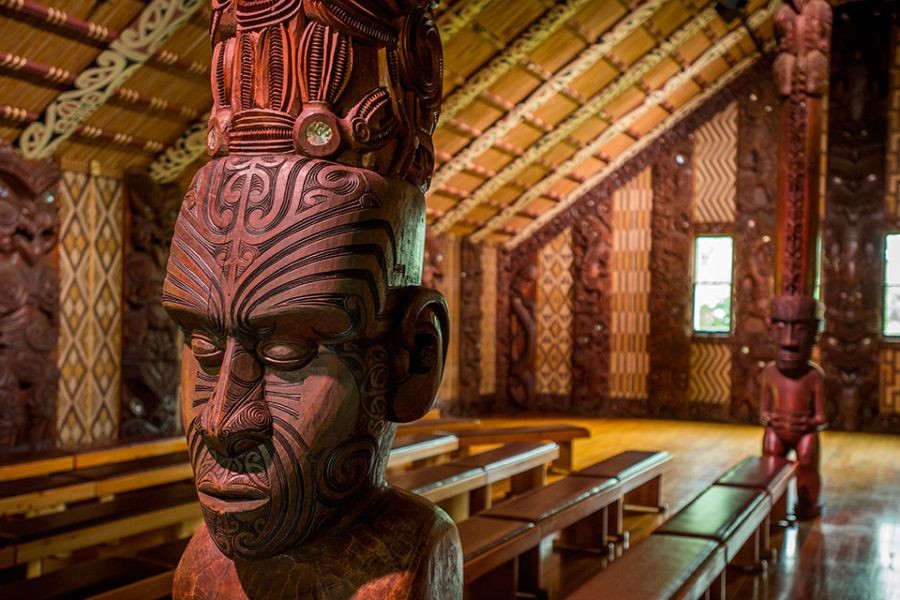






In the dynamic world of tourism, the power of storytelling through local lifestyle and culture has emerged as a transformative force. As Australia seeks to captivate global travelers, video marketing centered on these themes offers a compelling opportunity. This article delves into how local lifestyle and culture video marketing can revolutionize Australian tourism, backed by data-driven insights and real-world examples.
Understanding the Impact of Video Marketing in Tourism
Video marketing is no longer a supplementary strategy; it has become a cornerstone of effective tourism marketing. According to a report by the Australian Bureau of Statistics (ABS), tourism contributed AUD 60.8 billion to Australia's GDP in 2022, highlighting the sector's significance to the national economy. The use of videos showcasing local culture and lifestyle can enhance this contribution by attracting more visitors.
The Appeal of Authenticity
Travelers today crave authentic experiences. They want to immerse themselves in the local culture, savor regional cuisines, and participate in indigenous traditions. Video marketing provides a dynamic platform to convey these experiences, offering potential tourists a preview of what awaits them. For instance, Tourism Australia’s "There's Nothing Like Australia" campaign effectively utilized videos to showcase the country’s unique landscapes and cultural experiences, significantly boosting international visitor numbers.
Case Study: Melbourne's Cultural Renaissance
Problem: Melbourne faced declining tourist numbers due to perceptions of it being a mere business hub.
Action: The city launched a video marketing campaign highlighting its vibrant arts scene, culinary diversity, and cultural festivals.
Result: Visitor numbers increased by 12% within a year, and the campaign won several international awards for its creative storytelling.
Takeaway: Authentic portrayal of local culture can significantly enhance a destination's appeal.
The Role of Technology in Video Marketing
Advancements in technology have revolutionized video marketing strategies. Drones, 360-degree cameras, and virtual reality (VR) provide immersive experiences, allowing potential tourists to explore destinations virtually before making travel decisions. As digital connectivity improves, especially in rural areas, Australian tourism operators can leverage these technologies to promote lesser-known locales.
Pros and Cons of Technology-Driven Marketing
- Pros: Enhanced engagement through interactive content, expanded reach via social media platforms, and improved conversion rates.
- Cons: High initial investment in technology, potential technical challenges, and the need for continuous content updates to maintain relevance.
Regulatory Insights: Ensuring Ethical Marketing Practices
The Australian Competition & Consumer Commission (ACCC) emphasizes the importance of ethical practices in marketing. Tourism operators must ensure that their marketing materials accurately represent the experiences offered. Misleading advertisements can lead to penalties and damage to reputation. Thus, while video marketing is a powerful tool, it must be used responsibly to build trust and authenticity.
Common Myths in Tourism Video Marketing
- Myth: High production value guarantees success. Reality: Content authenticity is more critical than production quality. Engaging storytelling can outperform high-budget videos.
- Myth: Longer videos capture more attention. Reality: Short, impactful videos are more effective in retaining viewer interest and increasing engagement.
- Myth: Only popular destinations need video marketing. Reality: Lesser-known destinations can benefit significantly from video marketing by highlighting unique cultural aspects.
Future Trends and Predictions
Looking ahead, video marketing is poised to evolve with emerging technologies such as AI-driven content personalization and augmented reality (AR). By 2026, it's predicted that AR could become a mainstream tool in tourism marketing, allowing users to experience destinations in new, interactive ways. This aligns with Australia's push toward digital innovation, as outlined by the Australian Government's Digital Transformation Strategy.
Conclusion
Local lifestyle and culture video marketing offers Australian tourism a unique opportunity to connect with global audiences, driving economic growth and cultural appreciation. By embracing authentic storytelling, leveraging advanced technologies, and adhering to ethical marketing practices, Australia can position itself as a leading destination for travelers seeking immersive experiences.
To stay updated on the latest trends in tourism marketing, consider subscribing to industry newsletters or joining professional networks. Share your thoughts and experiences in the comments below—how has video marketing influenced your travel choices?
People Also Ask (FAQ)
How does video marketing impact tourism in Australia?Video marketing enhances tourism by showcasing authentic local experiences, leading to increased visitor engagement and economic growth, according to the ABS.
What are the best strategies for implementing video marketing in tourism?Experts recommend focusing on authentic storytelling, utilizing technology like VR, and ensuring ethical practices to effectively reach and engage potential tourists.
What upcoming changes in Australia could affect tourism marketing?By 2026, advances in AR technology could revolutionize how destinations are marketed, offering more interactive and personalized experiences for travelers.
Related Search Queries
- Australian tourism trends 2023
- Video marketing strategies for travel
- Impact of digital marketing on tourism
- Local culture in Australian tourism
- Advancements in tourism technology
For the full context and strategies on Local Lifestyle & Culture Video Marketing for Australian Tourism, see our main guide: Event Festival Videos Australia.