






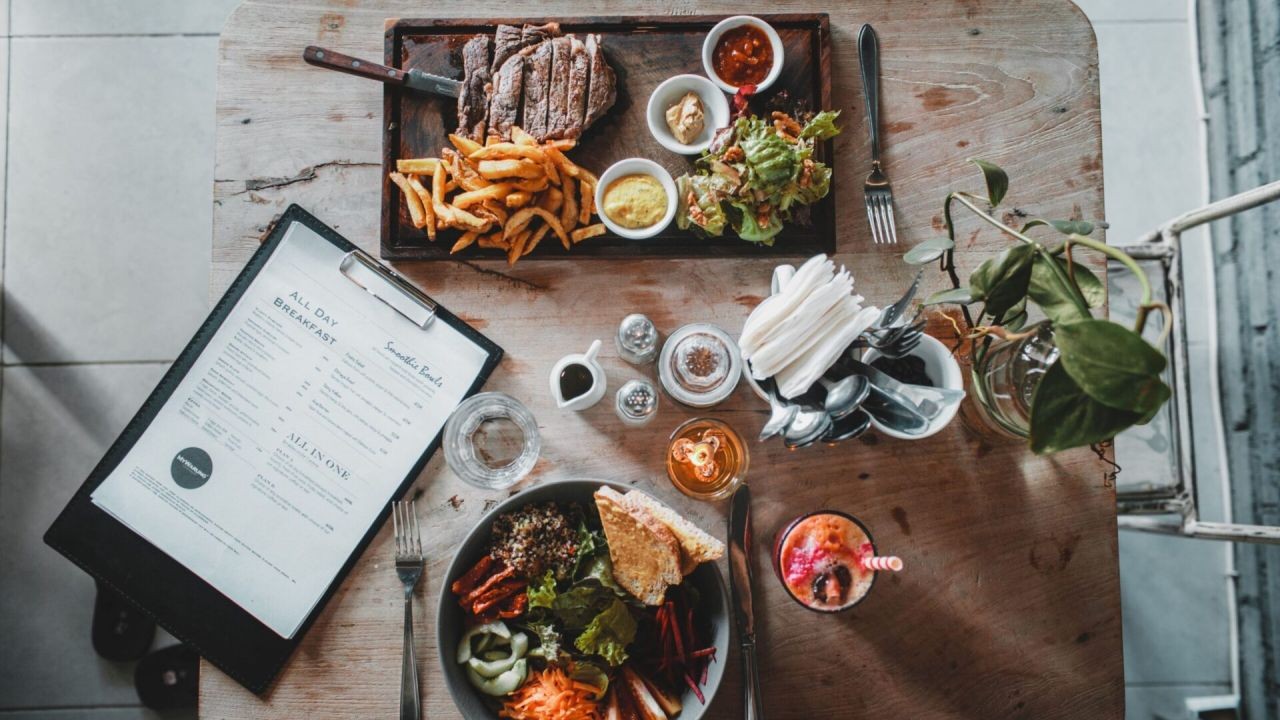
In the rapidly evolving landscape of digital commerce, shoppable menu and dish videos are proving to be a game-changer for the hospitality industry, particularly in Australia. This innovative approach combines visual storytelling with e-commerce functionality, allowing consumers to engage with and purchase products directly through interactive videos. As consumer preferences shift towards more immersive and convenient digital experiences, businesses in Australia are increasingly adopting this strategy to drive orders and enhance customer engagement.
Understanding Shoppable Menu & Dish Videos
Shoppable menu and dish videos integrate e-commerce elements within video content, enabling viewers to directly purchase featured items. This approach leverages the power of visual content, which is known to significantly boost engagement and conversion rates. According to a study by Vidude.com, videos that include shoppable features see an average increase of 30% in conversion rates compared to non-interactive videos.
Why This Matters for Australia's Hospitality Industry
The Australian Bureau of Statistics (ABS) reported that the hospitality industry contributes significantly to the national economy, accounting for approximately 3% of the GDP. With the sector experiencing a 15% decline in revenue during the pandemic, innovative solutions like shoppable videos offer a much-needed boost. By enhancing customer interaction and streamlining the purchasing process, these videos can drive sales and recover lost revenues.
Case Study: A Melbourne Restaurant’s Success Story
Problem: A popular Melbourne-based restaurant, faced declining foot traffic and a subsequent drop in sales due to COVID-19 restrictions.
Action: The restaurant implemented shoppable dish videos on its website and social media platforms, showcasing signature dishes with clickable elements for direct ordering.
Result: Within three months, the restaurant reported a 40% increase in online orders and a 25% increase in overall revenue. Customer engagement on their social media platforms also saw a significant uptick, with video content receiving 50% more interactions compared to static posts.
Takeaway: This case illustrates the effectiveness of integrating shoppable videos into digital marketing strategies, particularly in a recovering market like Australia’s hospitality industry.
Pros and Cons of Shoppable Videos
- Pros:
- Higher Engagement: Visual content is more engaging, leading to higher customer interaction rates.
- Increased Conversion Rates: Direct purchasing options streamline the sales funnel, resulting in higher conversions.
- Brand Visibility: Interactive videos enhance brand presence across social media platforms.
- Cons:
- Technical Challenges: Implementing shoppable features requires technical expertise and can involve a steep learning curve.
- Initial Costs: High-quality video production and platform integration can be costly.
- Privacy Concerns: Collecting consumer data for personalization must comply with data protection regulations.
Comparing Global and Australian Adoption Trends
Globally, the adoption of shoppable videos is on the rise, with markets like the US and China leading the charge. Australian businesses are catching up, driven by the increasing demand for digital engagement tools. According to a report by Deloitte, 65% of Australian retailers plan to implement shoppable video technology within the next two years.
Regulatory Considerations
The implementation of shoppable videos must adhere to regulations set by the Australian Competition & Consumer Commission (ACCC) regarding advertising transparency and consumer protection. Businesses must ensure that their content is not misleading and that any data collected complies with the Privacy Act 1988.
Future Trends and Predictions
Looking ahead, the integration of artificial intelligence (AI) and machine learning in shoppable videos is set to revolutionize consumer interaction. AI can personalize content based on consumer behavior, enhancing the effectiveness of shoppable videos. By 2028, it's predicted that AI-driven shoppable content will account for 40% of all online retail sales in Australia, as per a forecast by CSIRO.
Conclusion
As Australian businesses continue to navigate the digital transformation landscape, shoppable menu and dish videos present a promising opportunity to enhance consumer engagement and drive sales. By addressing technical challenges and adhering to regulatory guidelines, businesses can harness the full potential of this innovative approach.
Final Takeaway: For Australian businesses looking to stay ahead in a competitive market, integrating shoppable videos into their digital strategy is not just an option but a necessity. As technology advances, those who adapt quickly will reap the benefits of increased consumer engagement and sales.
People Also Ask
- How do shoppable videos impact Australian businesses?
Shoppable videos increase engagement and conversion rates, with Australian businesses reporting up to 30% higher sales, according to Vidude.com.
- What are the biggest misconceptions about shoppable videos?
A common myth is that they are too expensive to implement, but starting small with social media platforms can offer a cost-effective entry point.
- What is the future of shoppable videos in Australia?
By 2028, AI-driven shoppable content is predicted to account for 40% of online retail sales, as per CSIRO forecasts.
Related Search Queries
- Shoppable video technology in Australia
- Interactive video marketing trends 2025
- How to create shoppable videos
- Impact of shoppable videos on sales
- Shoppable videos vs. traditional e-commerce
For the full context and strategies on Shoppable Menu & Dish Videos That Drive Australian Orders, see our main guide: Tourism Lifestyle Brand Videos Australia.