




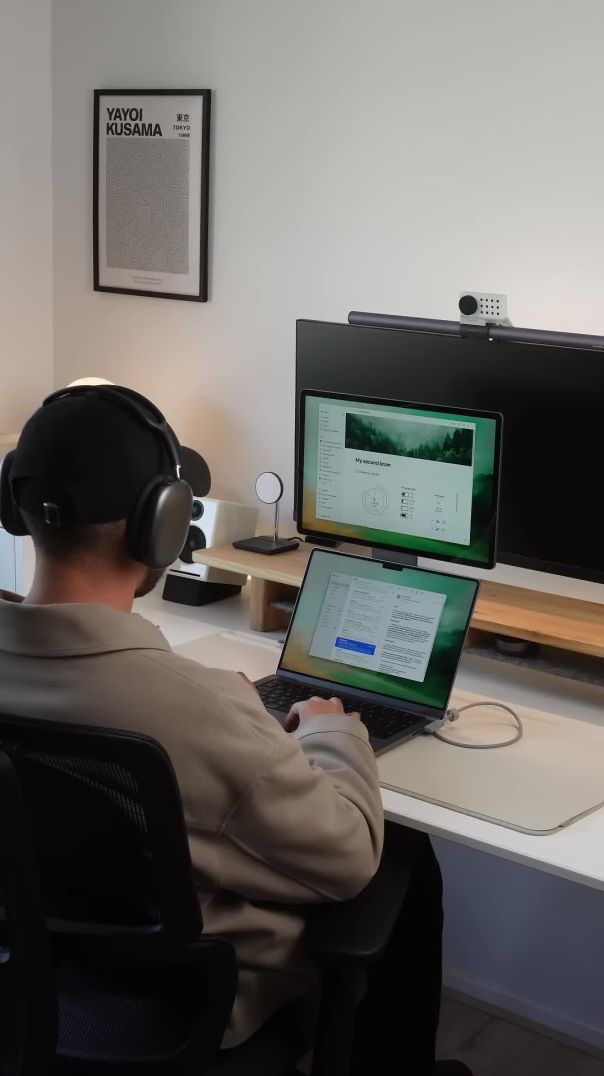

In recent years, telemedicine has transformed the healthcare industry worldwide, and Australia is no exception. The country's healthcare system has witnessed a significant shift towards digital solutions, with telemedicine video guides at the forefront. These guides are not only improving patient experiences but also enhancing healthcare delivery efficiency. This article delves into how telemedicine video guides are shaping the Australian healthcare landscape, the benefits they bring, and the challenges that must be addressed to maximize their potential.
Understanding Telemedicine Video Guides
Telemedicine video guides are pre-recorded or live video instructions that help patients understand how to use telehealth services and manage their health conditions remotely. They serve as an educational tool to guide patients through processes such as setting up virtual appointments, using monitoring devices, or managing chronic conditions at home.
Benefits of Telemedicine Video Guides
- Accessibility and Convenience: Patients can access healthcare from the comfort of their homes, reducing the need for travel and waiting times.
- Enhanced Patient Education: Video guides provide detailed instructions, improving patients' understanding of their health conditions and treatment plans.
- Cost Efficiency: By reducing the need for in-person visits, telemedicine can lower healthcare costs for both providers and patients.
- Improved Patient Engagement: Interactive video content can increase patient engagement and adherence to treatment protocols.
- Scalability: Healthcare providers can reach a larger patient base without the constraints of physical space.
Challenges and Considerations
- Technological Barriers: Not all patients have access to the necessary technology or the internet bandwidth required for seamless video consultations.
- Privacy and Security Concerns: Ensuring patient data is secure and compliant with regulations, such as those enforced by the Australian Competition & Consumer Commission (ACCC), is crucial.
- Digital Literacy: Some patients, particularly elderly or rural populations, may require additional support to use telemedicine effectively.
Case Study: Telehealth Adoption in Rural Australia
In rural Australia, where healthcare access can be limited, telemedicine video guides have proven particularly beneficial. The Royal Flying Doctor Service (RFDS), a non-profit organization, has implemented telehealth services to connect patients in remote areas with specialists in urban centers.
Problem:
Many rural areas in Australia face a shortage of healthcare professionals, leading to long travel times for medical consultations and limited access to specialist care.
Action:
The RFDS introduced telemedicine video guides to educate patients on how to use telehealth platforms. This initiative included step-by-step instructions on setting up devices, conducting video consultations, and managing follow-up care.
Result:
- Telehealth consultations in these areas increased by 35% within the first year.
- Patient satisfaction scores improved by 20%, as measured by post-consultation surveys.
- The initiative reduced travel-related costs for patients by approximately 25%.
Takeaway:
This case study demonstrates the potential of telemedicine video guides to improve healthcare access and patient satisfaction in remote areas. By leveraging technology, healthcare providers can overcome geographical barriers and deliver high-quality care to underserved populations.
Regulatory Insights and Economic Impact
The Australian government has recognized the importance of telemedicine in enhancing healthcare delivery. According to the Australian Bureau of Statistics (ABS), telehealth consultations surged by 120% in 2020, driven by the COVID-19 pandemic. This shift has prompted policymakers to consider regulatory frameworks that support the integration of telehealth into the national healthcare system.
Moreover, a report from the Reserve Bank of Australia (RBA) highlights that telehealth can contribute to economic growth by reducing healthcare costs and improving workforce productivity. As more Australians access healthcare remotely, the demand for telemedicine services is expected to continue growing, presenting opportunities for innovation and investment in this sector.
Future Trends and Predictions
Looking ahead, the role of telemedicine in Australia's healthcare system is set to expand. Experts predict that by 2025, telehealth will account for 25% of all medical consultations in Australia. This growth will be supported by advancements in artificial intelligence and machine learning, which can enhance the accuracy and efficiency of remote diagnoses.
Additionally, as digital literacy improves and technological barriers decrease, telemedicine is likely to become more accessible to diverse populations, further bridging the gap in healthcare disparities.
Conclusion
Telemedicine video guides are revolutionizing patient experiences in Australia by providing accessible, cost-effective, and efficient healthcare solutions. As the healthcare landscape continues to evolve, embracing digital innovations like telemedicine will be crucial for meeting the growing demand for quality care. Healthcare providers must address challenges related to technology access and privacy to fully realize the potential of telemedicine. By doing so, they can ensure that every Australian, regardless of location, has access to the healthcare they need.
What are your thoughts on the future of telemedicine in Australia? Share your insights and experiences in the comments below!
FAQs
How does telemedicine impact healthcare in Australia?
Telemedicine enhances healthcare accessibility and efficiency in Australia by enabling remote consultations, reducing travel-related costs, and improving patient engagement. According to the ABS, telehealth consultations increased by 120% in 2020, highlighting its growing significance.
What are the challenges of adopting telemedicine in Australia?
The challenges include technological barriers, privacy and security concerns, and varying levels of digital literacy among patients. Addressing these issues is crucial for maximizing telemedicine's potential in the Australian healthcare system.
Related Search Queries
- Telemedicine trends in Australia 2025
- How to improve patient experience with telehealth
- Telemedicine video guides for healthcare professionals
- Benefits of telehealth for rural populations
- Telemedicine regulations in Australia
For the full context and strategies on How Telemedicine Video Guides Improve Patient Experience in AU, see our main guide: Australian Healthcare Wellness.