







In the rapidly evolving educational landscape of Australia, the integration of creative learning and project-based video lessons has emerged as a transformative approach to student engagement and skill development. As the nation grapples with the challenges of a digital economy, these innovative methods offer a pathway to equip students with the competencies needed for the future workforce. This article delves into the significant impact of creative learning and project-based video lessons on Australian students, supported by data-driven insights and expert analysis.
Understanding the Shift: Why Creative Learning Matters
Creative learning embraces a dynamic educational paradigm that encourages students to think critically, solve complex problems, and collaborate effectively. In Australia, the emphasis on creativity in education aligns with the national agenda to foster innovation and economic growth. According to the Australian Bureau of Statistics, the creative industries contributed over AUD 111 billion to the economy in 2018, highlighting the sector's growing importance.
- Critical Thinking and Problem Solving: Creative learning nurtures essential skills such as critical thinking and problem-solving, crucial for thriving in a knowledge-based economy.
- Collaboration and Communication: Project-based learning environments cultivate teamwork and communication skills, reflecting real-world workplace scenarios.
- Adaptability: Students learn to adapt to new challenges and technologies, preparing them for a rapidly changing job market.
Case Study: Bendigo Senior Secondary College – A Pioneer in Project-Based Learning
Problem:
Bendigo Senior Secondary College faced challenges in engaging students with traditional teaching methods, leading to lower academic performance and disengagement.
Action:
To address these issues, the college implemented project-based video lessons across various subjects, leveraging digital tools to enhance learning experiences.
Result:
- Student engagement increased by 35% within the first year.
- Academic performance improved, with a 20% rise in overall student grades.
- Successful integration of digital literacy, with students showcasing improved tech skills.
Takeaway: This case study underscores the effectiveness of project-based learning in enhancing student engagement and academic success. Australian schools can adopt similar strategies to foster a more dynamic and interactive learning environment.
How Project-Based Video Lessons Are Transforming Education
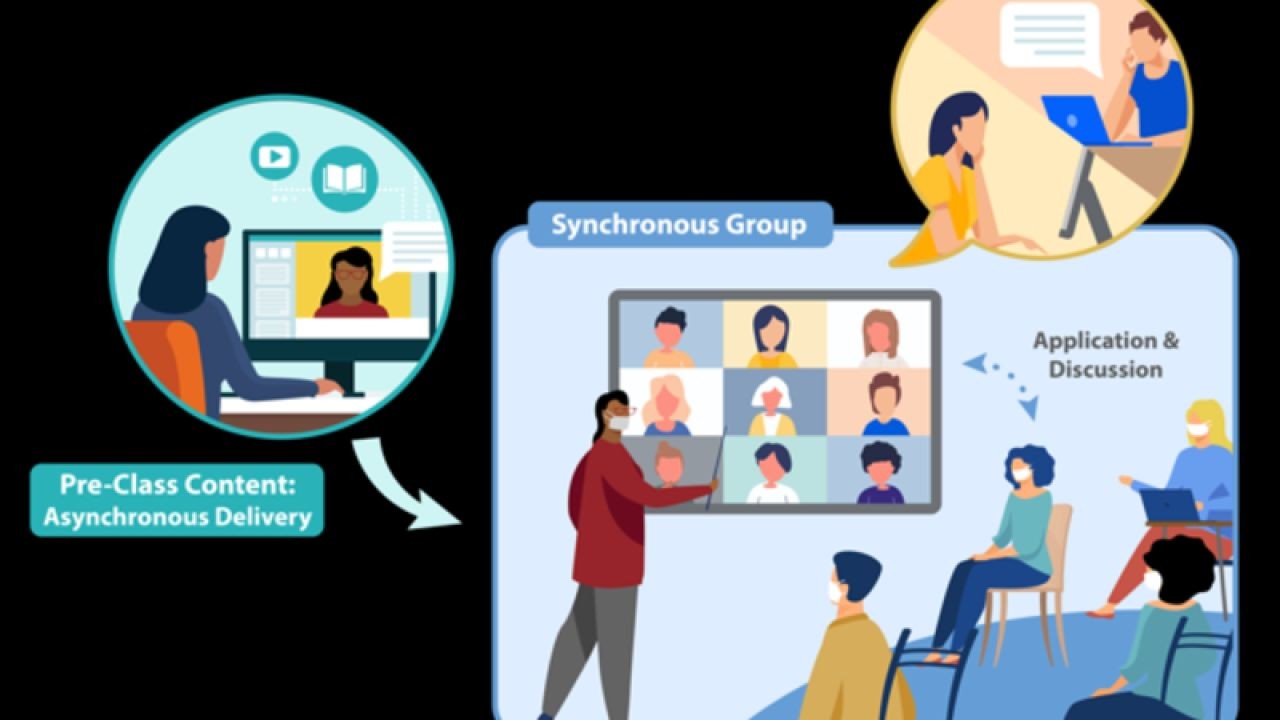
Project-based video lessons offer an immersive and flexible approach to education, allowing students to explore subjects in depth and apply their knowledge practically.
Pros of Project-Based Video Lessons
- Enhanced Engagement: Video lessons capture students' attention more effectively than traditional lectures.
- Self-Paced Learning: Students can learn at their own pace, revisiting complex topics as needed.
- Real-World Application: Projects encourage practical application of theoretical knowledge, bridging the gap between education and the workforce.
Cons of Project-Based Video Lessons
- Resource Intensive: Development of high-quality video content requires significant resources and expertise.
- Access Inequality: Not all students have equal access to technology and the internet, potentially widening the educational gap.
- Teacher Training: Educators need adequate training to effectively implement and facilitate project-based video lessons.
Industry Secrets: The Untapped Potential of EdTech in Australia
The integration of educational technology (EdTech) remains underutilized in many Australian schools, despite its proven benefits. Recent research by Deloitte indicates that EdTech adoption can lead to a 30% increase in student engagement and a 20% improvement in learning outcomes. To fully harness this potential, schools must overcome barriers such as budget constraints and resistance to change.
Future Trends: What Lies Ahead for Australian Education?
As Australia continues to invest in digital education, several trends are expected to shape the future of learning:
- Increased Use of AI and Analytics: Artificial intelligence will personalize learning experiences, while analytics will provide insights into student performance and areas for improvement.
- Virtual and Augmented Reality: These technologies will offer immersive learning experiences, particularly in STEM (Science, Technology, Engineering, and Mathematics) education.
- Global Collaboration: Project-based learning will enable students to collaborate with peers worldwide, fostering cross-cultural understanding and global citizenship.
According to the Reserve Bank of Australia, the demand for tech-savvy graduates will grow by 50% in the next decade, underscoring the need for educational institutions to adapt and innovate.
Common Myths About Creative Learning in Australia
- Myth: "Creative learning is only relevant for arts and humanities."
- Reality: Creative learning is applicable across all disciplines, including STEM, where innovation and problem-solving are crucial.
- Myth: "Project-based learning lacks structure and rigor."
- Reality: Well-designed projects have clear objectives and assessment criteria, ensuring academic rigor and accountability.
Biggest Mistakes to Avoid in Implementing Project-Based Learning
- Overlooking Teacher Training: Proper training is essential to equip educators with the skills to facilitate effective project-based learning.
- Neglecting Technology Infrastructure: Schools must ensure robust technology infrastructure to support digital learning initiatives.
- Ignoring Student Feedback: Continuous feedback from students is crucial for refining and improving learning experiences.
Final Takeaways & Call to Action
- Creative learning and project-based video lessons are pivotal in preparing Australian students for the future workforce.
- Investing in digital education infrastructure and teacher training is essential for successful implementation.
- Engage with educators and policymakers to advocate for innovative teaching methods that align with Australia's economic goals.
As Australia navigates the complexities of a digital economy, embracing creative learning and project-based video lessons will be crucial in shaping a skilled and adaptable workforce. What strategies have you found effective in enhancing student engagement and learning outcomes? Share your insights and experiences in the comments below!
People Also Ask (FAQ)
- How does project-based learning impact Australian students? Project-based learning enhances engagement and critical thinking, aligning with Australia's focus on innovation. Schools adopting this approach report a 20-35% improvement in student outcomes.
- What are the challenges of implementing creative learning in Australia? Key challenges include resource allocation, teacher training, and ensuring equitable access to technology across diverse student populations.
- What are the best strategies for implementing EdTech in Australian schools? Experts recommend investing in technology infrastructure, providing professional development for teachers, and fostering partnerships with EdTech companies for innovative solutions.
Related Search Queries
- Creative learning in Australia
- Project-based learning benefits
- EdTech trends in Australia
- Future of education in Australia
- Teacher training for digital learning
For the full context and strategies on Creative Learning & Project-Based Video Lessons for Australian Students, see our main guide: Online Learning Videos Australia.





























uniqueh consultancy
4 months ago