






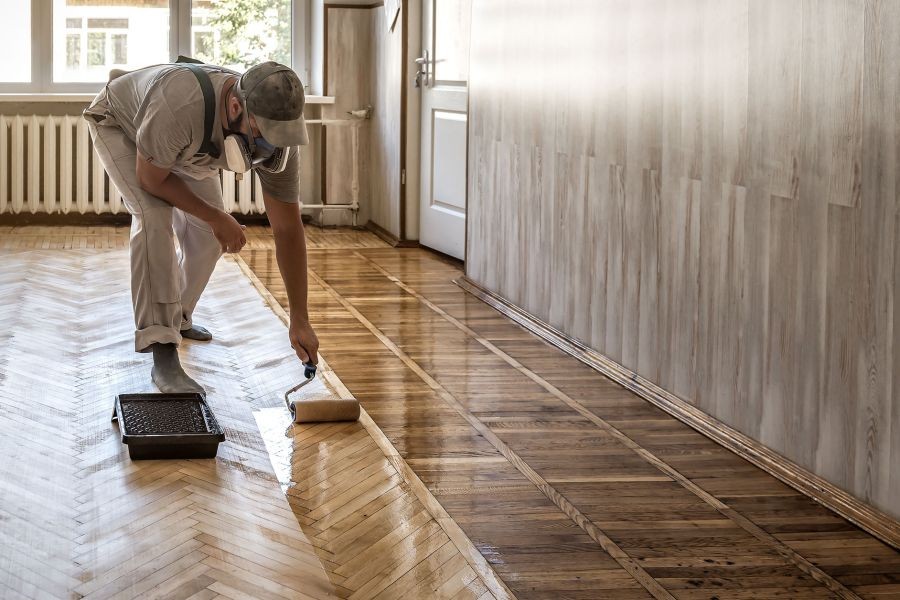
Choosing the right flooring for your home is not a decision to be taken lightly, especially as we approach 2025. With a plethora of options available in the market, making the right choice requires an understanding of trends, materials, and the specific needs of Australian homes. As an export and trade specialist, understanding the dynamics of the flooring industry is crucial, not just for personal decisions, but for leveraging business opportunities in the Australian market.
Understanding the Flooring Market in Australia
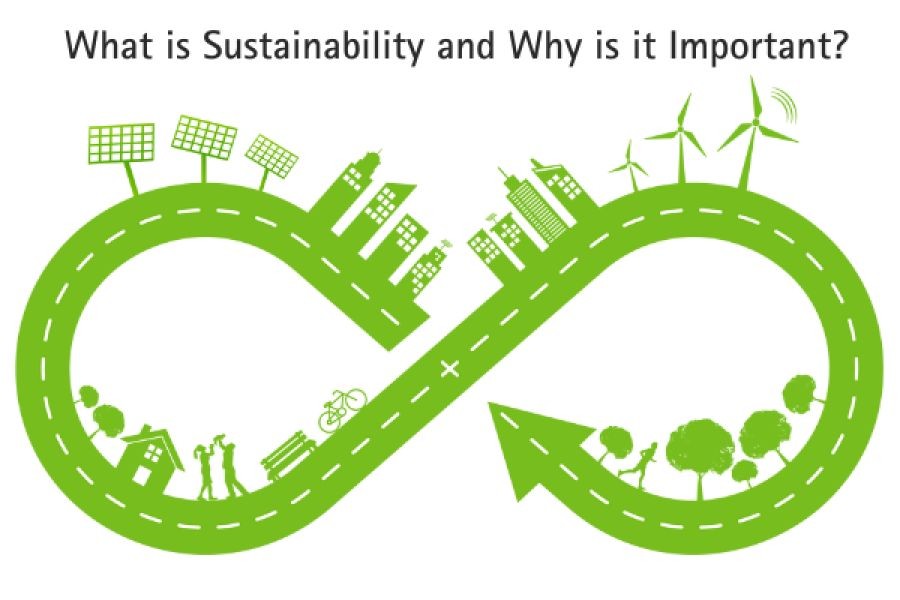
In Australia, the flooring market is experiencing a significant transformation, driven by shifts in consumer preferences and advancements in technology. According to the Australian Bureau of Statistics, the demand for sustainable and eco-friendly flooring materials has increased by 30% over the past five years. This trend is largely influenced by the growing awareness of environmental issues and the government's push towards sustainable development.
Trends Shaping the Industry
- Sustainability: Consumers are increasingly opting for eco-friendly options like bamboo and cork, which are renewable resources. These materials are not only environmentally friendly but also offer durability and aesthetic appeal.
- Technological Advancements: Innovations such as 3D printing and digital design have made it possible to create intricate flooring patterns that were previously impossible. This has opened new avenues for customization.
- Smart Flooring: With the rise of smart homes, flooring that integrates with digital ecosystems is gaining popularity. This includes materials embedded with sensors to regulate heating or monitor foot traffic.
Choosing the Right Flooring Material
When selecting flooring, it's essential to consider factors such as durability, maintenance, aesthetics, and cost. Here are some popular options available in Australia:
Hardwood Flooring
Hardwood flooring remains a timeless choice due to its durability and elegance. Australian timbers like Jarrah and Tasmanian Oak are highly sought after for their rich colors and strength. However, the cost can be a deterrent for some homeowners.
Laminate Flooring
Laminate flooring offers a cost-effective alternative to hardwood. It mimics the appearance of wood while providing resistance to scratches and moisture. It's an ideal choice for high-traffic areas.
Vinyl Flooring
Vinyl is known for its versatility and affordability. It comes in various designs and is water-resistant, making it suitable for kitchens and bathrooms. Recent advancements have improved its durability and eco-friendliness.
Pros and Cons of Popular Flooring Options
Hardwood Flooring
- Pros: Long-lasting, adds value to the home, natural beauty.
- Cons: Expensive, requires regular maintenance, susceptible to moisture.
Laminate Flooring
- Pros: Affordable, easy to install, resistant to scratches.
- Cons: Can be noisy, not as durable as hardwood, less eco-friendly.
Vinyl Flooring
- Pros: Water-resistant, versatile, low maintenance.
- Cons: Can fade over time, not as luxurious as other options, environmental concerns with production.
Case Study: Sustainable Flooring Adoption in Australia
One notable example of the shift towards sustainable flooring in Australia is the adoption of bamboo flooring by a leading Melbourne-based construction company. Facing increasing demand for eco-friendly housing, the company decided to integrate bamboo flooring into their projects.
Problem:
The company struggled with sourcing sustainable materials that met both environmental standards and consumer expectations. Traditional options were either too costly or not entirely eco-friendly.
Action:
They partnered with a local supplier to source high-quality bamboo, which is both renewable and durable. The installation was streamlined using modern techniques to reduce waste.
Result:
- Bamboo flooring accounted for 40% of their projects in 2024.
- Customer satisfaction ratings improved by 25%.
- The company reduced its carbon footprint by 15%.
Takeaway:
This case study underscores the importance of aligning business practices with sustainability trends. As environmental considerations become paramount for consumers, businesses that adapt stand to gain significantly.
Common Myths About Flooring
Several misconceptions persist about flooring options, particularly in the Australian context. Let's debunk a few:
- Myth: "Hardwood is the only premium choice." Reality: While hardwood is popular, high-quality laminate and vinyl can also offer luxury aesthetics at a lower cost.
- Myth: "Sustainable materials are too expensive." Reality: Innovations in production have made sustainable options like bamboo and cork more affordable.
- Myth: "Vinyl flooring is outdated." Reality: Modern vinyl designs are sophisticated and mimic natural materials effectively, making them a trendy choice.
Future Trends in Flooring
Looking ahead, the flooring industry in Australia is expected to evolve significantly. The Australian government's commitment to net-zero emissions by 2050 will likely spur further demand for sustainable flooring options. Additionally, the integration of smart technology into flooring is anticipated to become more widespread, offering new functionalities such as energy efficiency and enhanced home automation.
Conclusion
Choosing the best flooring for your home involves more than just aesthetics; it's about understanding the trends, materials, and future implications. As we've explored, the Australian market offers a variety of options that cater to different needs and preferences. By staying informed and considering sustainability, you can make a choice that enhances your home and aligns with future trends.
People Also Ask
- How does flooring impact home value in Australia? Quality flooring can significantly increase a home's value by enhancing its aesthetic appeal and durability, attracting potential buyers.
- What are the benefits of sustainable flooring? Sustainable flooring options reduce environmental impact, offer durability, and often come with a unique aesthetic appeal.
- Is vinyl a good option for Australian homes? Yes, modern vinyl offers water resistance, versatility, and affordability, making it suitable for various Australian climates.
Related Search Queries
- Best flooring for Australian climate
- Sustainable flooring options in Australia
- Hardwood vs. laminate flooring in 2025
- Eco-friendly flooring materials
- Smart home flooring trends
- Flooring installation costs Australia
- Vinyl vs. wood flooring
- Maintaining bamboo flooring
- Trends in Australian interior design
- Durable flooring for high-traffic areas
























Surbhi Rana Independent Model
7 days ago