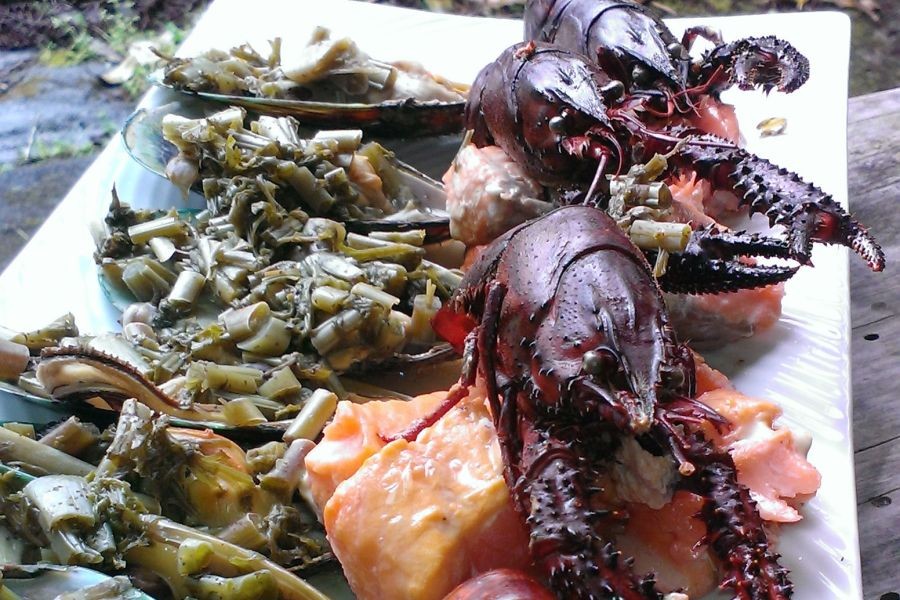






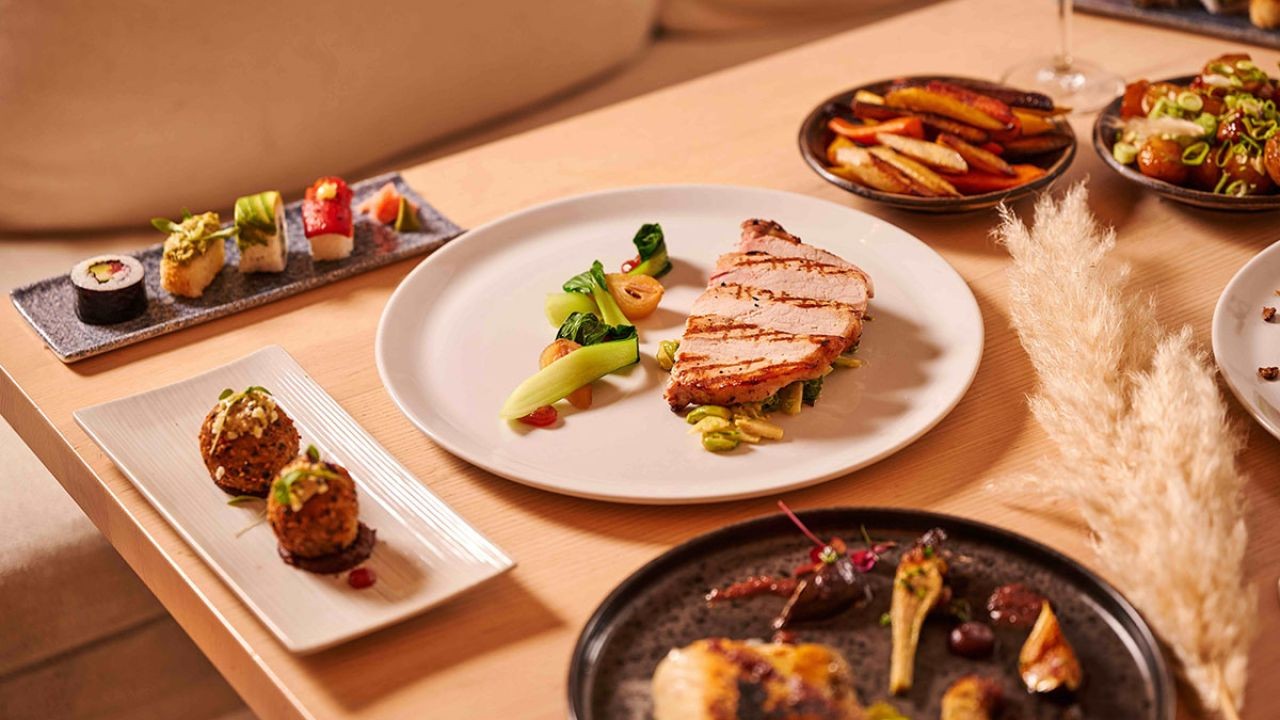
In a quiet corner of Melbourne's inner north, a chef is meticulously plating a dish that tells a story of collision and creation. A delicate, slow-cooked wallaby shank, a protein once sustaining Indigenous communities for millennia, rests on a bed of smoked macadamia purée. It’s garnished not with native pepperberry, but with a fine dust of its dehydrated leaf, and accompanied by a gel made from Davidson’s plum, its sharpness tempered by a modern sous-vide technique. This is not merely a "bush tucker" experience, nor is it a straightforward European fine-dining offering. It is a precise, intentional, and deeply symbolic act of culinary fusion—a microcosm of a far broader, more complex trend reshaping Australia's gastronomic identity. As a lifestyle trend forecaster, I observe this movement with cautious optimism. It is a powerful narrative of cultural reclamation and innovation, yet one fraught with ethical complexities, commercial pitfalls, and the ever-present risk of cultural appropriation dressed as homage.
The Anatomy of a Movement: More Than a Menu Trend
The fusion of traditional and modern Australian cuisine is often mischaracterised as a simple culinary trend, akin to the rise of Vietnamese pho or artisan sourdough. This is a fundamental misreading. It is, in essence, a socio-cultural project playing out on the plate. The movement is driven by a confluence of three powerful forces: a growing national consciousness and desire for a unique culinary identity separate from its colonial past; a surge in consumer demand for authentic, place-based experiences and storytelling; and the increasing commercial viability and supply-chain maturation of native Australian ingredients.
Data from the Australian Bureau of Statistics underscores this shift in consumer consciousness. Their National Nutrition and Physical Activity Survey data, while focused on health, reveals a population increasingly curious about food provenance and alternative dietary sources. This curiosity is being met by a rapidly professionalising native foods industry. From my work with Australian SMEs in the agri-food sector, I've seen firsthand the transition from wild harvest to controlled cultivation. Companies like Australian Native Food and Botanicals (ANFAB) are leading the charge in commercialising crops like wattleseed and lemon myrtle, providing chefs with consistent, high-quality, and ethically sourced produce. This supply-chain development is critical; it moves native ingredients from the realm of foraged novelty to a reliable pantry staple for ambitious kitchens.
Case Study: Orana’s Closure and the Precarious Balance
Any analysis of this trend must grapple with the poignant case of Restaurant Orana in Adelaide. Under chef Jock Zonfrillo, Orana was not just a restaurant; it was a research institution, a cultural archive, and a beacon for the native food movement. Zonfrillo’s approach was deeply forensic, involving years of travel to Indigenous communities to learn about ingredients and techniques directly from knowledge holders.
Problem: Orana’s mission was monumental: to redefine Australian fine dining through an Indigenous lens while navigating the immense responsibility of cultural representation, complex supply chains for rare ingredients, and a business model reliant on a premium price point in a competitive market.
Action: The restaurant implemented a hyper-local, research-driven model. Dishes were narratives, each tied to a specific region and community. The business also invested in relationships with Indigenous gatherers, aiming to create economic pathways. It was a holistic attempt to fuse tradition and modernity at every level—culinary, ethical, and economic.
Result: Culinary acclaim was universal. Orana topped Australian restaurant lists and gained international recognition. However, in 2023, it closed its doors. While the COVID-19 pandemic was a contributing factor, industry analysis points to the unsustainable economic weight of its mission. The immense research, travel, and cost of ethically sourcing unique ingredients created a financial model that, despite a $395 per person tasting menu, struggled for longevity.
Takeaway: Orana’s story is not one of failure, but a critical reality check. It highlights the extreme tension between cultural ambition and commercial reality. Drawing on my experience observing trends across Australian businesses, the lesson is that for this fusion to be sustainable at scale, it must move beyond the rarefied air of fine dining. The model needs to be adapted for high-volume casual dining, packaged goods, and home cooking, where margins and market size are different. Orana proved the art was possible; the next challenge is building the commerce around it.
Common Misconceptions
As this trend gains momentum, several dangerous assumptions threaten to derail its potential and cause genuine harm.
Myth: "Using a few sprinkles of lemon myrtle or wattleseed constitutes meaningful fusion cuisine." Reality: This is tokenism, not fusion. True fusion involves a deep understanding of the ingredient's cultural context, traditional preparation methods, and flavour profile, then thoughtfully integrating that knowledge into a new technique or dish. It’s a dialogue, not a garnish.
Myth: "Any chef or business can freely use Indigenous knowledge and ingredients if they credit the source." Reality: This ignores issues of intellectual property and cultural copyright. Indigenous knowledge is a living system, not public domain. From consulting with local businesses across Australia engaged in this space, the successful ones build genuine, long-term partnerships with Indigenous communities, often involving benefit-sharing agreements. The ACCC’s focus on misleading Indigenous Australian consumer guarantees also hints at the increasing regulatory scrutiny around authentic Indigenous claims.
Myth: "This trend is just for high-end restaurants and wealthy diners." Reality: While fine dining leads innovation, the democratisation is already underway. Supermarkets now stock native herbs and spices, breweries make lemon myrtle-infused beers, and successful casual chains are incorporating bush tomato relishes or kangaroo small plates. The future growth lies in accessibility.
The Strategic Fork in the Road: Two Paths Forward
The evolution of this fusion trend is now at a critical juncture, presenting two divergent paths for Australian food businesses.
Path 1: The Deep Collaboration Model
This path is defined by depth, ethics, and shared ownership. It involves businesses forming formal partnerships with Indigenous communities or owned enterprises. This goes beyond sourcing—it co-creates products, shares profits, and embeds cultural storytelling into the brand's core. Think of a condiment brand co-developed and co-owned with a community, using their traditional knowledge of native fruits. The risk is slower scalability and complex governance. The reward is authenticity, powerful branding, and a resilient social license to operate.
Path 2: The Ingredient-Led Innovation Model
This path focuses on leveraging native ingredients as distinctive Australian components within global culinary formats. Here, the primary value proposition is novelty, flavour, and national branding rather than deep cultural narrative. A craft distillery using strawberry gum in a gin, or a pastry chef using quandong in a Danish, follows this path. The risk is shallowness and potential criticism for commodification. The reward is faster market entry, easier scalability, and appealing to a consumer seeking "Australianness" in a familiar format.
Actionable Insight for Australian Businesses: Before embarking, conduct an honest strategic audit. Are you prepared for the long-term relationship building, ethical considerations, and potentially complex IP agreements of Path 1? Or does your brand, capacity, and market align better with the ingredient-led approach of Path 2? There is no universally correct answer, but choosing consciously is essential. Attempting Path 1 with a Path 2 mindset will lead to failure and reputational damage.
Future Trends & Predictions
The trajectory of this fusion is moving from the plate to the pantry and the policy framework. I forecast three key developments over the next five years:
First, we will see the rise of standardised certification and branding. Similar to organic or fair-trade labels, a recognised certification for ethically sourced native ingredients, potentially involving Indigenous oversight bodies, will emerge to guide consumers and protect producers. This will be crucial for building trust at scale.
Second, functional food and beverage applications will explode. Research from institutions like the University of Queensland into the nutritional and medicinal properties of native plants (e.g., Kakadu plum's vitamin C content) will drive their incorporation into health supplements, wellness drinks, and functional snacks, moving them firmly into the mainstream health economy.
Third, expect increased regulatory and policy engagement. As the economic value grows, government bodies like the ATO (on benefit-sharing tax structures) and policy makers will need to create clearer frameworks to support Indigenous commercial participation and protect against biopiracy, turning ethical practice from a choice into a structured component of the industry.
Final Takeaways & Call to Action
- This is not a food trend; it is a cultural recalibration. Its success depends on respecting it as such.
- The Orana case study is seminal. It proves the artistic pinnacle while warning of the commercial fragility of top-down models. Sustainability requires broad-based adoption.
- Choose your strategic path consciously. Decide between deep collaboration or ingredient-led innovation based on your capabilities and ethical commitment—do not blur the lines.
- The next wave is functional and certified. Look beyond fine dining to health, wellness, and standardised ethical sourcing as the growth frontiers.
The fusion of traditional and modern Australian cuisine holds the potent promise of a truly unique national table—one that can honour the world's oldest continuous culture while innovating for the future. However, this promise is conditional. It demands more than culinary skill; it requires cultural literacy, ethical rigour, and strategic patience. The question for Australian chefs, producers, and entrepreneurs is no longer if to engage with this trend, but how to do so with the integrity and intelligence it demands.
What’s your take? Is the commercialisation of native foods an act of cultural celebration or appropriation? How can businesses navigate this space responsibly? Share your insights and continue the discussion below.
People Also Ask
What are some easy native Australian ingredients to start cooking with at home? Begin with dried herbs and spices like lemon myrtle (great with seafood, chicken), wattleseed (chocolatey, coffee-like notes for baking), or ground bush tomato (rich, caramelised flavour for stews). They are increasingly available in supermarkets and offer a accessible entry point.
How can I ensure the native ingredients I buy are ethically sourced? Look for brands that explicitly mention partnerships with Indigenous communities or are Indigenous-owned. As the market matures, seek out any emerging certification logos. Research the brand online—transparent companies will proudly detail their sourcing relationships.
Is "fusion" cuisine still popular, or is it seen as outdated? The generic "fusion" of the 90s is outdated. Today's successful fusion is specific, respectful, and story-driven. The Australian traditional/modern fusion is a prime example of this new era—it's not a mixing of random cuisines, but a deliberate, contextual blending of a place's own culinary heritage with contemporary technique.
Related Search Queries
- Indigenous Australian food recipes modern
- Native Australian herbs where to buy
- Ethical sourcing of bush tucker Australia
- Australian cuisine identity crisis
- Jock Zonfrillo Orana legacy
- Indigenous food businesses Australia
- Bush food supermarket products
- Cultural appropriation in Australian restaurants
- Native ingredient certification Australia
- Future of Australian fine dining
For the full context and strategies on fusion of traditional and modern Australian cuisine. – How It’s Quietly Powering Australia’s Future, see our main guide: Investor Pitch Videos Australia.