




Australia's rich cultural tapestry is a powerhouse of heritage sites that not only define the nation's unique identity but also contribute significantly to its economy. With tourism being a cornerstone of Australia's economy—contributing over AUD 60 billion annually, according to the Australian Bureau of Statistics (ABS)—the promotion of cultural heritage sites becomes more than just a matter of preserving history; it's a vital economic strategy. Yet, the promotional strategies for these sites often fall short, hindered by outdated methods and a lack of digital innovation.
The Digital Divide: Current Promotional Strategies
Currently, a significant portion of promotional content for Australian heritage sites relies on traditional media and government-backed campaigns. While these methods have their merits, they lag in engaging the tech-savvy global audience effectively. In contrast, countries like Italy and France have leveraged immersive technologies such as virtual reality (VR) and augmented reality (AR) to revitalize interest in heritage tourism. The potential for integrating such technologies in Australia is vast, yet largely untapped.
Pros and Cons of Current Strategies
✅ Pros:
- Government Support: Initiatives like Tourism Australia's campaigns provide a structured approach to heritage promotion.
- Local Engagement: Traditional methods foster strong community involvement and local pride.
- Historical Accuracy: Reliance on expert historians ensures the authenticity of the content.
❌ Cons:
- Limited Reach: Traditional media fails to capture the global digital audience.
- Cost Inefficiency: High costs with low engagement returns.
- Technological Lag: Absence of cutting-edge technologies limits user engagement.
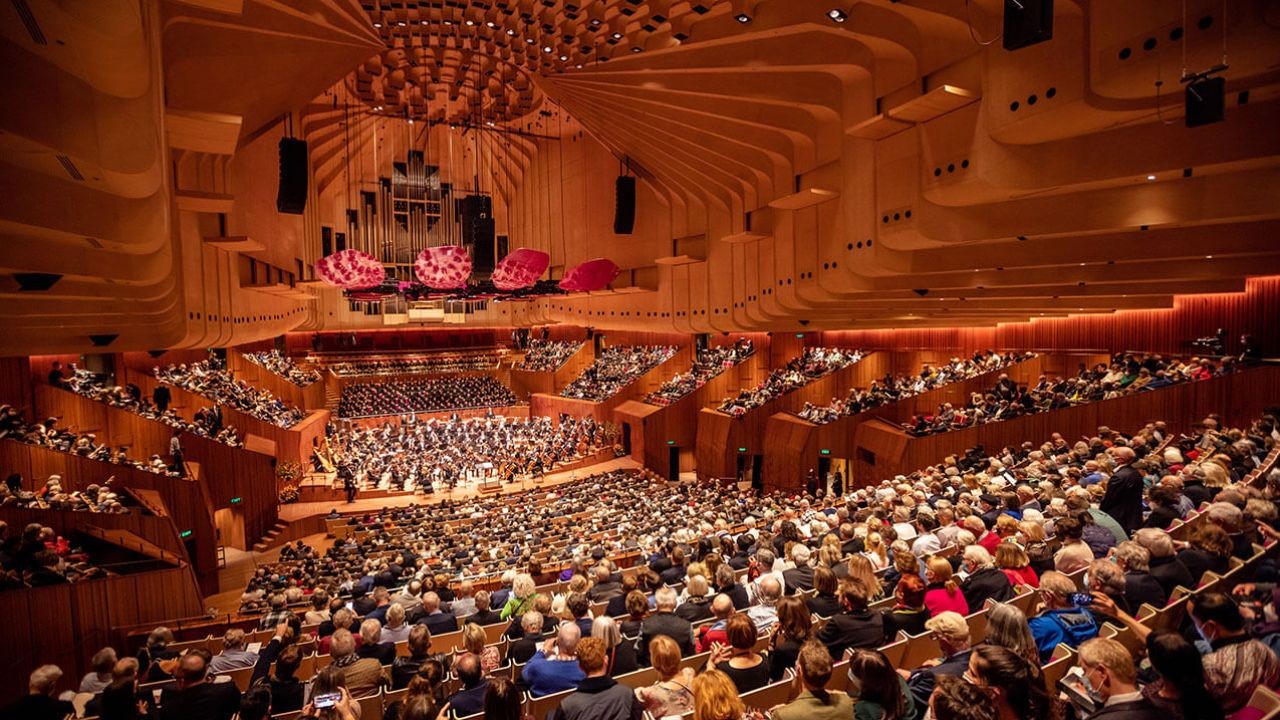
Case Study: The Sydney Opera House – A Digital Success Story
One shining example of effective digital promotion is the Sydney Opera House. Faced with declining international visitor numbers, the Opera House adopted a digital-first approach, incorporating AR and VR elements into their promotional content.
Problem: Declining international tourist visits and engagement.
Action: The Opera House launched an AR app that offered virtual tours, allowing users globally to experience the site in an immersive manner.
Result: Within six months, international virtual engagement increased by 40%, and physical visits rose by 20% once travel restrictions eased.
Takeaway: Integrating digital technologies like AR and VR can significantly enhance the reach and engagement of cultural heritage sites.
Lessons from Global Leaders
Globally, heritage sites that have embraced digital innovation reap numerous benefits. For instance, the Louvre Museum's collaboration with Nintendo for an interactive audio tour transformed visitor engagement, resulting in a 25% increase in visits from tech-savvy millennials.
These examples underline a critical insight: the future of heritage site promotion lies in digital innovation. For Australia, adopting similar strategies could not only preserve its rich cultural heritage but also boost its tourism economy.
Common Myths & Mistakes in Heritage Promotion
Myth vs. Reality:
- Myth: "Traditional media is sufficient for heritage promotion." Reality: Digital platforms offer broader reach and higher engagement, as evidenced by global trends.
- Myth: "Historical sites can't be digitized." Reality: Technologies like AR and VR offer immersive experiences without compromising authenticity.
- Myth: "Digital promotion is too expensive." Reality: While initial costs may be high, the ROI from increased global engagement justifies the investment.
Future Trends & Predictions
The future of promoting Australian cultural heritage sites will be defined by digital transformation. According to a Deloitte report, by 2026, 70% of Australia's tourism-related promotions will be digital-first, leveraging AI for personalized visitor experiences. This shift will not only increase tourist numbers but also enhance the educational value of heritage sites.
Conclusion & Call to Action
In conclusion, promoting Australian cultural heritage sites through innovative digital strategies is not merely a trend; it's a necessity for economic and cultural preservation. The integration of AR, VR, and AI stands as a promising avenue to attract a global audience and enrich visitor experiences. To stay ahead, heritage sites must embrace this digital evolution.
What's your take on the future of digital promotions for heritage sites in Australia? Join the conversation in the comments below and share your insights!
People Also Ask
- How does digital promotion impact Australian heritage sites? Digital promotion enhances global reach and engagement, leading to increased tourist visits and economic benefits.
- What are the biggest misconceptions about promoting cultural heritage sites? A common myth is that traditional media is adequate, but digital platforms offer broader and more effective engagement.
- What are the best strategies for implementing digital promotion for heritage sites? Experts recommend starting with AR and VR integrations, followed by AI-driven personalized visitor experiences.
Related Search Queries
- Digital marketing strategies for heritage sites
- Impact of VR on tourism
- Future of cultural heritage promotion
- AR applications in cultural sites
- AI in tourism industry
For the full context and strategies on Promotional Content for Australian Cultural Heritage Sites, see our main guide: Film Entertainment Videos Australia.