





New Zealand is at the forefront of a green revolution, with sustainable homes and green building innovations significantly shaping its future. The country's commitment to reducing carbon footprints and promoting environmental sustainability is evident in its policies and industry trends. This transformation is not just about environmental responsibility but also about economic growth and innovation. According to Stats NZ, the construction industry contributed NZD 23.8 billion to the GDP in 2022, highlighting the sector's importance in driving the economy. As sustainability becomes increasingly central, understanding the trends and innovations in green building is crucial for stakeholders ranging from policymakers to sustainability consultants.
Future Forecast & Trends
Green building innovations are transforming New Zealand’s landscape. These trends are defined by advancements in technology, policy shifts, and changes in consumer behavior. Here’s what to expect:
- Smart Building Technologies: The integration of IoT and AI in construction is facilitating energy-efficient designs. Buildings are now equipped with smart sensors to optimize energy use, enhancing both sustainability and cost-effectiveness.
- Eco-friendly Materials: The use of recycled and sustainable materials is becoming mainstream. Innovations like cross-laminated timber (CLT) are gaining popularity for their low carbon footprint and structural strength.
- Government Initiatives: The New Zealand Government’s Building for Climate Change programme outlines plans to reduce building emissions, aiming for carbon neutrality by 2050.
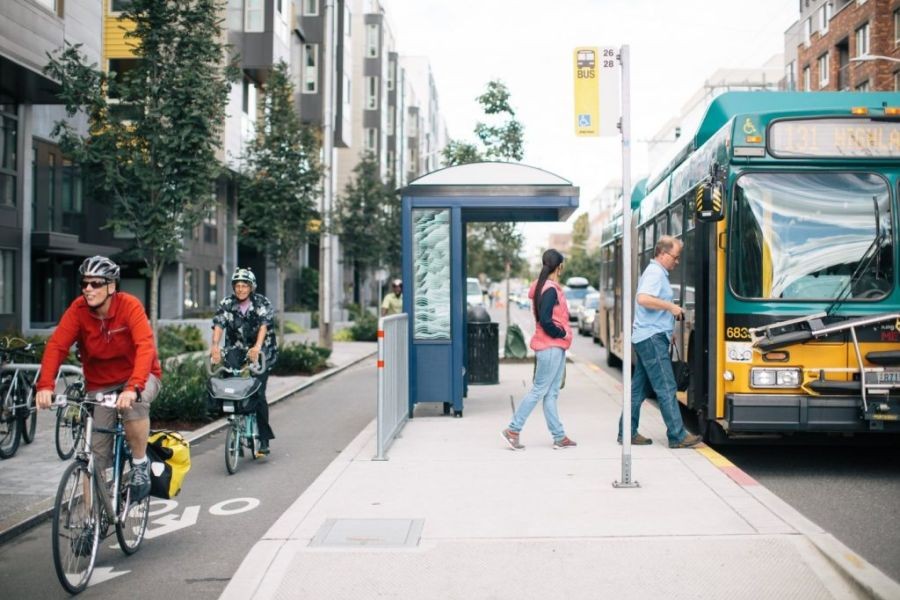
- Community and Urban Planning: Sustainable urban designs are prioritizing green spaces and public transport systems to reduce urban sprawl and car dependency.
Debate & Contrasting Views
While the move towards sustainable homes is largely applauded, it does come with its share of challenges and debates.
Advocates' Perspective
Proponents argue that sustainable building practices are key to combating climate change and promise long-term savings. They highlight how energy-efficient homes reduce utility bills, with some residents reporting a 30% decrease in energy costs. Moreover, green buildings can significantly increase property value, making them a smart investment.
Critics' Perspective
On the other hand, skeptics point out the high initial costs associated with green building technologies. For instance, the upfront investment in solar panels or advanced insulation can be prohibitive for many. Additionally, there is concern over the scalability of these innovations, questioning whether they can be effectively implemented across all regions, especially in rural areas.
Middle Ground
A balanced approach involves government subsidies and incentives to offset the initial costs for homeowners. Incremental implementation of sustainable practices, starting with basic energy-efficient upgrades, can also ease the financial burden and encourage broader adoption.
Expert Opinion & Thought Leadership
Jessica Foster, an Urban Green Spaces Advocate, emphasizes the importance of integrating nature into urban areas. "Green spaces are not only vital for environmental health but also for community well-being," she states. Foster advocates for policies that support urban green spaces, highlighting their role in reducing urban heat and promoting biodiversity.
According to a report by MBIE, buildings account for 20% of New Zealand’s carbon emissions. The report suggests that a shift towards sustainable building practices could reduce these emissions by up to 30% within the next decade, underscoring the potential impact of green building innovations.
Real-World Case Study: Hobsonville Point
Case Study: Hobsonville Point – Sustainable Urban Development
Problem: Hobsonville Point, a large-scale urban development in Auckland, faced the challenge of balancing rapid housing growth with environmental sustainability. Traditional construction methods threatened to increase the carbon footprint significantly.
Action: The development adopted a range of green building practices, including the use of sustainable materials, rainwater harvesting, and solar energy systems. Public transport options were prioritized to reduce car dependency, and extensive green spaces were integrated into the design.
Result: Hobsonville Point is now a model for sustainable urban development in New Zealand. The area has seen a 40% reduction in energy consumption compared to traditional developments, and its residents enjoy a higher quality of life with increased access to green spaces and public transport.
Takeaway: This project demonstrates the feasibility and benefits of sustainable urban planning. For New Zealand, replicating such models could significantly reduce urban carbon footprints and enhance livability.
Common Myths & Mistakes
Despite the growing acceptance of green building practices, some misconceptions persist:
- Myth: "Green buildings are always more expensive to build."Reality: While initial costs can be higher, long-term savings on energy and maintenance often offset these costs. Studies show that energy-efficient homes can save up to 30% on utility bills annually.
- Myth: "Sustainable materials are less durable."Reality: Innovations like CLT and recycled steel are proving to be both environmentally friendly and robust, often outperforming traditional materials in durability tests.
- Myth: "Sustainable homes only benefit the environment."Reality: Beyond environmental gains, green homes offer improved air quality and thermal comfort, contributing to better health and well-being for occupants.
Biggest Mistakes to Avoid
- Ignoring Local Regulations: Compliance with New Zealand’s Building Code is crucial. Failing to meet these standards can result in costly legal issues.
- Overlooking Upkeep Costs: While sustainable systems like solar panels offer savings, they require maintenance. Budgeting for these costs can prevent future financial strain.
- Underestimating Community Impact: Successful sustainable developments engage local communities in planning processes to ensure that projects meet both environmental and social needs.
Future Trends & Predictions
Looking ahead, green building innovations are poised for significant advancements:
- Advanced Energy Storage: By 2028, it is predicted that 60% of new builds will incorporate advanced energy storage systems, reducing reliance on the grid (Source: NZ Energy Efficiency and Conservation Authority).
- Zero-Carbon Buildings: The goal of zero-carbon buildings is becoming more achievable with technological advancements, and by 2035, they are expected to constitute 50% of all new constructions in New Zealand.
- Decentralized Energy Systems: Community-based energy systems are gaining traction, offering resilience against grid failures and promoting local energy independence.
Conclusion
The drive towards sustainable homes and green building innovations is more than an environmental initiative; it is a strategic imperative for New Zealand’s future. By adopting these practices, the country can lead globally in sustainable development, ensuring economic growth and environmental preservation. For sustainability consultants and stakeholders, the key lies in balancing innovation with practicality, ensuring that green building practices are accessible and beneficial for all. Are you ready to embrace this green future? Share your thoughts below!
People Also Ask (FAQ)
- How do sustainable homes impact property value in New Zealand?Sustainable homes often see a 20% increase in property value due to energy efficiency and environmental appeal, according to NZ Property Report 2024.
- What are the biggest misconceptions about green building?One common myth is that green buildings are prohibitively expensive. However, research shows they lead to long-term savings on energy and maintenance.
- What future trends could affect sustainable building in New Zealand?By 2026, policy updates could shift toward zero-carbon mandates, influencing construction practices nationwide.
Related Search Queries
- Sustainable building practices in New Zealand
- Green building technologies 2023
- Eco-friendly homes Auckland
- New Zealand construction industry trends
- Zero-carbon building initiatives NZ
- Benefits of sustainable homes
- Government incentives for green buildings in NZ
- Future of urban planning in New Zealand
- Cross-laminated timber in construction
- Energy-efficient homes in New Zealand
For the full context and strategies on Sustainable Homes and Green Building Innovations Shaping New Zealand’s Future, see our main guide: Sustainable Homes Green Building Videos Nz.