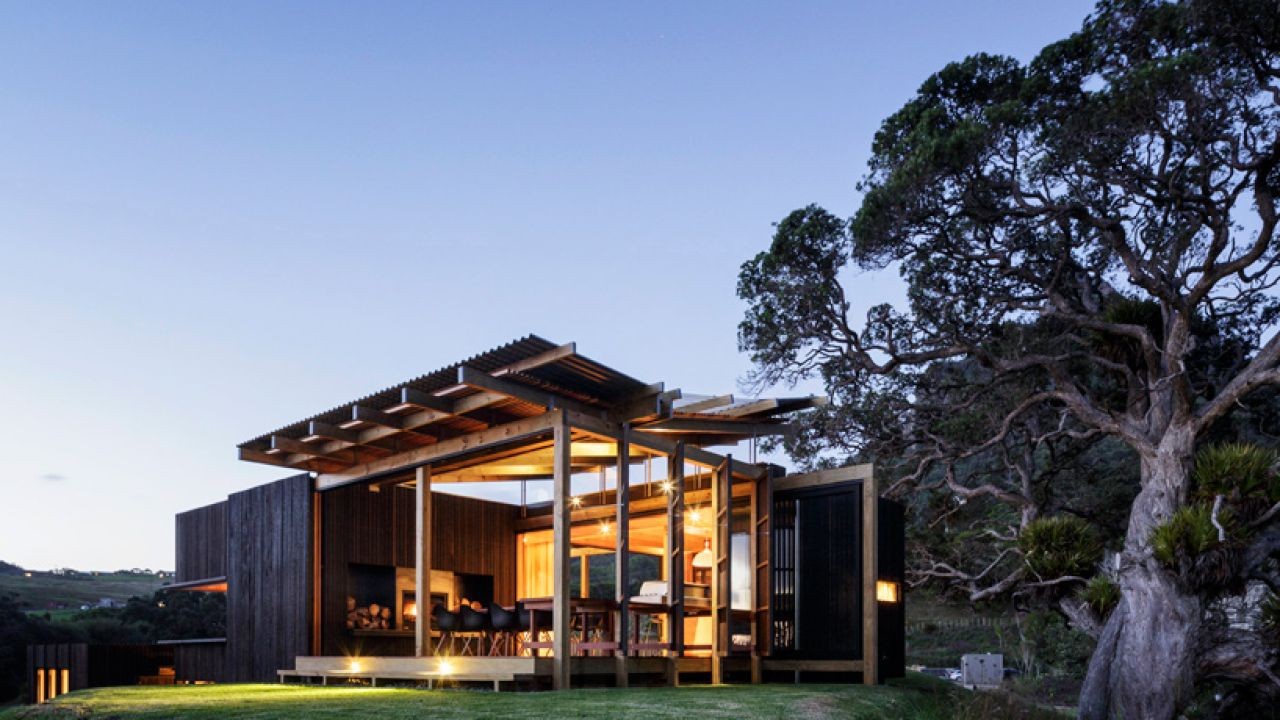






In the land of the long white cloud, where the natural environment is as much a part of the identity as the culture itself, New Zealand is witnessing a paradigm shift in architecture. The sustainable development movement is transforming the skyline with green architecture, offering not only ecological benefits but also economic opportunities. This evolution is being chronicled and celebrated through engaging videos that highlight the innovative spirit of Kiwi architects and developers. As a commercial real estate broker, understanding these trends is crucial for identifying investment opportunities and advising clients on sustainable practices.
Future Forecast & Trends in Green Architecture
New Zealand's commitment to sustainability is evident in its long-term environmental goals. The government aims to make the country carbon-neutral by 2050, a target that is influencing every sector, including real estate. The integration of green architecture is not just a trend; it represents the future of urban development. Buildings are now designed to reduce energy consumption significantly, using materials and technologies that support environmental sustainability.
According to Stats NZ, the construction industry is one of the country's largest emitters of greenhouse gases. This has prompted a shift towards eco-friendly alternatives, positioning New Zealand as a leader in sustainable building practices. The Reserve Bank of New Zealand reports that investing in green buildings can lead to lower operational costs and increased property value, with studies showing a potential 10-20% increase in market value for certified green buildings (Source: NZ Green Building Council).
Debate & Contrasting Views on Sustainable Development
While the benefits of green architecture are widely acknowledged, there are contrasting views on the implementation costs. Critics argue that the initial investment required for green building technologies can be prohibitive, particularly for smaller firms. However, proponents highlight that these costs are offset by the long-term savings in energy and maintenance.
Moreover, the debate extends to the effectiveness of government incentives. Some industry experts believe that current policies do not provide enough support for widespread adoption. On the other hand, others argue that the market itself is driving the change, with increasing demand from environmentally conscious consumers and businesses.
Expert Opinion & Thought Leadership
Dr. Jessica Clarke, an environmental researcher from the University of Auckland, emphasizes the importance of integrating local materials and cultural elements in sustainable architecture. "New Zealand has a unique opportunity to lead in green architecture by incorporating indigenous knowledge and natural resources. This not only fosters environmental stewardship but also enriches our architectural identity," she explains.
Case Study: The Te Kura Whare in Taneatua demonstrates the power of sustainable development. This community center is the first Living Building in New Zealand, a standard that requires buildings to be self-sufficient in energy, water, and waste treatment. The project showcases how sustainable practices can be harmonized with cultural values, offering a blueprint for future developments.
Common Myths & Mistakes in Green Architecture
- Myth: "Green buildings are only for the wealthy." Reality: Sustainable architecture is becoming more accessible, with costs decreasing as technologies advance and demand increases (Source: NZ Green Building Council).
- Myth: "Sustainable materials are less durable." Reality: Many eco-friendly materials are engineered for durability and require less maintenance, leading to cost savings over time.
- Myth: "Green architecture doesn't impact property value." Reality: Certified green buildings often enjoy higher market values and lower vacancy rates, attracting tenants who prioritize sustainability.
Controversial Take: The Real Cost of Sustainability
While sustainable development is often touted as a win-win for the environment and economy, some critics argue that the true costs are not fully understood. Initial investments in technology and materials can be high, and not all developers are willing or able to absorb these costs upfront. However, as market dynamics shift and consumer demand grows, the landscape is changing. The key is balancing short-term costs with long-term gains, a challenge that requires strategic foresight and planning.
Final Takeaways & Call to Action
- 💡 Insight: Green architecture is not just a trend but a strategic investment for the future.
- 🚀 Strategy: Consider incorporating sustainable practices in your projects to enhance value and attract eco-conscious clients.
- ⚠️ Mistake to Avoid: Don't overlook the long-term financial benefits of green buildings by focusing solely on initial costs.
- 🔥 Pro Tip: Engage with local communities and incorporate indigenous knowledge for a more authentic and sustainable design.
As the market for sustainable development grows, now is the time to seize the opportunities it presents. Share your insights and experiences in the comments below, and let's drive the conversation on sustainable real estate forward!
Future Trends & Predictions
As we look to the future, the trend towards sustainable development is set to accelerate. By 2028, it's predicted that 50% of all new buildings in New Zealand will be green-certified, driven by both regulatory requirements and consumer demand (Source: MBIE). The integration of smart technology with green architecture will further enhance efficiency and sustainability, creating buildings that are not only environmentally friendly but also economically advantageous.
People Also Ask
- How does green architecture impact New Zealand real estate? Green architecture increases property values by 10-20% and reduces operational costs, making it a profitable investment for developers and investors.
- What are the biggest misconceptions about sustainable development? A common myth is that sustainable materials are less durable, but they are often engineered for longevity and efficiency, leading to long-term savings.
- What strategies can developers use to implement green architecture? Developers should focus on integrating local materials, smart technologies, and energy-efficient designs to maximize sustainability and value.
Related Search Queries
- Sustainable architecture trends in New Zealand
- Green building certification NZ
- How to invest in green real estate
- Benefits of sustainable development in real estate
- Government incentives for green buildings NZ
- Future of sustainable architecture in New Zealand
- Eco-friendly building materials NZ
- Impact of green architecture on property value
- Smart technologies in sustainable development
- Case studies of green buildings in New Zealand
For the full context and strategies on Sustainable Development Videos Celebrating Green Architecture in New Zealand, see our main guide: Nz Property Finance Mortgage Video Guides.