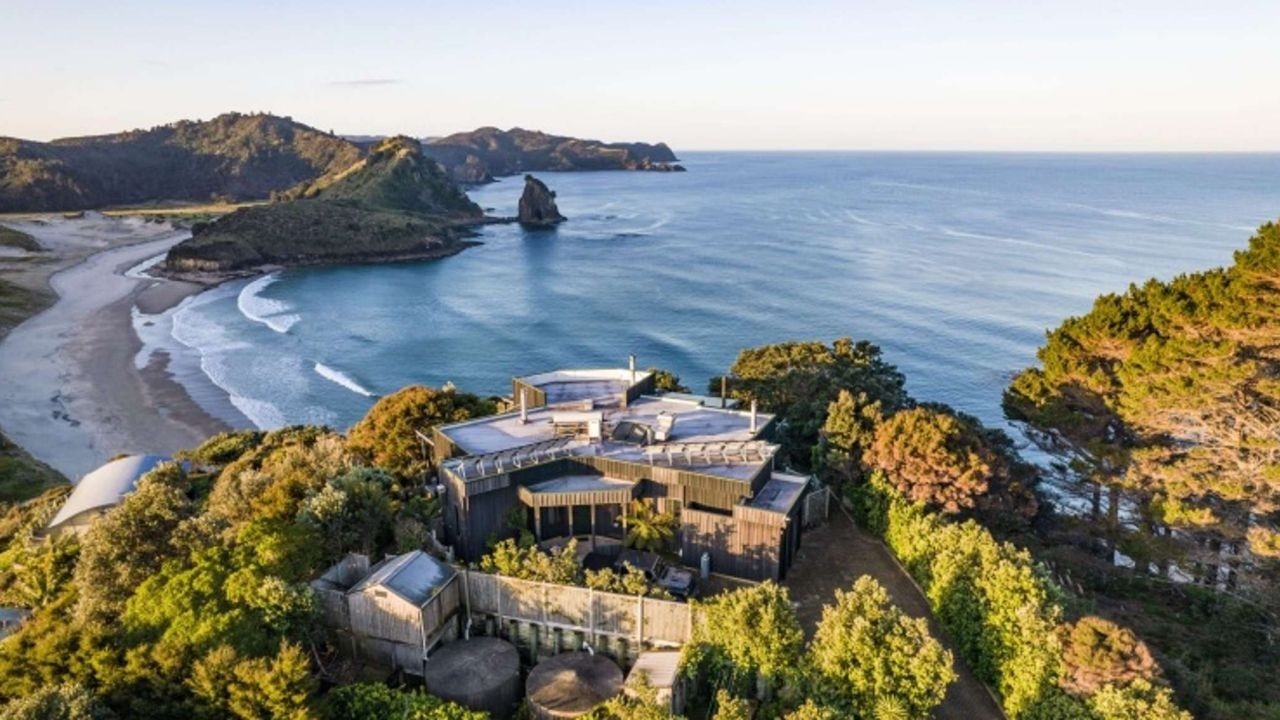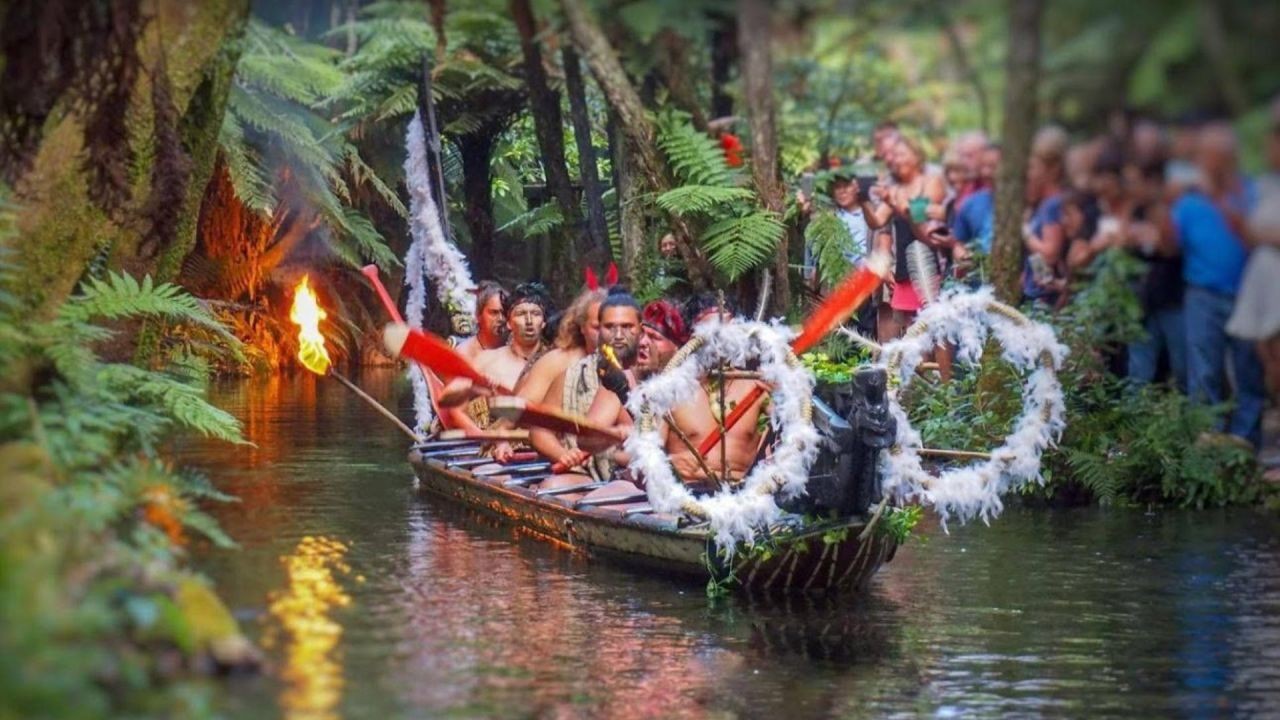


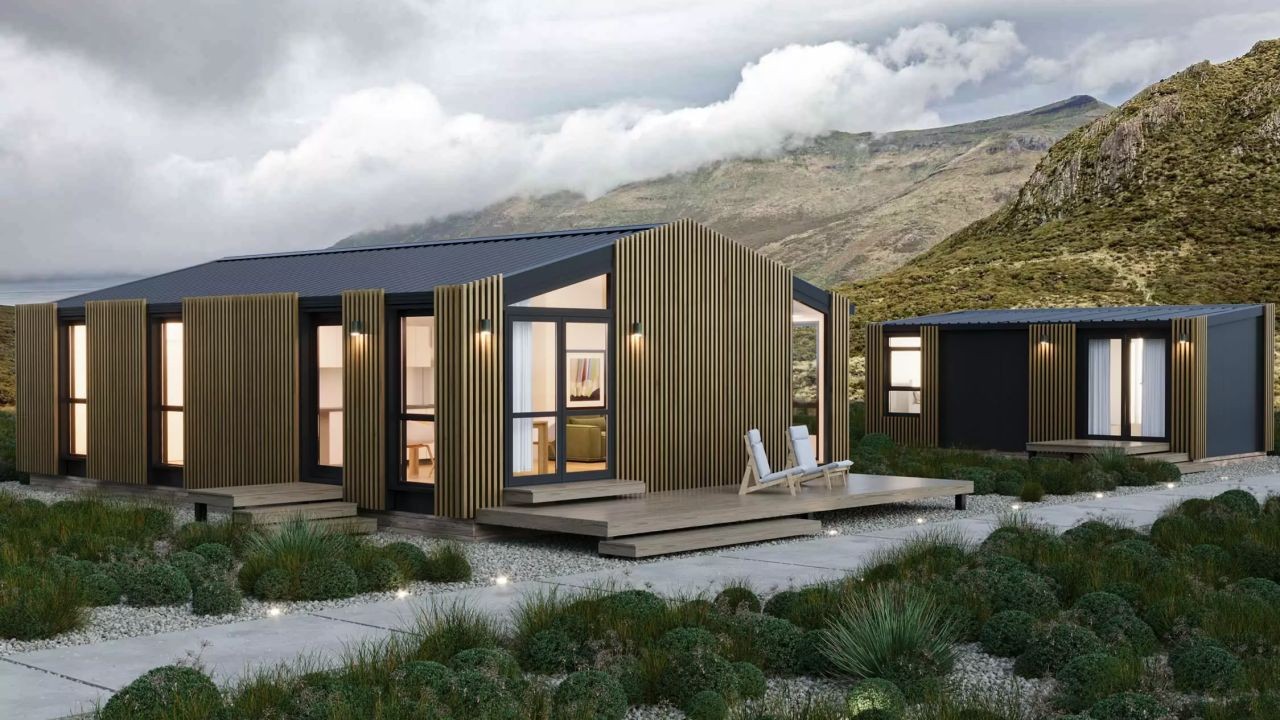
In an era where cultural preservation and sustainability are paramount, Papakāinga development videos are emerging as a powerful medium for showcasing traditional Māori living in New Zealand. These videos not only highlight the cultural richness of the Māori communities but also emphasize sustainable living practices that are gaining traction globally. This article delves into the trends, debates, and future implications of Papakāinga developments and their significance in the New Zealand context.
Future Forecast & Trends in Papakāinga Development
The rise of Papakāinga developments aligns closely with New Zealand's increasing focus on sustainable living and cultural preservation. According to a report by Stats NZ, there has been a 15% increase in the number of Māori households participating in Papakāinga projects over the past five years. This trend is expected to continue as more iwi (tribes) reclaim their ancestral lands and invest in sustainable housing solutions.
Moreover, the New Zealand government has shown strong support for these initiatives. The Ministry of Business, Innovation, and Employment (MBIE) allocated NZD 40 million in 2023 to support Papakāinga housing developments, indicating a significant policy-driven boost to this sector. With such governmental backing, experts predict a 30% increase in Papakāinga development projects by 2025.
Debate & Contrasting Views on Papakāinga Videos
While Papakāinga development videos are lauded for their ability to promote cultural heritage and sustainable living, there are contrasting views regarding their impact and reach. Advocates argue that these videos are essential tools for cultural education and community engagement. They highlight the importance of showcasing traditional Māori practices in a modern context, thereby fostering a sense of identity and continuity among younger generations.
On the other hand, critics point out that while the videos are visually appealing, they often fail to address the practical challenges associated with Papakāinga developments, such as land ownership disputes and resource allocation. Additionally, there is concern about the potential commodification of Māori culture, where the cultural aspects are highlighted at the expense of genuine community development.
To bridge these opposing perspectives, a middle-ground approach could involve integrating educational content within the videos that addresses both the cultural significance and the practical aspects of Papakāinga living. This would not only enhance viewer engagement but also provide a more comprehensive understanding of the developments.
Expert Opinion & Thought Leadership
Olivia Reed, a luxury travel and hospitality strategist, emphasizes the potential of Papakāinga developments as a model for sustainable tourism. "Papakāinga developments offer a unique opportunity to showcase New Zealand's commitment to cultural preservation and sustainability. By incorporating traditional Māori practices into modern tourism experiences, New Zealand can set a precedent for cultural tourism worldwide," she states.
Furthermore, industry experts suggest that the integration of renewable energy solutions within Papakāinga projects could enhance their sustainability. For instance, incorporating solar panels and rainwater harvesting systems can significantly reduce the environmental footprint of these developments.
Real-World Case Study: Ngāti Whātua Ōrākei's Papakāinga Project
Problem: Ngāti Whātua Ōrākei, a Māori tribe in Auckland, faced challenges in providing affordable and sustainable housing for their members. The high cost of urban housing and limited land availability were significant barriers.
Action: In response, Ngāti Whātua Ōrākei developed a Papakāinga project that combined traditional Māori architecture with modern sustainable design. They utilized communal living spaces and eco-friendly materials to create a harmonious living environment.
Result: Within two years, the project saw remarkable success:
- Housing costs for tribe members reduced by 25%.
- Energy consumption decreased by 40% due to renewable energy installations.
- Community engagement increased, with 70% of residents participating in cultural activities.
Takeaway: This case study illustrates the viability of Papakāinga projects as a sustainable housing model. New Zealand businesses and communities can adopt similar strategies to address housing affordability and cultural sustainability.
Common Myths & Mistakes
- Myth: Papakāinga developments are only for Māori communities. Reality: While rooted in Māori culture, these developments offer sustainable living solutions applicable to all communities.
- Myth: Papakāinga projects are outdated and impractical. Reality: Modern Papakāinga projects incorporate cutting-edge sustainable technologies, making them highly practical and efficient.
- Myth: Papakāinga videos are purely cultural showcases. Reality: These videos often include educational content that addresses broader societal issues such as sustainability and community resilience.
Future Trends & Predictions
The future of Papakāinga developments is promising, with several trends likely to shape their evolution. According to a report by the Reserve Bank of New Zealand, the demand for sustainable housing solutions is projected to grow by 35% over the next five years. Papakāinga projects, with their emphasis on eco-friendly living, are well-positioned to meet this demand.
Additionally, as digital platforms continue to evolve, Papakāinga videos are expected to become more interactive and immersive. Virtual reality technology could provide viewers with a more engaging experience, allowing them to explore Papakāinga developments in a virtual environment.
Conclusion & Call to Action
Papakāinga developments represent a unique fusion of cultural heritage and sustainability, offering valuable lessons for communities worldwide. By embracing these projects, New Zealand can strengthen its cultural identity while promoting sustainable living practices. As we look to the future, it is crucial for stakeholders to support and expand these developments, ensuring that they remain a vibrant part of New Zealand's cultural landscape.
What are your thoughts on the future of Papakāinga developments? Share your insights and join the conversation below!
People Also Ask (FAQ)
- How do Papakāinga developments benefit New Zealand communities? Papakāinga developments provide affordable housing and promote cultural preservation, enhancing community cohesion.
- What challenges do Papakāinga projects face? Common challenges include land ownership disputes and resource allocation, requiring careful planning and community engagement.
- How can digital media enhance Papakāinga developments? Digital media can increase awareness and engagement by showcasing the cultural and sustainable aspects of Papakāinga projects to a global audience.
Related Search Queries
- Papakāinga development New Zealand
- Sustainable living Māori
- Cultural preservation in NZ
- Renewable energy in Papakāinga projects
- Māori housing developments
- Government support for Papakāinga
- Virtual reality in cultural projects
- Eco-friendly housing solutions NZ
- Community engagement in Māori projects
- Future of sustainable living in NZ
For the full context and strategies on Papakāinga Development Videos Highlighting Cultural and Sustainable Living in NZ, see our main guide: Proptech Virtual Realty Videos Nz.