





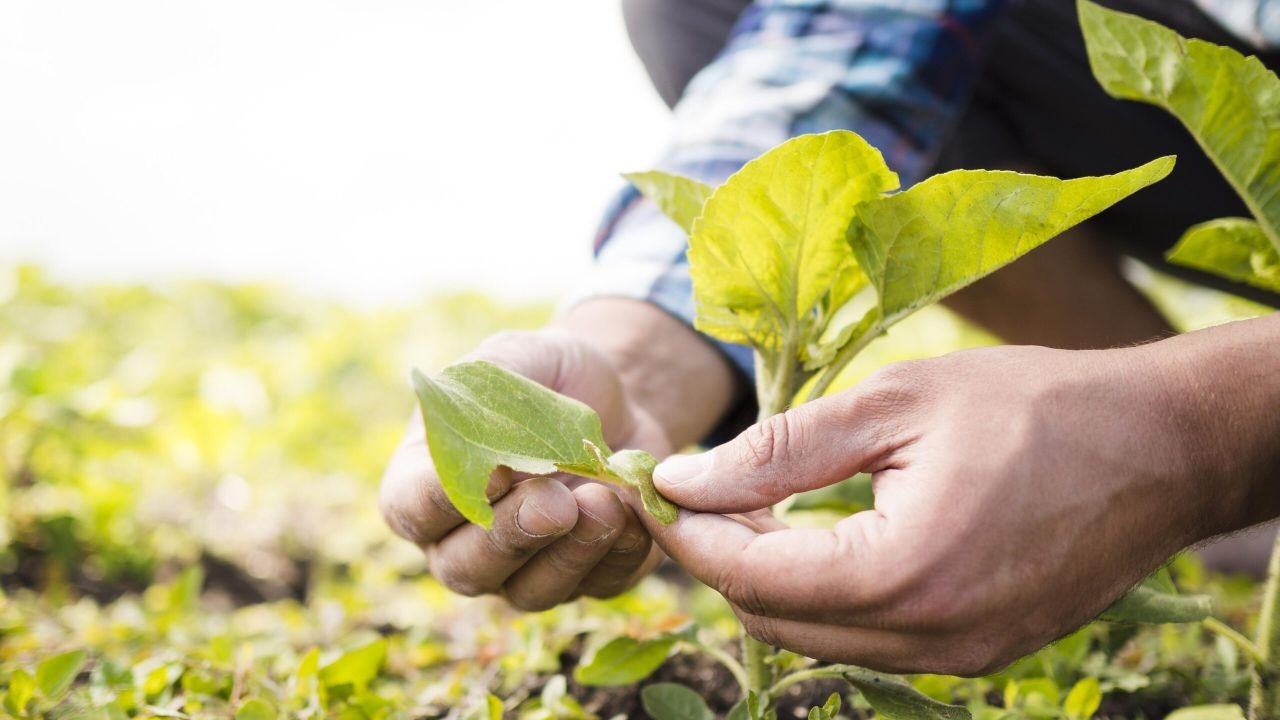
Australia is witnessing a transformative shift in its agricultural landscape, driven by the increasing popularity of sustainable farming practices. Regenerative agriculture, which focuses on restoring soil health and ecological balance, is gaining traction as a viable solution to combat climate change and enhance food security. This shift is being propelled by a wave of educational and promotional videos that are spreading awareness across the nation.
Why Regenerative Agriculture Matters in Australia
Regenerative agriculture goes beyond traditional sustainable farming by actively improving the land rather than merely maintaining it. In Australia, where agricultural activities contribute significantly to the economy, this approach is crucial. According to the Australian Bureau of Statistics (ABS), agriculture accounted for 2.2% of Australia's GDP in 2021, highlighting its economic importance. However, conventional farming practices have led to soil degradation, which regenerative methods aim to reverse.
Key Benefits of Regenerative Agriculture
- Soil Health: Enhances soil organic matter and biodiversity, improving water retention and reducing erosion.
- Carbon Sequestration: Captures carbon dioxide from the atmosphere, helping combat climate change.
- Resilient Ecosystems: Promotes biodiversity, leading to more resilient farming systems.
- Economic Viability: Reduces reliance on chemical inputs, lowering costs and increasing profitability.
Case Study: Charles Massy's Farm – A Regenerative Success Story
Problem: Charles Massy, a farmer in New South Wales, faced declining soil health and reduced crop yields due to conventional farming methods.
Action: Massy adopted regenerative agricultural practices, including rotational grazing and cover cropping, to restore soil health.
Result: Within five years, his farm experienced a 30% increase in crop yields and improved soil carbon levels, demonstrating the economic and environmental benefits of regenerative strategies.
Takeaway: Massy's experience underscores the potential for regenerative agriculture to revitalize Australian farms, offering a blueprint for others to follow.
Leveraging Video Content to Promote Regenerative Practices
Video content is playing a pivotal role in promoting regenerative agriculture across Australia. Educational videos, often shared on platforms like YouTube and social media, are reaching a broad audience, including farmers, policymakers, and the general public. These videos highlight successful case studies, explain regenerative techniques, and provide practical guidance, making it easier for individuals to adopt these practices.
Pros and Cons of Video Marketing in Agriculture
✅ Pros:
- High Engagement: Videos are more engaging than text, leading to higher retention rates.
- Visual Learning: Demonstrates complex farming techniques in an easily understandable format.
- Wide Reach: Social media amplifies reach, enabling content to go viral.
- Cost-Effective: Producing videos can be more cost-effective than traditional advertising methods.
❌ Cons:
- Resource Intensive: Requires time and expertise to produce high-quality content.
- Variable Impact: Effectiveness depends on video quality and distribution strategy.
- Digital Divide: Limited access in rural areas could restrict reach.
Addressing Common Myths About Regenerative Agriculture
Despite its benefits, several misconceptions persist about regenerative agriculture:
- Myth: Regenerative agriculture is not economically viable. Reality: Successful case studies, like that of Charles Massy, demonstrate increased profitability through reduced input costs.
- Myth: It requires abandoning technology. Reality: Regenerative agriculture often incorporates advanced technology for soil monitoring and crop management, enhancing efficiency.
- Myth: It only applies to small-scale farms. Reality: Large-scale operations can also benefit from regenerative practices, as shown by several Australian agribusinesses.
Future Trends in Sustainable Farming Videos
As the demand for sustainable practices grows, the role of video content in promoting regenerative agriculture is expected to expand further:
- Increased integration of virtual reality (VR) and augmented reality (AR) to provide immersive learning experiences.
- Greater emphasis on localized content, addressing specific regional challenges in Australia.
- Partnerships with educational institutions to develop curriculum-based content.
By 2028, it is projected that over 50% of Australian farmers will adopt some form of regenerative practice, driven by continued educational outreach and policy support (Source: CSIRO).
Final Takeaways
- Regenerative agriculture offers significant environmental and economic benefits, crucial for Australia's future.
- Videos are an effective tool for spreading awareness and educating diverse audiences.
- Addressing myths and misconceptions is vital for broader adoption of regenerative practices.
- Future trends point towards more immersive and localized video content to support education.
Australia stands at a pivotal point in its agricultural evolution. By embracing regenerative agriculture and leveraging modern tools like video content, the nation can ensure a sustainable and prosperous future for its farming communities. What strategies have you found effective in promoting sustainable practices? Share your insights below!
People Also Ask
- How does regenerative agriculture impact the Australian economy? Regenerative agriculture enhances soil health, increases crop yields, and reduces input costs, contributing to economic stability and growth.
- What are the biggest misconceptions about regenerative agriculture? One common myth is that it's not economically viable. However, research and case studies show it can increase profitability through reduced reliance on chemical inputs.
- What are the best strategies for implementing regenerative agriculture? Experts recommend starting with soil health assessments, adopting cover cropping, and integrating rotational grazing for long-term success.
- What upcoming changes in Australia could affect regenerative agriculture? By 2026, policy updates in agriculture could create incentives for adopting regenerative practices, enhancing their adoption across the nation.
- Who benefits the most from regenerative agriculture? Regenerative agriculture benefits farmers, the environment, and consumers, making it a strategic focus for sustainable food production.
Related Search Queries
- Regenerative agriculture Australia
- Sustainable farming practices in Australia
- Benefits of regenerative agriculture
- How to start regenerative farming
- Regenerative agriculture case studies Australia
- Impact of regenerative agriculture on climate change
- Video marketing in agriculture
- Sustainable agriculture trends
- Future of farming in Australia
- Regenerative agriculture techniques
For the full context and strategies on Sustainable Farming Videos Promoting Regenerative Agriculture Across Australia, see our main guide: Australian Agriculture Agritech.