





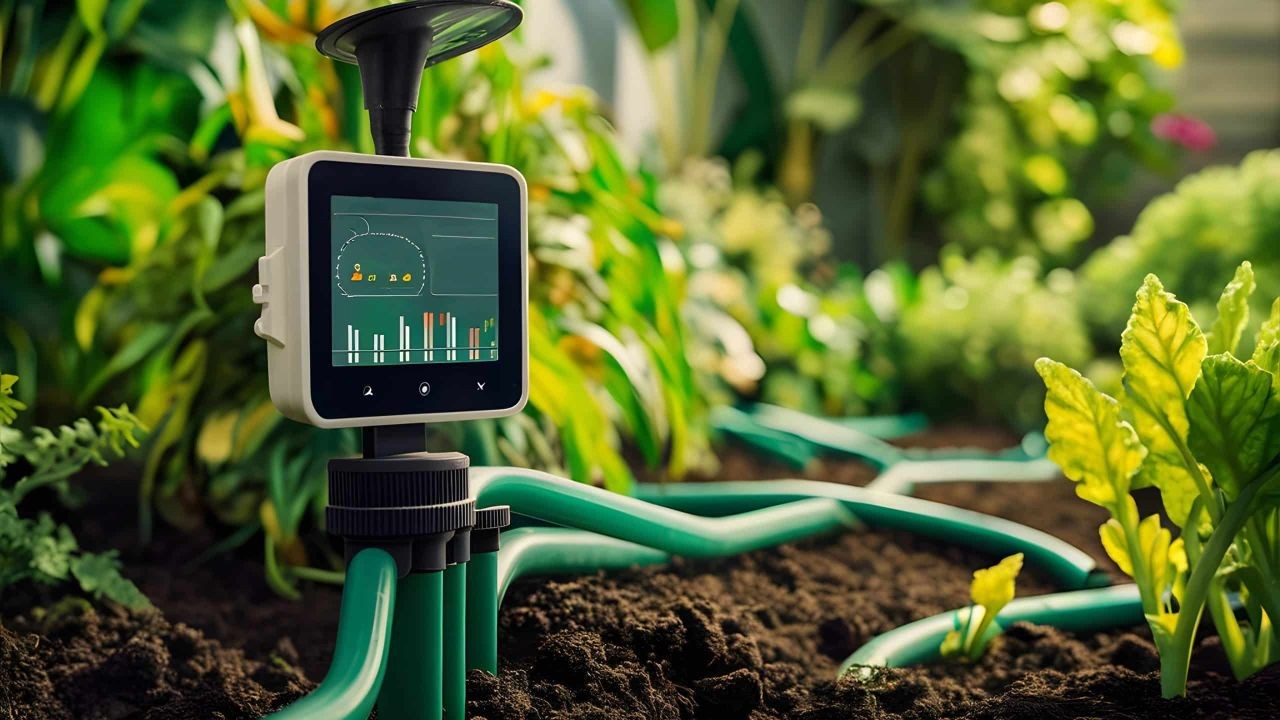
In the arid expanses of Australia, where water is as precious as gold, innovative solutions in agriculture are not just necessary—they are imperative. Australia's agricultural sector, a cornerstone of its economy, faces the daunting challenge of efficient water management amidst climate unpredictability. Smart irrigation and water management videos have emerged as pivotal tools for Australian farmers, providing them with the knowledge and techniques needed to optimize water use, increase crop yields, and sustain their livelihoods in an increasingly volatile environment.
Understanding Smart Irrigation: A Game Changer for Farmers
Smart irrigation systems leverage technology to monitor soil moisture levels, weather forecasts, and crop water requirements. These systems deliver precise amounts of water needed by plants, significantly reducing waste. According to the Australian Bureau of Statistics, agriculture consumes approximately 70% of the nation's water supply. With climate change intensifying drought conditions, smart irrigation is not just beneficial; it's essential.
The Rise of Smart Irrigation: Market Trends and Economic Factors
Australia's smart irrigation market has witnessed significant growth over the past few years, driven by advancements in IoT and AI technologies. The Reserve Bank of Australia's data indicates that investments in agricultural technologies have increased by 18% annually, reflecting a growing awareness among farmers of the need for sustainable practices. Moreover, government incentives aimed at promoting water conservation have further accelerated this trend.
Real-World Case Study: The Transformation of a Victorian Farm
Consider the case of a mid-sized farm in Victoria that faced severe water scarcity issues, impacting its crop productivity and profitability. By adopting a smart irrigation system integrated with soil moisture sensors and weather data analytics, the farm reduced water usage by 25%, increased crop yield by 30%, and achieved a return on investment within two years. This transformation highlights the tangible benefits and economic viability of smart irrigation systems.
Pros and Cons of Smart Irrigation Systems
Pros:
- Water Efficiency: Smart systems can reduce water usage by up to 50% compared to traditional irrigation methods.
- Increased Yields: By providing optimal water levels, smart irrigation enhances crop health and productivity.
- Cost Savings: Reduced water bills and improved crop yields translate into higher profits.
- Environmental Benefits: Minimizes water wastage and reduces the ecological footprint of farming operations.
- Scalability: Suitable for various farm sizes, from small family-owned plots to large commercial farms.
Cons:
- High Initial Costs: The setup of smart systems can be expensive, although long-term savings often offset these costs.
- Technical Complexity: Requires knowledge and skills to operate and maintain sophisticated technology.
- Data Privacy Concerns: The use of IoT devices raises issues regarding data security and privacy.
- Dependence on Technology: System failures or connectivity issues can disrupt irrigation schedules.
- Regional Limitations: Effectiveness can vary based on local climate and soil conditions.
Debunking Common Myths About Smart Irrigation
Despite the clear advantages, several myths persist regarding smart irrigation:
Myth vs. Reality
- Myth: Smart irrigation is too expensive for small farms.
- Reality: While initial costs may be high, government subsidies and long-term savings make it affordable for farms of all sizes. The Australian government provides financial assistance under the National Water Initiative to support sustainable water management practices.
- Myth: Smart irrigation systems are too complex to install and manage.
- Reality: Modern systems are user-friendly, and many providers offer support and training for farmers. Furthermore, the integration of AI simplifies the monitoring and management processes.
- Myth: Traditional irrigation methods are just as effective.
- Reality: Traditional methods often lead to over-irrigation, wasting water and harming crops. Studies by the CSIRO show that smart irrigation increases water efficiency by over 40% compared to conventional systems.
Regulatory Insights: Navigating Australian Water Policies
The Australian Competition & Consumer Commission (ACCC) plays a crucial role in ensuring fair water usage and pricing structures. Recent regulatory changes aim to promote transparency and efficiency in water markets, encouraging the adoption of smart technologies. Moreover, the Australian Taxation Office (ATO) offers tax incentives for investments in sustainable agriculture, including smart irrigation systems.
Future Trends: The Road Ahead for Smart Irrigation in Australia
As technology continues to evolve, the future of smart irrigation looks promising. By 2030, experts predict that over 60% of Australian farms will integrate smart irrigation systems. The integration of AI and machine learning will further enhance the precision and adaptability of these systems, allowing farmers to make data-driven decisions.
Conclusion: The Path Forward for Australian Farmers
Smart irrigation and water management videos are more than just educational tools; they are catalysts for change in Australian agriculture. By embracing these technologies, farmers can not only ensure their sustainability and profitability but also contribute to the broader goal of water conservation in a country where every drop counts. As we look to the future, the role of smart irrigation in shaping a resilient agricultural sector in Australia cannot be overstated.
Final Takeaways
- Smart irrigation is a critical investment for the future of Australian agriculture, offering water efficiency and increased crop yields.
- Government incentives and technological advancements make these systems more accessible and affordable.
- The integration of AI and IoT in irrigation systems will continue to drive innovation and efficiency in the sector.
- Farmers must weigh the initial costs against long-term benefits and consider smart irrigation as a viable solution to water scarcity challenges.
Call to Action
Are you ready to transform your farming operations with smart irrigation? Stay informed about the latest trends and technologies by subscribing to industry newsletters and join forums to share experiences and strategies with fellow farmers. Together, we can pave the way for a sustainable agricultural future in Australia.
People Also Ask (FAQ)
- How does smart irrigation impact Australia's agricultural sector? Smart irrigation enhances water efficiency, reduces costs, and boosts crop yields, making it vital for sustainable agriculture in Australia's climate-stressed environment.
- What are the biggest misconceptions about smart irrigation? A common misconception is that smart irrigation is too costly for small farms, but government subsidies and long-term savings make it feasible for all farm sizes.
- What are the best strategies for implementing smart irrigation? Start with assessing water needs, choose suitable technology, and leverage government incentives for a cost-effective implementation of smart irrigation systems.
Related Search Queries
- Smart irrigation systems Australia
- Water management techniques for farmers
- Government incentives for smart farming
- Impact of climate change on Australian agriculture
- IoT in agriculture
- Best irrigation practices for sustainable farming
- AI in water management
- Australian farm technology trends
- Water conservation policies in Australia
- Future of farming in Australia
For the full context and strategies on Smart Irrigation and Water Management Videos for Australian Farmers, see our main guide: Agritech Farm Innovation Videos Australia.