





The intersection of culture and commerce is a complex ecosystem, and nowhere is this more evident than in the evolution of a nation's creative industries. To examine the influence of Asian cultures on Australian pop music is not merely an exercise in musicology; it is a critical case study in cultural exchange, market forces, and identity formation within a globalized economy. This phenomenon is not a superficial trend of adopting sonic aesthetics. It is a profound, data-backed shift in Australia's cultural production, driven by demographic realities, strategic economic positioning in the Asia-Pacific, and the raw, disruptive power of digital platforms. From my work with Australian SMEs in the creative sector, I've observed that those who understand this not as a niche interest but as a fundamental market reorientation are the ones building sustainable, future-proof enterprises.
The Demographic and Economic Imperative: Beyond Aesthetic Choice
The narrative often begins with sound, but the foundation is unequivocally demographic. According to the Australian Bureau of Statistics, nearly one in five Australians (18.5%) has Asian ancestry, with Mandarin and Hindi among the fastest-growing languages spoken at home. This is not a distant, abstract statistic; it represents a massive, engaged domestic audience with distinct cultural touchpoints and consumption habits. For the Australian music industry, this is a fundamental market signal. Ignoring it is not just a cultural oversight but a significant commercial misstep.
Furthermore, Australia's economic future is inextricably linked to Asia. Trade agreements, tourism flows (with China, Japan, and India consistently in the top sources of international visitors pre-pandemic), and educational exports create a constant, bidirectional cultural current. The music industry, whether consciously or not, operates within this macro-economic frame. Drawing on my experience in the Australian market, I've seen how businesses that align their cultural output with these broader economic corridors gain disproportionate access to growth, investment, and partnership opportunities. A pop song that resonates across Sydney, Singapore, and Seoul is not just a hit; it's a strategic asset in a regionally integrated economy.
Deconstructing the Influence: A Framework for Analysis
The influence manifests across a spectrum, from the overt to the deeply integrated. To understand its depth, we must move beyond listing artists and examine the structural layers.
Layer 1: Direct Collaboration and Diasporic Voices
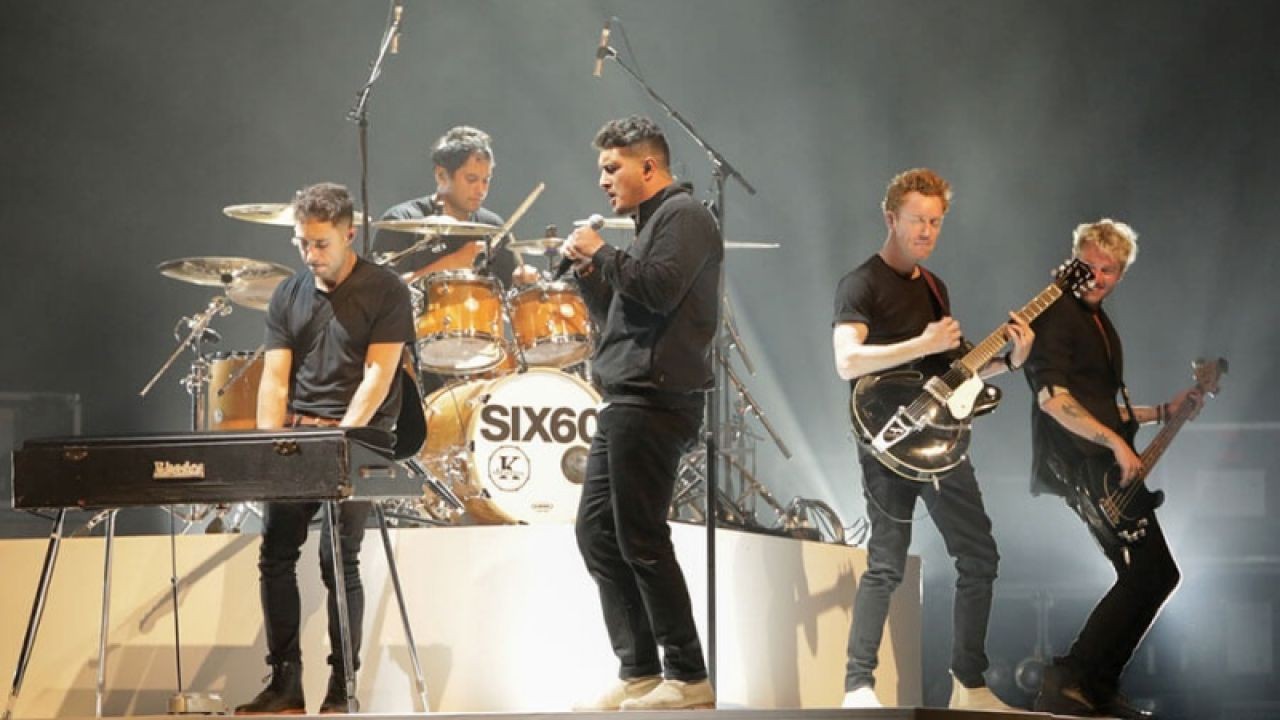
The most visible layer is the rise of diasporic artists and direct cross-border collaborations. Artists like Ruel (of Indonesian-Dutch descent), Japanese Wallpaper (Gab Strum), and Vetta Borne (Maribelle Anes) do not merely "incorporate" influences; they embody a hybrid cultural identity that is inherently Australian in the 21st century. Their success normalizes this identity within the mainstream. Similarly, collaborations such as K-pop giant BTS sampling Sia's track for "ON" or Dean Lewis co-writing with Korean producers are not random events. They are strategic, market-aware moves that leverage digital platforms to build bridges between massive fanbases, creating new commercial and creative pathways.
Layer 2: Sonic and Production Aesthetics
Beneath the artist level lies the pervasive integration of production techniques and song structures common in Asian pop markets. This includes:
- Hyper-digital, maximalist production: A move away from traditional "guitar-band" rock textures towards the shimmering, synth-heavy, and meticulously layered soundscapes prevalent in J-pop and K-pop.
- Structural innovation: Experimentation with song forms that break the Western verse-chorus-bridge mold, incorporating dramatic key changes, spoken-word segments, and intricate pre-chorus builds that create heightened emotional payoff.
- Linguistic blending: The seamless weaving of Korean, Japanese, or Mandarin phrases into English-language hooks, treating language as another textural element and a direct nod to a global fanbase.
In practice, with Australia-based teams I’ve advised, this shift demands a new skillset from producers and songwriters—a fluency in global, not just Anglo-American, pop grammar.
Layer 3: The Distribution and Fandom Ecosystem
Perhaps the most transformative layer is the platform-driven change in consumption. TikTok (Douyin) and YouTube are not neutral distribution channels; they are cultural engines with their own logic, heavily shaped by Asian tech giants and user bases. A dance challenge originating in Seoul can propel an unknown Australian producer to global virality overnight. The algorithmic promotion of K-pop and C-pop on these platforms has trained a generation of Australian listeners to appreciate different musical syntaxes. The industry no longer controls the pipeline; it responds to the patterns of engagement dictated by these platforms, where Asian cultural content is a dominant force.
Reality Check for Australian Businesses
Several persistent misconceptions hinder a clear-eyed understanding of this shift. Based on my work with Australian SMEs in creative fields, these are the costly strategic errors I frequently encounter.
Myth 1: "This is just a passing K-pop fad." Reality: This is a structural, demographic, and technological realignment. K-pop is merely the most visible spearhead of a broader cultural wave encompassing film, fashion, and food. The 2022 Australia Now report by the Asia Society highlighted that cultural connectivity is a key pillar of Australia's long-term strategic engagement with Asia. Dismissing it as a fad ignores a core pillar of national policy and economic future-proofing.
Myth 2: "To succeed, Australian artists must imitate Asian pop directly." Reality: The most successful integrations are authentic syntheses, not imitations. Artists like Flume (who has collaborated with Korean artists like EPIK HIGH) succeed by merging his distinctive future-bass production with new vocal styles, creating a third, unique sound. The market rewards innovation, not replication.
Myth 3: "This influence only matters for the youth pop market." Reality: The influence trickles across genres. The atmospheric production in indie-folk, the rhythmic complexities in electronic dance music, and even the visual storytelling in country music videos are all being subtly shaped by the high-production-value, digitally-native aesthetics pioneered in Asian entertainment hubs.
Strategic Implications and the Path Forward
For the Australian music industry—from labels and publishers to venues and policymakers—this cultural shift demands a proactive, strategic response.
1. Invest in Cultural Intelligence: This goes beyond hiring a diaspora A&R scout. It requires deep investment in understanding the nuances of different Asian markets—their platforms, payment systems, copyright laws, and promotional cycles. The Australian Trade and Investment Commission (Austrade) has programs supporting creative exports to Asia; leveraging these should be standard practice.
2. Redefine "Export Ready": Being export-ready no longer means just having a Spotify profile. It means having content subtitled in multiple languages, understanding the data analytics of Tencent Video or Naver, and building relationships with influencers on Bilibili or LINE. From consulting with local businesses across Australia, the ones building these capabilities now are laying the groundwork for decade-long growth.
3. Policy and Education Alignment: Support from bodies like the Australia Council for the Arts must evolve to fund not just tours, but sustained market immersion and digital strategy for Asia. Music education should incorporate studies of East Asian pop music theory and business, preparing the next generation of artists and executives for the market they will actually operate within.
The Future Soundscape: Predictions for an Asia-Literate Industry
The trajectory is clear. We will see the rise of the fully bilingual Australian pop star, engineered from inception for pan-Asian appeal. Co-production deals between Australian independent labels and Korean entertainment conglomerates will become commonplace, sharing IP and market access. Furthermore, as Southeast Asia's digital economy booms, we will witness the influence of Indonesian pop (Pop Indo) and Thai pop (T-Pop) begin to shape Australian sounds, adding another layer to this complex exchange. The artists and businesses that thrive will be those that treat the Asia-Pacific not as an export destination, but as their home market.
Final Takeaway & Call to Action
The influence of Asian cultures on Australian pop music is a powerful lens through which to view Australia's ongoing national evolution. It is a story of demographic change, economic pragmatism, and digital disruption converging in the creative sphere. This is not about cultural dilution, but about the dynamic, sometimes challenging, synthesis that defines a modern, confident, and connected nation.
The call to action is unambiguous: Develop Asia-literacy as a core competency. Whether you are an artist, manager, investor, or policymaker, dedicate resources to understanding this shift at a systemic level. Audit your strategies, partnerships, and content through this lens. The future of Australian pop—and indeed, its broader creative economy—will be written not in isolation, but in fluent collaboration with its Asian neighbours.
What's your observation on the ground? Have you seen local venues, festivals, or education programs successfully adapt to this new reality? Share your insights and let's discuss the practical pathways forward.
People Also Ask (PAA)
How is this influence impacting Australia's music industry revenue? While direct revenue attribution is complex, it opens lucrative licensing, streaming, and touring opportunities in the world's fastest-growing music markets. Success in Asia can transform an artist's commercial scale, providing revenue that supports sustainable careers beyond the limited domestic market.
What's the biggest mistake Australian artists make when trying to engage Asian audiences? The biggest mistake is a lack of authentic commitment. Posting a poorly translated social media post or adding a generic "Asian-sounding" synth is quickly identified as tokenistic. Audiences seek genuine respect and understanding, which requires long-term investment in relationship and cultural learning.
Are there Australian government initiatives supporting this cultural exchange? Yes. Programs through Austrade, the Australia Council for the Arts, and state-level screen and music bodies offer grants, market delegations, and in-country support for artists and businesses looking to develop projects and partnerships across Asia.
Related Search Queries
- Australian K-pop inspired artists
- Impact of TikTok on Australian music trends
- Asia-Pacific music market opportunities for Australia
- Australian diaspora musicians success
- Collaboration between Australian and Korean producers
- Teaching Asian pop music in Australian schools
- Exporting Australian music to Southeast Asia
- Demographics of Australian music consumers
- Role of SBS in promoting Asian-Australian music
- Future of Australian pop music sound
For the full context and strategies on The Influence of Asian Cultures on Australian Pop Music. – (And How It Impacts Aussie Consumers), see our main guide: Australian Creators Made For Australia.