



In recent years, Australia has emerged as a critical player in the global shift toward renewable energy. This transition is particularly evident in the realms of wind and hydro energy, which collectively hold significant potential for supporting Australia's energy needs. Understanding the importance of these renewable sources, the Australian government has actively promoted educational and engaging video content to raise public awareness and drive adoption. This article delves into the historical progression of wind and hydro energy in Australia, examining the current trends and potential impacts on the nation’s economy and environment.
The Historical Context of Renewable Energy in Australia
The journey of renewable energy in Australia began in earnest during the late 20th century. Initially, the country heavily relied on coal and other fossil fuels, which were plentiful and economically viable. However, growing environmental concerns and international pressure to reduce carbon emissions led to the exploration of alternative energy sources.
In the late 1990s, Australia saw its first significant investments in wind energy, particularly in South Australia, which boasts some of the most favorable wind conditions in the world. Similarly, hydroelectric power has a long-standing history in Australia, with the Snowy Mountains Hydro-Electric Scheme, completed in 1974, being one of the most significant hydroelectric projects in the Southern Hemisphere.
Wind Energy: Harnessing Nature’s Power
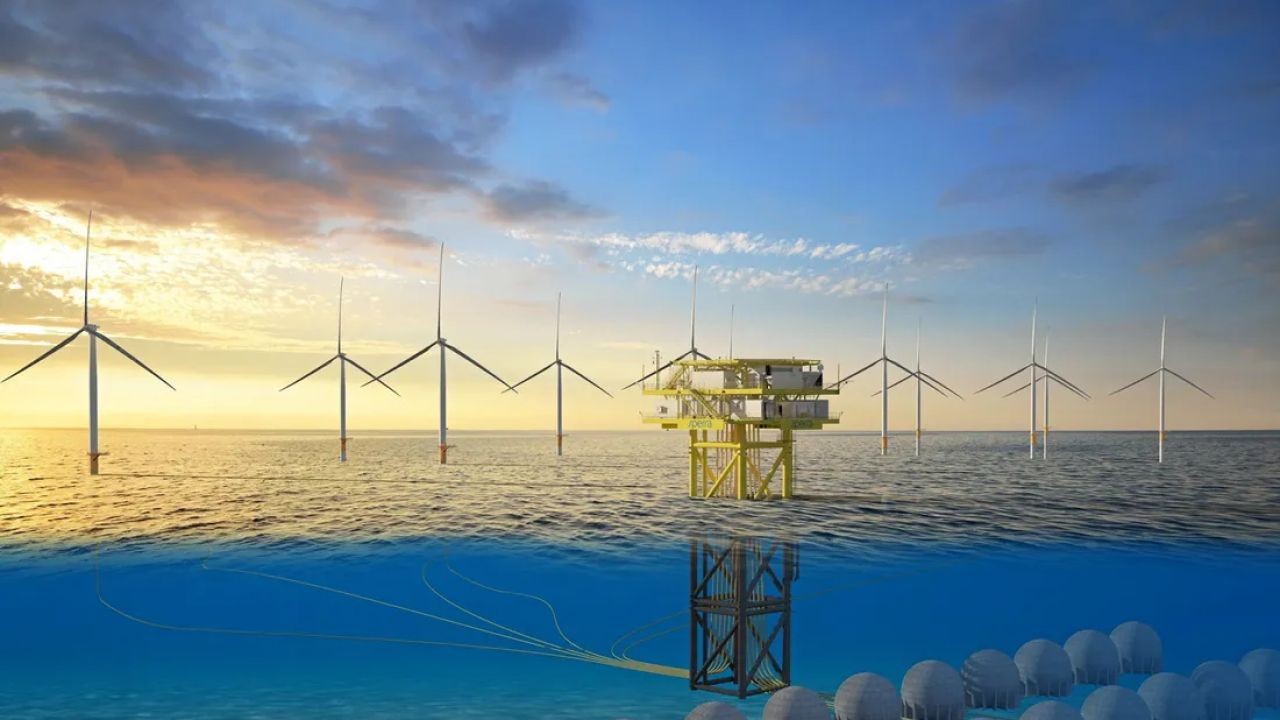
Wind energy has become a cornerstone in Australia’s renewable energy strategy. According to the Australian Energy Market Operator (AEMO), wind power accounted for approximately 10% of the country's electricity generation in 2023. The ongoing development of wind farms across the nation, especially in Victoria and New South Wales, underscores wind energy's growing importance.
Case Study: Hornsdale Wind Farm
Problem: The Hornsdale Wind Farm, located in South Australia, faced challenges related to energy storage and grid stability.
Action: To address these issues, the farm integrated a battery storage system, known as the Tesla Big Battery, which can store up to 100 MW of energy.
Result: The integration has enhanced grid reliability and reduced energy costs, saving the state approximately AUD 40 million annually.
Takeaway: This case study illustrates the effectiveness of combining wind energy with advanced storage solutions to ensure grid stability and cost efficiency.
Hydro Energy: The Backbone of Renewable Infrastructure
Hydroelectric power plays a pivotal role in Australia's renewable energy landscape. As of 2022, hydro energy contributed around 6% to the national electricity mix. The Snowy Hydro 2.0 project, currently under construction, aims to significantly increase this contribution by providing an additional 2000 MW of energy storage capacity.
Case Study: Snowy Hydro 2.0
Problem: The challenge was to meet the rising energy demands while transitioning to cleaner energy sources.
Action: The Snowy Hydro 2.0 project involves constructing new tunnels and power stations to expand the existing hydroelectric infrastructure.
Result: Once completed, the project will provide energy storage to support renewable energy sources, contributing significantly to grid stability.
Takeaway: The Snowy Hydro 2.0 exemplifies how expanding hydroelectric capacity can bolster renewable energy integration and provide substantial energy storage solutions.
Economic Implications and Industry Trends
Renewable energy is not only an environmental imperative but also an economic opportunity. The Australian Bureau of Statistics (ABS) reported that the renewable energy sector contributed over AUD 3 billion to the economy in 2022, with projections indicating significant growth in the coming years.
The development of wind and hydro energy projects has spurred job creation, particularly in regional areas. According to the Clean Energy Council, the sector supported over 25,000 jobs in 2023, with expectations of continued employment growth as more projects come online.
Regulatory Insights
The Australian Competition & Consumer Commission (ACCC) plays a vital role in ensuring fair competition and consumer protection within the renewable energy sector. The ACCC's oversight helps maintain transparency and affordability as the market evolves.
Debunking Myths and Misconceptions
- Myth: "Renewable energy is too expensive to implement." Reality: With technological advancements and economies of scale, the cost of renewable energy has decreased significantly. According to the International Renewable Energy Agency (IRENA), the cost of wind and solar power has fallen by over 70% since 2010.
- Myth: "Wind and hydro energy are unreliable." Reality: Modern energy storage solutions and grid management technologies have enhanced the reliability of renewable energy sources.
- Myth: "Renewable energy cannot meet Australia's energy demands." Reality: Studies indicate that with appropriate investments in infrastructure and technology, renewable energy can meet and even exceed Australia's energy needs.
Future Trends and Predictions
Looking ahead, Australia's renewable energy sector is poised for substantial growth. The Clean Energy Regulator predicts that by 2030, renewable energy could account for up to 50% of Australia's electricity generation. This shift will likely be driven by continued investments in wind and hydro projects, coupled with advancements in energy storage technologies.
Moreover, government policies aimed at achieving net-zero emissions by 2050 will further accelerate the adoption of renewable energy. The integration of cutting-edge technologies, such as artificial intelligence and blockchain, could optimize energy management and distribution, making renewable sources even more viable.
Conclusion
The potential of wind and hydro energy in Australia is immense, both in terms of environmental benefits and economic opportunities. By investing in these renewable sources, Australia can reduce its carbon footprint, enhance energy security, and stimulate economic growth. As the nation continues its transition to a sustainable energy future, the role of educational and engaging video content in raising awareness and driving adoption cannot be overstated.
What are your thoughts on Australia's renewable energy potential? Share your insights and join the conversation below!
People Also Ask (FAQ)
- How does wind energy impact Australia's economy? Wind energy projects have created thousands of jobs and contributed billions to the economy, according to ABS data, boosting regional development.
- What are the biggest misconceptions about renewable energy? A common myth is that renewables are too costly, but IRENA reports that costs have decreased over 70% since 2010.
- What upcoming changes in Australia could affect renewable energy? By 2026, policy updates aiming for net-zero emissions could significantly boost renewable energy projects.
Related Search Queries
- Australia wind energy potential
- Hydroelectric power in Australia
- Renewable energy jobs in Australia
- Australia net-zero emissions policy
- Future of energy storage in Australia
- Renewable energy costs in Australia
- Australian renewable energy projects
- Wind energy reliability
- Hydro energy benefits
- Clean energy council Australia
For the full context and strategies on Wind and Hydro Energy Videos Explaining Australia’s Renewable Potential, see our main guide: Energy Tech Innovation Videos Australia.