

As the adoption of eco-friendly practices continues to gain traction globally, the interior design sector is not left behind. In Australia, the demand for sustainable living spaces has surged, driven by both consumer preference and government policies aiming at carbon neutrality. But how can Australians effectively embrace eco-friendly interior design? The answer lies in leveraging video tutorials as a potent tool for knowledge dissemination and practical guidance. This article dives into the benefits and challenges of eco-friendly interior design tutorials tailored for Australian homes. Moreover, we explore industry insights, regulatory frameworks, and actionable strategies that can propel this trend forward.
Eco-Friendly Interior Design: A Growing Trend in Australia
Australia's push towards sustainability is evident in its ambitious goals for reducing carbon emissions. According to the Australian Bureau of Statistics, the construction and real estate sectors have been pivotal in driving environmental initiatives. The Green Building Council of Australia reports that green building practices can reduce energy consumption by up to 25%, making eco-friendly interior design a critical component of this movement.
Industry Insights and Economic Factors
- The Australian economy is increasingly focused on sustainable development, with policies supporting renewable energy and green construction.
- Consumer demand for eco-friendly products has risen, with 70% of Australians willing to pay more for sustainable goods (Source: CSIRO, 2024).
- Government incentives, such as tax rebates for energy-efficient home improvements, bolster the adoption of eco-friendly designs.
Case Study: Green Design in Sydney Homes
Problem: Sydney homeowners faced rising energy costs and environmental concerns. Traditional home designs were not optimized for sustainability, leading to inefficient energy use.
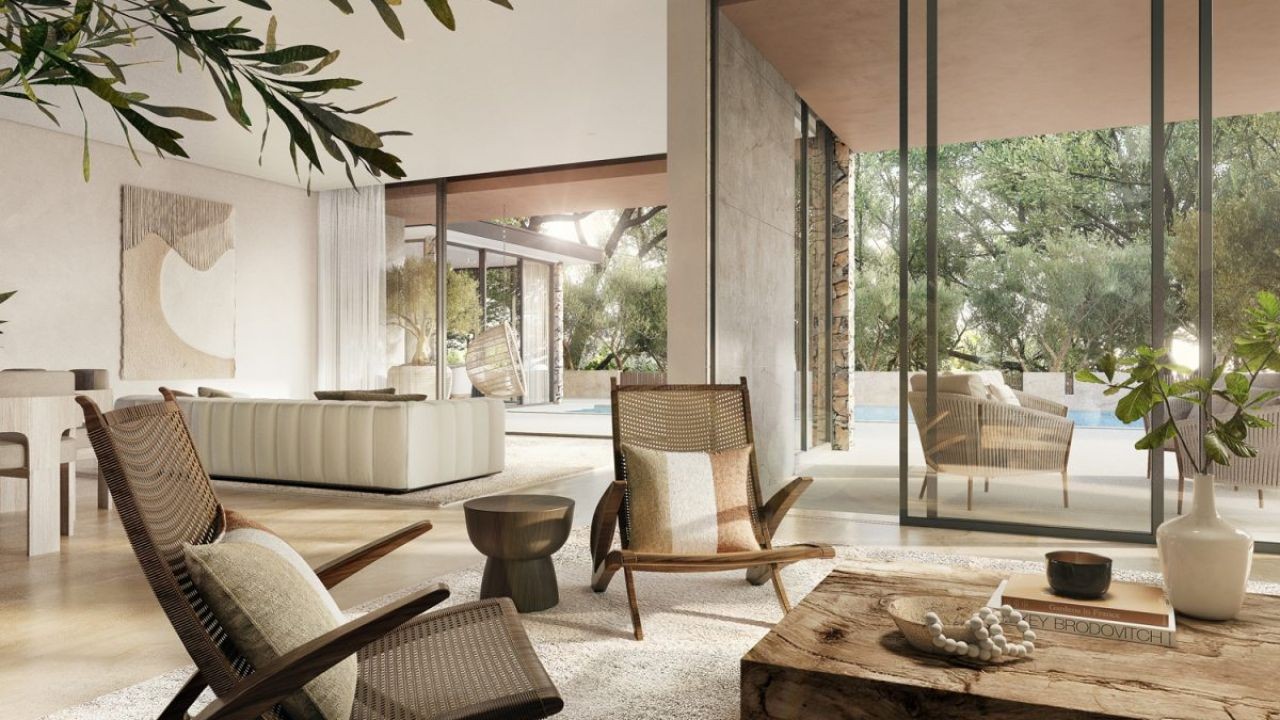
Action: A local design firm, EcoSpaces, introduced video tutorials focusing on sustainable interior design practices such as maximizing natural light, using recycled materials, and incorporating energy-efficient appliances. These tutorials offered step-by-step guidance on transforming spaces into eco-friendly havens.
Result: Over six months, homes that integrated EcoSpaces' design principles saw a 30% reduction in energy bills. Moreover, homeowners reported a 50% improvement in indoor air quality.
Takeaway: Video tutorials are a powerful medium for educating homeowners on eco-friendly practices, leading to tangible economic and environmental benefits.
Pros and Cons of Eco-Friendly Interior Design Video Tutorials
While video tutorials offer a plethora of advantages, they also come with certain limitations. Here’s a balanced view:
✅ Pros:
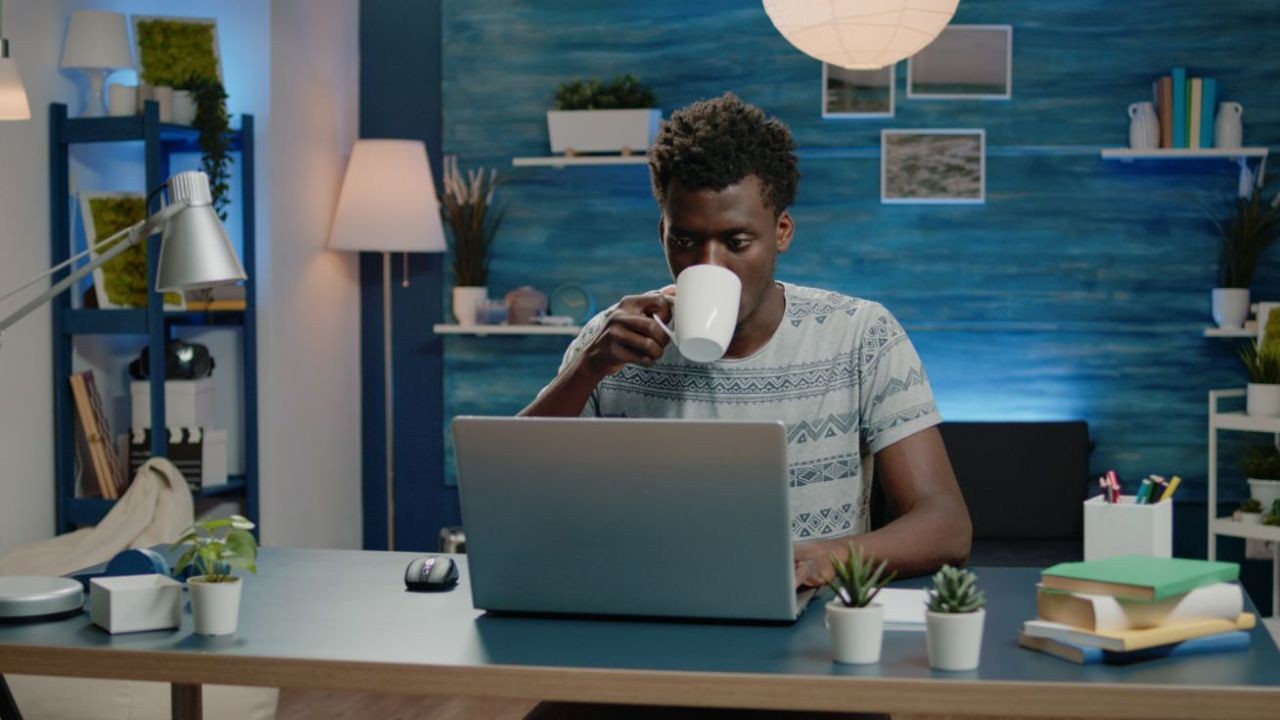
- Accessibility: Tutorials can be accessed anytime, offering flexibility for users.
- Cost-Effective: Homeowners can execute DIY projects without hiring expensive professionals.
- Engagement: Visual aids enhance understanding and retention of complex design concepts.
- Scalability: Can reach a wide audience, promoting sustainable practices on a large scale.
❌ Cons:
- Quality Variance: The effectiveness of tutorials depends heavily on the creator's expertise.
- Limited Interaction: Unlike in-person guidance, there is no immediate feedback or personalized advice.
- Technical Barriers: Not all users may have access to the necessary technology or internet bandwidth.
Regulatory Insights: Navigating Australian Policies
The Australian Competition & Consumer Commission (ACCC) emphasizes the importance of truthful advertising in sustainable products. Companies offering eco-friendly design tutorials must ensure that their claims are backed by evidence to avoid misleading consumers. Furthermore, the Australian Prudential Regulation Authority (APRA) encourages businesses to integrate Environmental, Social, and Governance (ESG) factors into their operations, aligning with global sustainability standards.
Debunking Myths in Eco-Friendly Interior Design
- Myth: "Sustainable design is unaffordable for the average homeowner." Reality: Many cost-effective materials and techniques are available that do not compromise on quality (Source: Green Building Council of Australia).
- Myth: "Eco-friendly designs are not aesthetically pleasing." Reality: Modern sustainable designs prioritize both functionality and aesthetics, offering a range of stylish options.
Future Trends and Predictions
The future of eco-friendly interior design in Australia looks promising. By 2030, it's predicted that over 60% of new homes will incorporate sustainable design principles as standard practice, driven by consumer demand and regulatory pressures (Source: CSIRO). Additionally, advancements in technology will further facilitate the creation and dissemination of high-quality video tutorials, making sustainable design more accessible.
Conclusion
Eco-friendly interior design video tutorials have the potential to significantly impact how Australians approach sustainable living. By providing accessible, cost-effective, and engaging resources, these tutorials empower homeowners to make informed decisions that benefit both their wallets and the environment. As Australia continues its journey towards sustainability, embracing digital learning tools will be crucial. What's your take on the role of video tutorials in promoting sustainable design? Share your insights below!
People Also Ask (FAQ)
- How does eco-friendly interior design impact Australian homes? Eco-friendly design enhances energy efficiency, reduces bills, and improves indoor air quality. A 30% cut in energy costs is common for homes adopting green practices (Source: CSIRO).
- What are the biggest misconceptions about eco-friendly interior design? A common myth is that it's costly, yet many affordable materials and techniques are available, debunking this notion (Source: Green Building Council of Australia).
- What are the best strategies for implementing eco-friendly design? Start with energy-efficient appliances, use recycled materials, and maximize natural lighting for sustainable results.
Related Search Queries
- Eco-friendly home design trends Australia
- Sustainable interior design tutorials
- Green building practices in Australia
- Energy-efficient home improvements
- Recycled materials in interior design
For the full context and strategies on Eco-Friendly Interior Design Video Tutorials for Australian Homes, see our main guide: Home Decor Interior Design Videos Australia.