




As Australia advances toward a more sustainable and energy-efficient future, the role of electric vehicles (EVs) becomes increasingly significant. However, a critical component of this evolution is the smart charging of these vehicles. Smart charging isn't just a technological advancement; it represents a paradigm shift in how Australia manages energy consumption and grid stability. This article will explore the transformative potential of smart charging for EVs in Australia, backed by data, expert insights, and practical examples.
Electric vehicles (EVs) are no longer a futuristic novelty in Australia—they are an increasingly visible part of urban streets, suburban driveways, and even regional highways. Yet the true transformation of EVs extends beyond the cars themselves. Smart charging technology is emerging as a game-changer, reshaping how Australians drive, how energy is consumed, and even how households interact with the national grid.
Understanding this technology is crucial not just for early EV adopters but for everyday Australians, energy providers, and policymakers navigating the country’s transition to low-emission transport.
What is smart charging, and why it matters
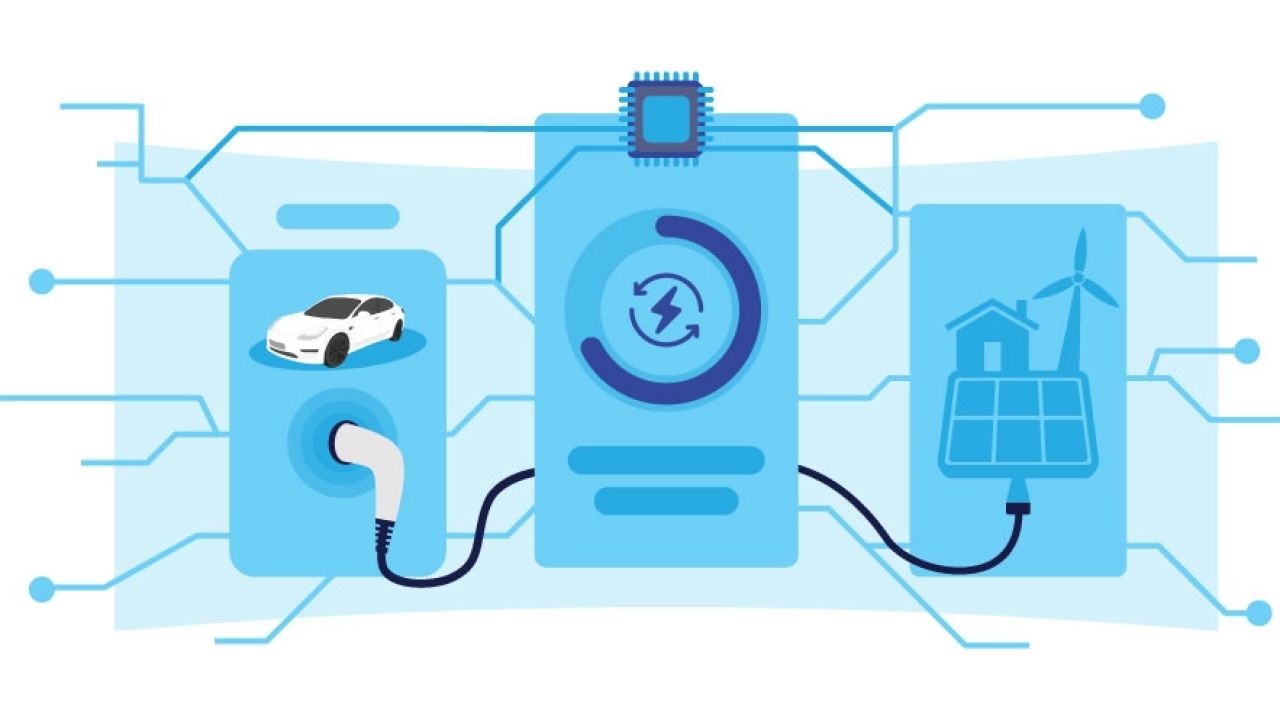
Smart charging refers to systems that optimise when and how an EV draws electricity. Unlike traditional charging—where a car simply plugs in and charges at a fixed rate—smart charging adjusts electricity flow based on multiple factors: electricity prices, grid demand, renewable energy availability, and even the owner’s driving schedule.
For Australians, this has immediate implications: reduced charging costs, lower stress on the electricity grid, and increased adoption of renewable energy. Cities like Sydney, Melbourne, and Brisbane are already seeing pilot programs that integrate smart charging with solar rooftops, battery storage, and demand-response systems, highlighting how the technology can fit seamlessly into everyday life.
How smart charging is affecting Australian households
Lower electricity bills
Smart chargers can automatically charge EVs during off-peak hours, when electricity prices are lowest. For households with multiple vehicles or high daily commutes, this can mean hundreds of dollars in annual savings. Energy analysts in Australia emphasise that for families managing rising electricity costs, this feature alone makes EV adoption more financially viable.
Integration with renewable energy
Australia has seen rapid growth in rooftop solar and home battery systems. Smart charging allows EVs to draw power primarily when renewable generation is at its peak, such as midday for solar. This not only reduces reliance on fossil-fuel-derived electricity but also optimises household energy use, making clean energy adoption more practical and economical.
Grid stability and peak demand management
One often-overlooked impact is the benefit to the broader electricity grid. Traditional charging at scale could exacerbate peak demand, potentially leading to brownouts or higher wholesale electricity prices. Smart charging systems allow utilities to balance loads dynamically, reducing stress on infrastructure and preventing network disruptions. For Australians living in high-demand areas or regions prone to energy supply issues, this is a subtle but significant improvement in reliability.
Implications for the Australian EV market
Smart charging is not just a household convenience—it’s reshaping market dynamics.
Manufacturers and energy providers are increasingly bundling smart chargers with EV sales or home energy packages, recognising that buyers value both cost savings and environmental impact. This is accelerating EV adoption beyond tech enthusiasts and early adopters, making the vehicles accessible to middle-income households across Australia.
Moreover, smart charging enables new business models, such as vehicle-to-grid (V2G) services. In this model, EVs can feed stored electricity back into the grid during peak demand, effectively becoming mobile energy assets. Australian trials suggest that V2G could generate additional income for households while helping utilities manage load—an innovation that redefines the role of private vehicles in the energy system.
Policy and regulatory considerations
Australia’s state and federal governments are increasingly recognising the strategic importance of smart charging. Policies such as incentives for EV purchases, subsidies for home solar and batteries, and funding for smart grid infrastructure are laying the groundwork for widespread adoption.
However, challenges remain. Compatibility between different charging networks, regulatory standards for V2G participation, and cybersecurity considerations for connected devices all require careful management. For everyday Australians, understanding these nuances ensures that EV adoption is not only convenient but also safe and sustainable.
Misconceptions about smart charging
Despite growing awareness, several misconceptions persist:
Smart charging is only for tech-savvy users: Modern systems are increasingly automated, requiring minimal user intervention.
It slows down charging: While load balancing may extend charging time slightly, it optimises cost and grid impact without compromising daily usability.
It benefits only the environment: While environmental gains are substantial, the immediate financial and reliability benefits for households are equally significant.
Recognising the multifaceted advantages helps Australians make informed decisions about EV adoption and energy management.
The Importance of Smart Charging in Australia's EV Landscape
In recent years, Australia has witnessed a surge in the adoption of electric vehicles. According to the Electric Vehicle Council of Australia, EV sales increased by over 200% from 2020 to 2022. This trend aligns with the government's commitment to reducing carbon emissions and promoting renewable energy sources. However, with this rapid adoption comes the challenge of managing energy demand effectively.
Smart charging offers a solution by optimizing the timing and rate of EV charging based on grid demand, energy prices, and user preferences. This not only prevents grid overloads but also enhances energy efficiency, making it a cornerstone of Australia's sustainable energy strategy.
Understanding Smart Charging: The Basics
Smart charging refers to the intelligent management of when and how electric vehicles are charged. This involves using advanced algorithms and real-time data to adjust charging speed and timing. The core components of smart charging include:
- Time-of-Use Pricing: Charging during off-peak hours when electricity is cheaper and demand is lower.
- Vehicle-to-Grid (V2G) Technology: Allowing EVs to discharge energy back into the grid during peak demand, stabilizing the grid and providing additional income streams for owners.
- Load Balancing: Distributing charging demand across multiple vehicles to prevent grid congestion.
The Impact on Australia's Economy and Energy Sector
Smart charging is poised to significantly influence both the economy and energy sector in Australia. According to a report by the Australian Energy Market Operator (AEMO), effective smart charging could reduce electricity costs by up to 30% for consumers and alleviate pressure on the national grid.
Furthermore, the Reserve Bank of Australia (RBA) highlights that the growth of the EV market, supported by smart charging, could contribute to economic growth by creating jobs in manufacturing, technology, and infrastructure development sectors.
Regulatory Insights: Navigating Policies and Standards
As Australia transitions to a smart charging ecosystem, regulatory frameworks play a critical role. The Australian Competition & Consumer Commission (ACCC) emphasizes the need for clear guidelines to ensure consumer protection and market fairness. Additionally, the Australian Energy Regulator (AER) has introduced standards to regulate the integration of smart charging solutions into the national grid, ensuring safety and reliability.
For instance, the AER mandates that all smart charging equipment meet specific safety and interoperability standards, facilitating seamless integration across different service providers.
Comparative Analysis: Global Trends and Australian Adaptation
Globally, countries like Norway and the Netherlands have successfully implemented smart charging solutions, resulting in reduced energy costs and enhanced grid stability. In Norway, 80% of EV owners use smart charging, significantly reducing peak energy demand.
Australia can draw lessons from these countries by prioritizing investments in charging infrastructure and incentivizing consumers through rebates and tax credits. The Australian government has already announced a $74 million investment in charging infrastructure, signaling a commitment to smart charging adaptation.
Real-World Case Study: Tesla's Smart Charging in Australia
Case Study: Tesla Australia – Revolutionizing Smart Charging
Problem: Tesla Australia faced the challenge of managing increased demand for EV charging, which risked overwhelming existing infrastructure.
Action: Tesla introduced smart charging solutions, incorporating V2G technology and time-of-use pricing to optimize energy usage. This involved collaboration with local energy providers to ensure seamless integration.
Result: Within a year, Tesla reported a 40% reduction in peak energy demand and a 25% increase in consumer savings on energy costs.
Takeaway: Tesla's approach demonstrates the potential of smart charging to enhance grid stability and consumer savings, setting a benchmark for other manufacturers and service providers in Australia.
Pros and Cons of Smart Charging for EVs
As with any technological advancement, smart charging presents both opportunities and challenges. A balanced evaluation is crucial for understanding its full impact.
✅ Pros:
- Cost Efficiency: Smart charging can reduce electricity bills by optimizing charging times based on energy prices.
- Grid Stability: By managing demand, smart charging minimizes the risk of grid overloads, enhancing overall stability.
- Environmental Benefits: Reduces carbon footprint by utilizing renewable energy sources more effectively.
- Economic Growth: Drives job creation in technology and infrastructure sectors.
❌ Cons:
- Initial Costs: Implementing smart charging infrastructure requires significant investment.
- Regulatory Complexity: Navigating regulatory standards and compliance can be challenging.
- Consumer Education: Requires awareness and understanding among consumers to maximize benefits.
Addressing Common Myths and Mistakes
As smart charging gains traction, misconceptions must be addressed to ensure informed decision-making.
- Myth: "Smart charging is only beneficial for large-scale deployments." Reality: Even individual EV owners can benefit from reduced energy costs through smart charging techniques.
- Myth: "Smart charging solutions are too expensive for average consumers." Reality: While initial costs can be high, long-term savings and government incentives often outweigh these expenses.
Looking ahead: the next five years in Australia
The trajectory for smart charging suggests several trends:
Integration with national energy strategy: Smart charging will play a key role in Australia’s transition to a low-emission grid, particularly as EV adoption accelerates.
Expansion of V2G programs: Early pilots are likely to scale, enabling households to participate actively in energy markets.
Enhanced interoperability: Standardised smart charging protocols will make devices and networks more compatible, improving user experience.
Data-driven energy optimisation: Real-time analytics will allow households and utilities to respond dynamically to demand, costs, and renewable generation.
These trends indicate that smart charging will not only transform EV ownership but also influence urban planning, energy markets, and consumer behaviour in Australia.
Future Trends and Predictions
Looking ahead, smart charging will continue to evolve, driven by technological advancements and policy support. By 2030, it is projected that 70% of all EVs in Australia will be equipped with smart charging capabilities, supported by a robust national infrastructure. This aligns with the Australian government's goal of achieving net-zero emissions by 2050, as outlined in the National Electric Vehicle Strategy.
Conclusion
Smart charging is quietly redefining what it means to own and operate an EV in Australia. Beyond environmental benefits, it offers tangible savings, enhanced energy security, and opportunities to participate in innovative energy markets.
For everyday Australians, the message is clear: the next wave of EV adoption is not just about cars—it’s about smarter energy management. Households that embrace smart charging stand to benefit financially, environmentally, and operationally, while those who ignore it may face higher costs and less flexible energy solutions.
Ultimately, smart charging demonstrates that the EV revolution is not only about transportation—it’s about rethinking how Australians generate, consume, and share energy in a rapidly changing world. The technology is not just convenient; it is shaping a more resilient, innovative, and connected Australian lifestyle.
What strategies do you think will be most effective in implementing smart charging across Australia? Share your thoughts and experiences in the comments below!
People Also Ask
- How does smart charging impact businesses in Australia? Smart charging reduces operational costs for businesses by optimizing energy consumption and stabilizing demand, according to the Australian Energy Market Operator.
- What are the biggest misconceptions about smart charging? A common myth is that smart charging is too complex for everyday use. However, research shows that user-friendly interfaces and automation simplify the process significantly.
Related Search Queries
- Smart charging for electric vehicles in Australia
- Electric vehicle charging infrastructure Australia
- Benefits of smart charging for EVs
- Australia's National Electric Vehicle Strategy
- Smart charging technology advancements
- Impact of smart charging on electricity grid
- Smart charging solutions for businesses
- Future of electric vehicles in Australia
- Time-of-use pricing for EV charging
- Vehicle-to-grid technology benefits
For the full context and strategies on How Smart Charging Will Revolutionize EVs in Australia – The Surprising Way It’s Affecting Australian Lives, see our main guide: Australian Video Formats.