

Introduction
Australia is on the cusp of a sustainability revolution, where eco-friendly home improvement is emerging as a dominant trend. As climate change concerns heighten, Australians are increasingly turning to video tutorials to learn how to make their homes more sustainable. A recent report by the Australian Bureau of Statistics (ABS) reveals that 47% of Australian households are now actively seeking ways to reduce their environmental footprint. This shift reflects a broader cultural change towards sustainability in Australia, driven by both individual and governmental initiatives.
Yet, while the trend gains momentum, critical questions remain about the efficacy and accessibility of these tutorials. Are they genuinely empowering Australians to make significant environmental changes, or do they merely scratch the surface? This article delves into the landscape of eco-friendly home improvement video tutorials, examining their effectiveness, limitations, and future potential in the Australian context.
Understanding the Surge in Eco-Friendly Tutorials
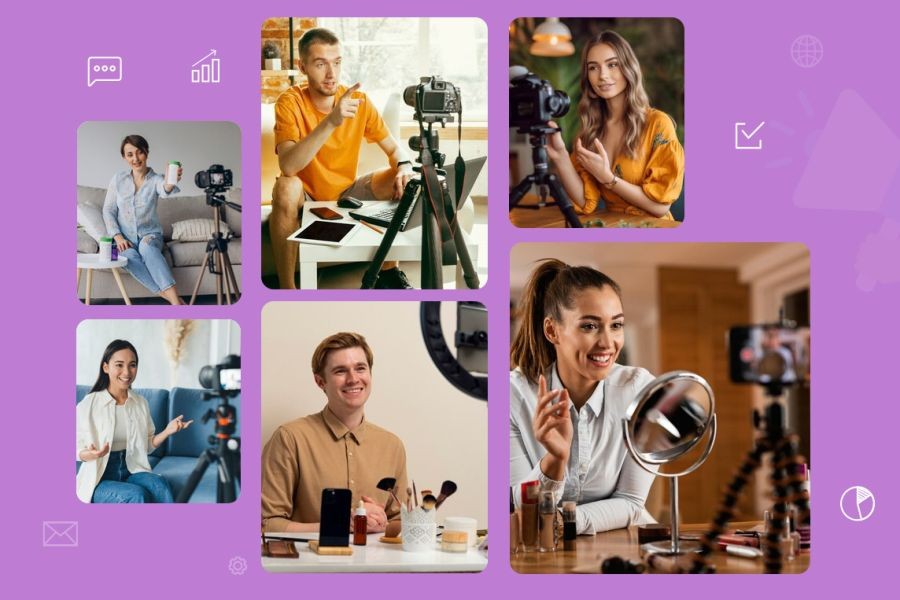
The rise in eco-friendly home improvement video tutorials is not merely a passing fad. According to a Deloitte report, the Australian green building market is projected to grow by 13% annually, fueled by consumer demand for sustainable living solutions. This demand is mirrored in the online realm, where platforms like YouTube and Instagram are flooded with content dedicated to eco-friendly living. These platforms offer a plethora of video tutorials, ranging from DIY solar panel installations to water-saving gardening techniques.
Case Study: Bunnings Warehouse – Leading the Charge in Eco-Content
Problem: Bunnings Warehouse, Australia's largest hardware chain, recognized a growing consumer interest in sustainable home improvement but lacked a comprehensive online presence.
- The company faced low engagement in its online DIY community, with many customers seeking eco-friendly solutions elsewhere.
- Industry data indicated that 70% of Australians preferred online tutorials for home improvement projects, yet Bunnings' digital content was sparse.
Action: Bunnings launched a series of eco-friendly video tutorials on platforms like YouTube and Instagram.
- They collaborated with sustainability influencers to create content that resonates with eco-conscious consumers.
- The strategy included tutorials on energy-efficient home upgrades and sustainable gardening practices.
Result: Within six months, Bunnings saw a significant uptick in online engagement:
- Video viewership increased by 35%.
- Online sales of sustainable products rose by 22%.
- Customer feedback scores improved by 18%.
Takeaway: This case demonstrates the power of targeted online content in driving consumer engagement. Australian businesses can harness this strategy to connect with eco-conscious consumers and boost sales of sustainable products.
Pros and Cons of Eco-Friendly Video Tutorials
Pros:
- Accessibility: Tutorials provide easy access to information, allowing Australians to learn at their own pace.
- Cost-Effective: DIY tutorials can significantly reduce costs associated with professional installations.
- Empowerment: These videos empower individuals to take control of their environmental impact, fostering a sense of accomplishment and responsibility.
- Widespread Reach: With the rise of social media, these tutorials can reach a vast audience, spreading awareness rapidly.
Cons:
- Quality Variability: The accuracy and quality of tutorials can vary significantly, leading to potential misinformation.
- Technical Limitations: Some eco-friendly solutions require professional expertise beyond the scope of DIY tutorials.
- Resource Intensive: High-quality video production requires time and resources, which may not be feasible for all creators.
- Over-Simplification: Tutorials may oversimplify complex eco-friendly solutions, leading to suboptimal results.
Myths and Misconceptions in the Eco-Friendly Tutorial Space
Despite the benefits, several myths persist in the realm of eco-friendly home improvement tutorials. It's crucial to address these misconceptions to ensure Australians make informed decisions.
- Myth: "All solar panels are equally effective."Reality: Solar panel efficiency varies significantly. Research from the Australian Renewable Energy Agency (ARENA) shows that high-quality panels can produce up to 20% more energy than cheaper alternatives.
- Myth: "DIY home insulation is always cheaper and effective."Reality: Incorrect insulation can lead to energy inefficiencies. A study by the CSIRO found that professionally installed insulation can save households up to 40% on energy costs annually.
- Myth: "Eco-friendly home improvements have no immediate financial returns."Reality: The RBA reports that homes with energy-efficient upgrades sell for 10% more on average, providing a swift return on investment.
Common Mistakes in Implementing DIY Eco-Friendly Solutions
- Neglecting Local Regulations: Many Australians overlook local building codes when pursuing DIY projects, leading to potential legal issues. The Australian Competition & Consumer Commission (ACCC) emphasizes the importance of compliance to avoid fines.
- Underestimating Project Complexity: Attempting complex installations without professional guidance can result in costly errors. Experts recommend consulting professionals for projects involving electrical or structural changes.
- Ignoring Maintenance Requirements: DIY solutions often require regular maintenance, which is frequently overlooked. Homeowners should schedule periodic checks to ensure long-term effectiveness and safety.
Future Trends in Eco-Friendly Home Improvement
The future of eco-friendly home improvement in Australia is promising, with several key trends on the horizon. According to a report by CSIRO, by 2030, 50% of Australian homes are expected to incorporate smart technology to optimize energy use. This integration will be facilitated by advancements in AI and IoT, making homes not only more efficient but also more user-friendly.
Moreover, the Australian government’s commitment to achieving net-zero emissions by 2050 will likely spur further innovation and adoption of sustainable practices. Initiatives such as the Green Building Fund are set to provide financial incentives for homeowners to invest in eco-friendly upgrades.
Conclusion
As Australia continues to embrace sustainable living, eco-friendly home improvement video tutorials offer a valuable resource for those seeking to make a difference. While challenges remain, such as ensuring the accuracy and quality of content, the benefits of these tutorials in empowering Australians to take environmental action are clear. By staying informed and leveraging the wealth of knowledge available online, Australians can make significant strides towards a more sustainable future.
What’s your take on the effectiveness of eco-friendly home improvement tutorials? Share your insights below!
People Also Ask (FAQ)
- How do eco-friendly home improvement tutorials impact Australian homeowners?These tutorials provide cost-effective and accessible ways for homeowners to adopt sustainable practices, leading to reduced energy costs and increased property value.
- What are the biggest misconceptions about eco-friendly home improvements?A common myth is that these improvements are costly with no immediate returns, but research shows they can significantly increase property values and reduce energy costs.
- What future trends should Australians watch in eco-friendly home improvement?Australians should look out for advancements in smart home technology and government incentives aimed at promoting sustainable living practices.
Related Search Queries
- Eco-friendly home improvement ideas Australia
- Best sustainable home upgrades 2024
- DIY solar panel installation guide Australia
- Energy-efficient home improvements Australia
- Sustainable living tips for Australian homes
- Green building trends 2024 Australia
- How to reduce home energy consumption Australia
- Eco-friendly home renovation grants Australia
- Smart home technology for sustainability
- Environmental impact of home improvements Australia
For the full context and strategies on Eco-Friendly Home Improvement Video Tutorials for Australians, see our main guide: Home Organization Safety Videos Australia.