

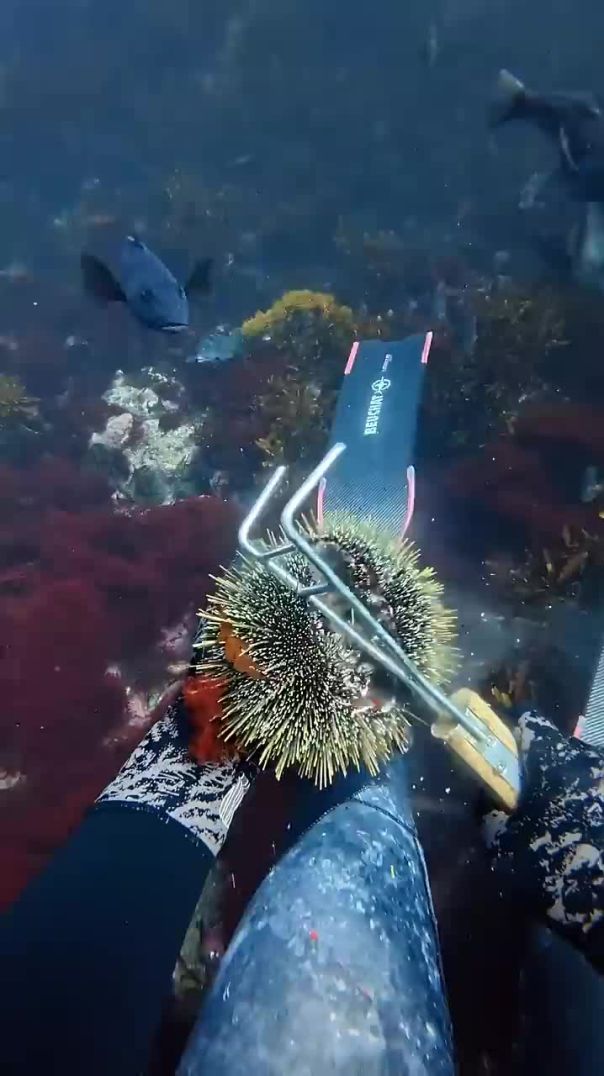




Australia's breathtaking landscapes and unique biodiversity offer a prime setting for eco-tourism, a sector that has seen remarkable growth in recent years. eco-tourism not only fosters sustainable travel but also contributes significantly to local economies and environmental conservation. As global environmental awareness surges, so does the potential for leveraging video marketing to enhance eco-tourism efforts in Australia. This article delves into the historical evolution of eco-tourism, current trends, and how video marketing can propel sustainable travel practices in Australia.
The Historical Context of eco-tourism in Australia
eco-tourism in Australia dates back to the late 20th century when the world began to recognize the importance of sustainable travel. The country, rich in natural wonders like the Great Barrier Reef and Uluru, has always attracted tourists seeking unique wildlife and cultural experiences. The Australian government has played a pivotal role in promoting eco-friendly travel through policies that emphasize conservation and local engagement.
In 2000, the Australian government introduced the National Tourism and Conservation Strategy, a framework designed to balance tourism growth with environmental protection. This strategy laid the foundation for eco-tourism by encouraging sustainable practices and supporting Indigenous communities involved in tourism.
Current Trends in eco-tourism
Today, eco-tourism is one of the fastest-growing sectors in the travel industry. According to the Australian Bureau of Statistics (ABS), the eco-tourism market has grown by 15% annually over the past decade, contributing significantly to the national economy. This growth is driven by a global shift towards sustainable living and increased awareness of environmental issues.
Video marketing has emerged as a powerful tool in this landscape, offering a dynamic way to showcase Australia's natural beauty and promote sustainable travel experiences. Videos can capture the essence of eco-tourism by highlighting conservation efforts, local culture, and the pristine environments that tourists can explore.
The Role of Video Marketing in eco-tourism
Video marketing has transformed how destinations are promoted, allowing for immersive storytelling that engages viewers on an emotional level. For eco-tourism, it's not just about attracting visitors—it's about educating them and fostering a sense of responsibility towards the environment.
- Engagement and Reach: Video content is highly engaging and easily shareable on social media platforms, increasing the reach of eco-tourism campaigns.
- Storytelling: Videos can tell compelling stories about conservation efforts, showcasing the positive impact of eco-tourism on local communities and wildlife.
- Authenticity: High-quality videos provide an authentic glimpse into the experiences awaiting tourists, from guided nature walks to cultural encounters with Indigenous communities.
Case Study: eco-tourism Success in Australia
One standout example of successful eco-tourism video marketing is the Great Ocean Road Eco-Tours. This company utilizes video content to highlight the diverse landscapes and unique wildlife along the iconic coastal route. By focusing on sustainable travel practices and local partnerships, they have attracted environmentally-conscious tourists from around the globe.
Problem: Initially, Great Ocean Road Eco-Tours faced challenges in distinguishing their eco-friendly offerings from conventional tours.
Action: They implemented a video marketing strategy that showcased their commitment to conservation and community engagement. The videos highlighted eco-friendly practices such as using electric vehicles and supporting local conservation projects.
Result: Following the video campaign, the company saw a 35% increase in bookings, with many tourists citing the videos as a key factor in their decision to choose an eco-tour.
Takeaway: This case demonstrates the effectiveness of video marketing in highlighting sustainability efforts and differentiating eco-tourism offerings in a competitive market.
Regulatory Insights and Support
The Australian government continues to support eco-tourism through initiatives such as the Tourism 2025 Strategy, which aims to increase the economic value of tourism while reducing its environmental impact. According to the Australian Competition & Consumer Commission (ACCC), eco-tourism operators must adhere to strict guidelines to ensure environmental sustainability and protect consumer interests.
These regulations provide a framework for businesses to operate sustainably while maintaining transparency and accountability, further enhancing Australia's reputation as a leader in eco-tourism.
Common Myths and Mistakes in eco-tourism Video Marketing
- Myth: "All eco-tourism is expensive." Reality: Sustainable travel can be affordable, with many options available for budget-conscious travelers. Engaging video content can highlight these affordable experiences.
- Myth: "eco-tourism videos need a high budget." Reality: Effective video marketing can be achieved with modest budgets by focusing on authenticity and storytelling rather than high production value.
Future Trends in eco-tourism Video Marketing
Looking ahead, eco-tourism video marketing in Australia is set to evolve with technological advancements and changing consumer preferences. The rise of virtual reality (VR) and augmented reality (AR) offers exciting possibilities for immersive eco-tourism experiences from the comfort of one's home.
According to a report by Deloitte, integrating VR in tourism marketing can increase engagement by 50%, providing potential tourists with a virtual taste of their future adventures. This trend aligns with the increasing demand for personalized and interactive content, which can further drive the growth of eco-tourism in Australia.
Conclusion: Embracing the Future of Sustainable Travel
eco-tourism presents a unique opportunity for Australia to showcase its natural wonders while promoting sustainable travel practices. Video marketing stands out as a powerful tool in this endeavor, offering a platform for storytelling and engagement that can inspire responsible tourism. As the sector continues to grow, embracing innovative marketing strategies will be key to ensuring the long-term success and sustainability of eco-tourism in Australia.
For policy advisors and industry stakeholders, the challenge lies in supporting and regulating these initiatives to balance economic growth with environmental conservation. By fostering collaboration between government, businesses, and local communities, Australia can continue to lead the way in sustainable tourism.
People Also Ask
How does video marketing impact eco-tourism in Australia? Video marketing enhances eco-tourism by increasing engagement and promoting sustainable travel experiences, leading to higher tourist interest and bookings.
What are the key benefits of eco-tourism? eco-tourism supports local economies, promotes environmental conservation, and provides educational experiences for tourists.
Related Search Queries
- eco-tourism trends in Australia
- Sustainable travel practices
- Video marketing strategies for tourism
- Impact of eco-tourism on local communities
- Virtual reality in tourism marketing
For the full context and strategies on Eco-Tourism Video Marketing for Sustainable Aussie Travel, see our main guide: Hotel Accommodation Videos Australia.