




In the serene suburbs of Sydney, Jane and Tom thought they had the perfect smart home. A sophisticated system controlled their lights, thermostat, and security cameras. However, a breach in their security network left them vulnerable, highlighting a critical flaw in their setup. This scenario is becoming increasingly common in Australia, where smart home technology is rapidly expanding. As the Australian government invests in digital infrastructure, understanding smart home security and automation becomes essential for safeguarding our homes and futures.
Understanding Smart Home Security and Automation: A Deep Dive
Smart home technology has transformed how Australians interact with their living spaces, blending convenience with cutting-edge security. The integration of IoT (Internet of Things) devices has made homes smarter and more efficient. But what exactly does this mean for the average Australian homeowner?
The Current State of Smart Homes in Australia
According to a report by the Australian Bureau of Statistics (ABS), smart home device adoption has surged by 23% annually, with over 35% of Australian households integrating at least one smart device by 2023. This growth is fueled by advancements in AI, machine learning, and IoT, which have made these technologies more accessible and affordable.
How Smart Home Security Works
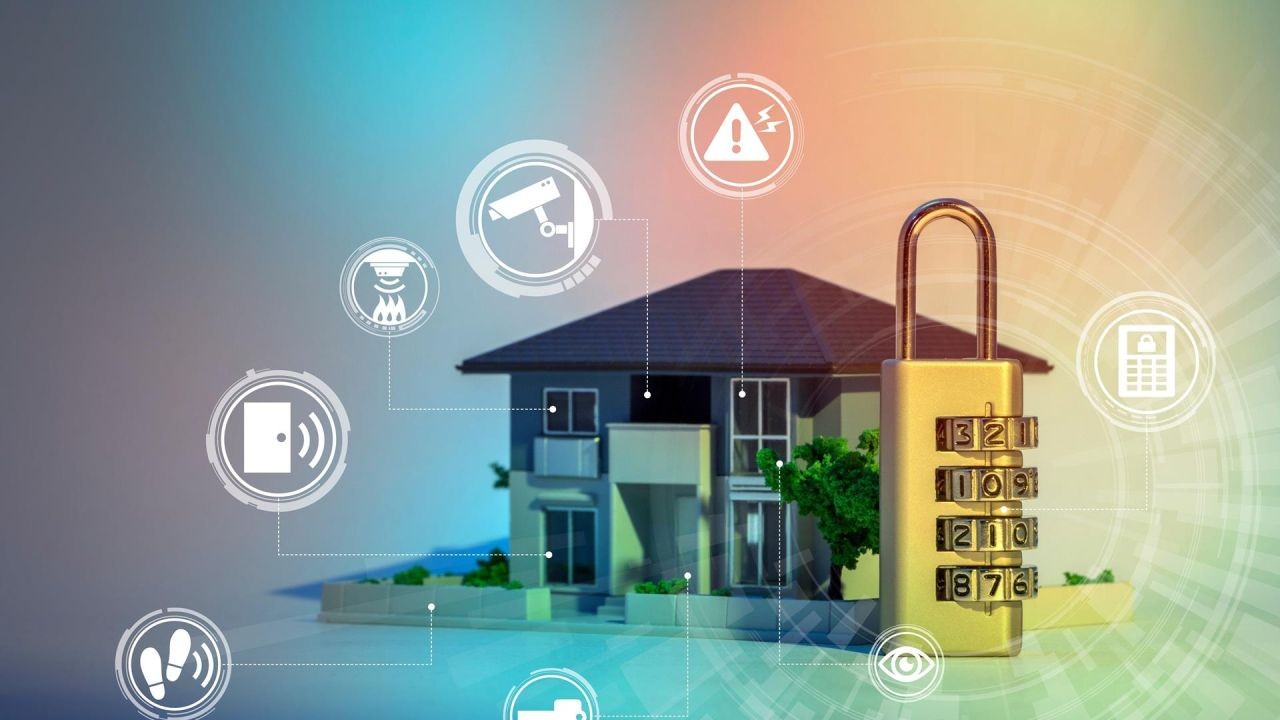
Smart home security systems typically consist of cameras, sensors, alarms, and software applications that work together to monitor and protect a home. These systems can be controlled remotely via smartphones or computers, allowing homeowners to monitor their property from anywhere in the world. Additionally, AI-powered analytics help in identifying unusual activities and alert homeowners in real-time.
Pros and Cons of Smart Home Security
Pros:
- Enhanced Security: Real-time alerts and remote monitoring improve response times to potential threats.
- Convenience: Automation of daily tasks such as lighting and temperature control can lead to energy efficiency and cost savings.
- Integration: Smart systems can integrate with other home devices, creating a seamless user experience.
Cons:
- Privacy Concerns: The potential for data breaches and unauthorized access to personal information.
- Cost: Initial setup and maintenance can be expensive.
- Complexity: Installation and integration can be challenging without professional assistance.
Industry Insights: Australia’s Smart Home Market
The Australian smart home market is projected to reach AUD 5 billion by 2025, according to a report from Deloitte. With the Reserve Bank of Australia's supportive monetary policies, investment in digital infrastructure is expected to rise, further driving the adoption of smart home technologies.
Regulatory Landscape: Ensuring Safety and Compliance
The Australian Competition & Consumer Commission (ACCC) plays a crucial role in regulating smart home devices, ensuring they comply with safety standards and data protection regulations. As the market grows, the ACCC is expected to introduce more stringent guidelines to protect consumers and promote fair competition.
Case Study: A Smart Security Success Story
Case Study: TechHome Solutions – Overcoming Security Challenges
TechHome Solutions, a Melbourne-based startup, faced significant challenges with data breaches. Their initial system lacked robust encryption, leading to vulnerabilities that compromised user data.
Action: TechHome Solutions revamped their security protocols by integrating advanced encryption and biometric authentication. They partnered with cybersecurity firms to ensure their systems met industry standards.
Result: Within six months, customer trust improved, and their user base grew by 40%. The company reported a 60% decrease in security breaches, demonstrating the effectiveness of their new approach.
Takeaway: This case highlights the importance of robust security measures in building consumer trust and ensuring long-term success in the smart home industry.
Common Myths and Misconceptions
Despite the benefits, several myths persist around smart home technology:
- Myth: Smart homes are only for tech-savvy individuals. Reality: Modern interfaces and professional installation services make smart homes accessible to everyone.
- Myth: Smart home devices consume excessive energy. Reality: Smart technology optimizes energy use, often reducing overall consumption.
- Myth: All smart home devices are vulnerable to hacking. Reality: With proper security measures, the risk can be significantly minimized.
The Future of Smart Homes in Australia
The future of smart homes in Australia looks promising, with several trends set to shape the industry:
- Increased AI Integration: AI will play a larger role in automating home systems, improving efficiency and personalization.
- Focus on Sustainability: Smart homes will increasingly incorporate eco-friendly technologies, aligning with Australia’s sustainability goals.
- Advanced Security Solutions: As threats evolve, so will security measures, with more emphasis on biometric and blockchain technologies.
Final Takeaways and Call to Action
As Australia moves towards a more connected future, smart home technology will play a pivotal role in enhancing security and convenience. Homeowners must prioritize robust security measures and stay informed about regulatory changes to protect their investments.
Join the conversation: How have smart home technologies impacted your life? Share your experiences and insights in the comments below!
References
- Australian Bureau of Statistics (ABS)
- Reserve Bank of Australia (RBA)
- Australian Competition & Consumer Commission (ACCC)
- Deloitte Reports
People Also Ask
- How does smart home technology impact the Australian economy? Smart home technology boosts efficiency, driving economic growth through increased consumer spending and tech sector expansion.
- What are the biggest misconceptions about smart home security? A common myth is that smart homes are unsafe. However, robust security measures significantly mitigate risks.
- What are the best strategies for implementing smart home technology? Start with professional installation, integrate with existing devices, and prioritize security features for optimal performance.
Related Search Queries
- smart home technology Australia
- best smart home devices 2023
- smart home security systems
- IoT devices for home use
- smart home automation tips
- energy-efficient smart homes
- future of smart home technology
- smart home privacy concerns
- AI in smart homes
- integrating smart home devices
For the full context and strategies on Smart Home Security and Automation Video Guides in Australia, see our main guide: Home Decor Interior Design Videos Australia.