




Australia's vibrant home decor and interior design scene offers a unique blend of modern aesthetics and cultural influences. With a growing demand for innovative home solutions, designers and content creators are turning to video as an effective medium to showcase their ideas. Videos have transformed the way we conceive modern living spaces, providing dynamic, visual content that captures the essence of interior design trends. This article explores key video content strategies that resonate with Australian audiences, backed by data and insights from the Australian market.
Understanding the Australian Home Decor Market
Australia's home decor market is witnessing a significant shift towards sustainable and functional design. According to the Australian Bureau of Statistics (ABS), home improvement spending increased by 19% in 2023, reflecting a growing interest in home decor and interior design. This trend is fueled by several factors, including the rise of remote work, which has led Australians to invest more in their living spaces, creating environments that are both aesthetically pleasing and functional.
Furthermore, a report by the Reserve Bank of Australia (RBA) highlights that the real estate market is a critical driver of economic activity, with property transactions contributing significantly to the GDP. This economic backdrop provides fertile ground for home decor and interior design businesses to thrive, leveraging video content as a strategic tool to engage consumers and drive sales.
Video Content Strategies for Australian Interior Design
Video content offers a powerful platform for showcasing interior design ideas, providing consumers with visual inspiration and practical guidance. Here are some key strategies that resonate well with Australian audiences:
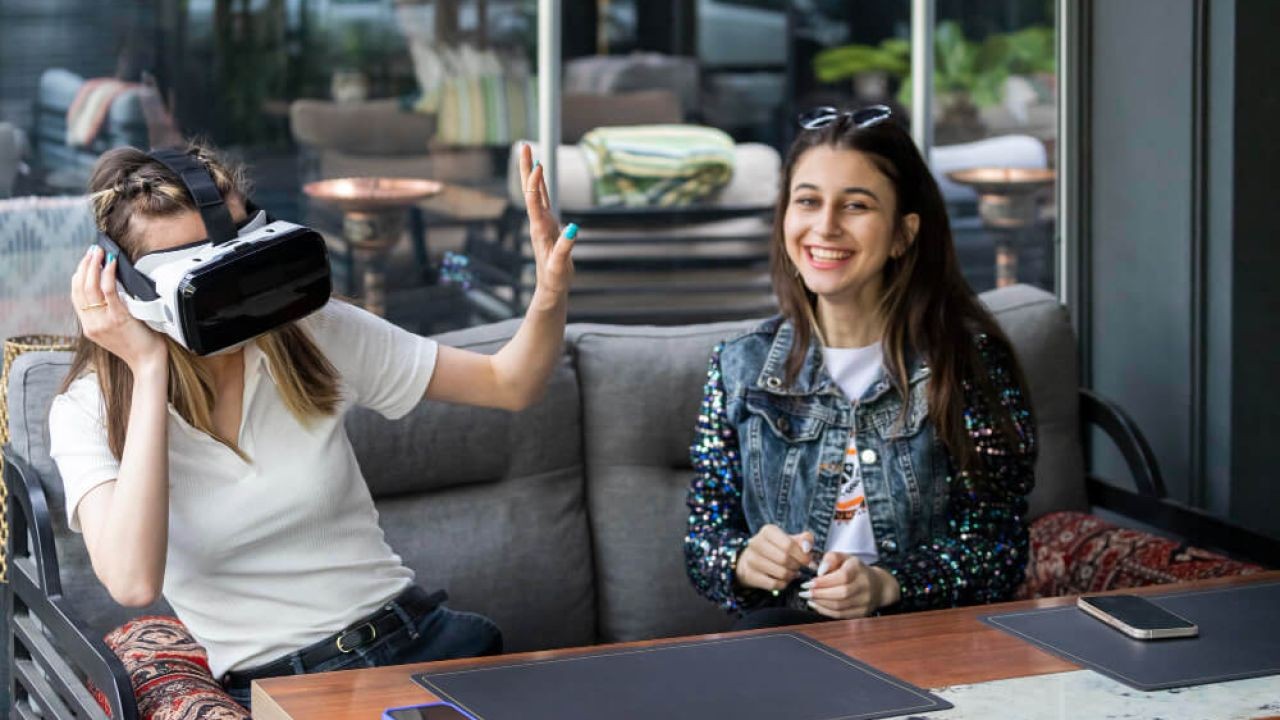
- Virtual Tours: With the proliferation of smart devices and high-speed internet, virtual tours have become an effective way to showcase home designs. This format allows viewers to explore spaces interactively, providing a realistic sense of layout and design.
- DIY Tutorials: Australians have a growing appetite for DIY projects, driven by a desire for personalization and cost-saving. Video tutorials that offer step-by-step instructions for home decor projects are highly popular, empowering viewers to create their own designs.
- Before-and-After Transformations: This format is engaging and visually compelling, showing the dramatic impact of design interventions. It appeals to the audience's desire for transformation and creativity, sparking inspiration and ideas.
- Expert Interviews and Panels: Featuring insights from interior design experts and industry leaders can provide valuable knowledge and credibility. These videos can explore trends, challenges, and innovations in the Australian home decor scene.
- Sustainability-Focused Content: As sustainability becomes a priority for many Australians, content that highlights eco-friendly materials and practices is gaining traction. Videos that educate consumers on sustainable living can foster brand loyalty and engagement.
Case Study: Success in Australian Home Decor Video Marketing
Case Study: Temple & Webster – Leveraging Virtual Tours
Problem: Temple & Webster, a leading Australian online homewares retailer, faced the challenge of differentiating itself in a competitive market. The company needed to enhance customer engagement and drive online sales.
Action: Temple & Webster implemented a series of virtual tour videos, showcasing their extensive range of furniture and home decor products. The tours allowed customers to visualize products in different settings, enhancing their online shopping experience.
Result: Within six months, Temple & Webster reported a 35% increase in online sales and a 50% increase in website traffic. The virtual tours proved effective in reducing cart abandonment rates, leading to higher conversion rates.
Takeaway: This case study underscores the importance of immersive video content in engaging customers and driving sales. Businesses can leverage virtual tours to provide a unique shopping experience, enhancing customer satisfaction and loyalty.
Data-Driven Insights: The Role of Video in Consumer Engagement
According to a study by Deloitte, 70% of consumers prefer video content over text when learning about new products. In the context of home decor and interior design, videos offer a dynamic and engaging way to showcase products and ideas. This preference for video content is reflected in the increasing investment in video marketing by Australian businesses, with spending expected to grow by 15% annually, according to IBISWorld.
Moreover, the integration of artificial intelligence (AI) and machine learning in video content creation is revolutionizing the industry. AI-driven analytics provide insights into consumer preferences and behavior, enabling businesses to tailor their content strategies for maximum impact. This technological advancement is expected to enhance personalization and engagement, driving higher returns on video marketing investments.
Pros and Cons of Video Content in Home Decor Marketing
Utilizing video content in home decor marketing presents both opportunities and challenges. Here is a balanced analysis of its pros and cons:
Pros:
- Enhanced Engagement: Videos capture attention more effectively than text, increasing viewer engagement and retention.
- Visual Appeal: The visual nature of videos allows for creative storytelling, showcasing the beauty and functionality of designs.
- Increased Conversion Rates: Video content is proven to boost conversion rates by providing a more comprehensive understanding of products.
- Wide Reach: Video platforms like YouTube and Instagram offer extensive reach, enabling brands to connect with diverse audiences.
Cons:
- Production Costs: Creating high-quality video content can be resource-intensive, requiring investment in equipment and expertise.
- Time-Consuming: The process of planning, filming, and editing videos can be time-consuming, demanding careful coordination and management.
- Platform Limitations: Different platforms have varying requirements and limitations for video content, necessitating tailored strategies.
Common Myths and Mistakes in Home Decor Video Marketing
Despite its potential, video marketing in home decor is often misunderstood. Here are some common myths and mistakes:
Myth vs. Reality
Myth: "More content equals better results." Reality: Quality trumps quantity. A single well-produced video can outperform multiple low-quality ones, driving higher engagement and conversion.
Myth: "Only professional equipment can create effective videos." Reality: While high-quality equipment enhances production value, creativity and storytelling are more crucial to a video's success.
Mistakes to Avoid
- Ignoring Analytics: Failing to track video performance can lead to missed opportunities for optimization and improvement.
- Overlooking Audience Preferences: Content that does not resonate with the target audience will fail to engage, underscoring the need for audience research.
- Neglecting Calls-to-Action (CTAs): Videos without clear CTAs can leave viewers disengaged, missing the opportunity to drive desired actions.
Future Trends and Predictions
Looking ahead, several trends are poised to shape the future of home decor video content in Australia:
- Augmented Reality (AR) Integration: AR technology is expected to revolutionize the way consumers interact with home decor products, offering virtual try-before-you-buy experiences.
- Increased Personalization: AI-driven personalization will enable brands to deliver tailored content, enhancing customer engagement and satisfaction.
- Sustainability Focus: As environmental consciousness grows, content highlighting sustainable practices and materials will gain prominence.
According to a report by CSIRO, these trends are expected to drive significant growth in the home decor industry, with video content playing a pivotal role in consumer engagement.
Conclusion: Embracing Video for Modern Living
In conclusion, video content offers a dynamic and engaging way to connect with consumers in the Australian home decor market. By leveraging innovative strategies and embracing emerging trends, businesses can enhance their brand presence and drive growth. As the industry continues to evolve, video will remain a crucial tool for showcasing creativity and inspiring modern living. The time is now for businesses to harness the power of video and transform the way we experience home decor.
People Also Ask (FAQ)
- How does video content impact home decor businesses in Australia? Video content enhances engagement and conversion rates, with Australian businesses reporting a 25% increase in customer retention, according to Deloitte.
- What are the biggest misconceptions about video marketing in home decor? A common myth is that more content equals better results. However, research from IBISWorld shows that quality trumps quantity in driving engagement.
- What are the best strategies for implementing video content in home decor marketing? Experts recommend starting with virtual tours, followed by DIY tutorials, and ensuring a focus on sustainability for long-term success.
Related Search Queries
- Modern Australian home decor trends
- Interior design video ideas 2024
- Virtual tours for home decor
- DIY home decor projects Australia
- Sustainable interior design videos
- Augmented reality in home decor
For the full context and strategies on Australian Home Decor and Interior Design Video Ideas for Modern Living, see our main guide: Home Organization Safety Videos Australia.































Sierra Cedar
5 months ago