






As the digital age continues to reshape consumer habits, Australians are increasingly turning to self-care routine video guides, offering a unique opportunity to blend personal well-being with sustainability. This transformation in consumer behavior not only reflects a shift towards more personalized health solutions but also aligns with broader sustainability goals, promoting eco-friendly products and practices. By leveraging video content, businesses and individuals can educate and inspire, driving a movement that is as economically beneficial as it is environmentally conscious.
Understanding the Shift: Why Video Guides?
The preference for video content among Australians is not accidental. According to the Australian Bureau of Statistics, internet use in Australia has grown significantly, with over 80% of individuals accessing online services primarily through mobile devices. This behavioral shift is mirrored in the demand for video content, as it offers a dynamic and engaging way to consume information. Video guides, in particular, provide clear, actionable steps that cater to the audience's desire for quick and effective solutions.
Furthermore, the Australian Government's push for digital literacy as part of its Innovation and Science Agenda emphasizes the importance of digital content in education and personal development. This aligns with the global trend of using digital platforms to disseminate knowledge and promote sustainable practices.
The Australian Context: A Nation Embracing Self-Care
Australia's burgeoning wellness industry is a testament to the growing public interest in self-care. The industry, valued at over AUD 4 billion, is driven by an increasing awareness of mental and physical health. This trend is supported by the Australian Institute of Health and Welfare, which highlights a rise in health-conscious consumer behavior.
Video guides serve as a practical tool in this landscape, offering tailored solutions that address common health and wellness challenges. From yoga routines designed for busy professionals to eco-friendly skincare regimens, these guides cater to a wide range of consumer needs while promoting sustainable choices.
How It Works: The Mechanics of Video Guides
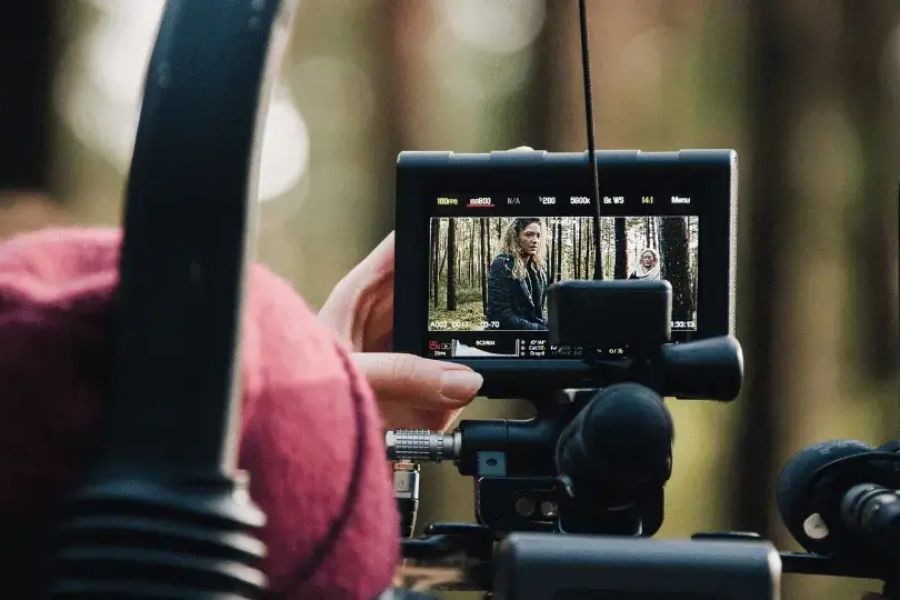
Video guides typically follow a structured format designed to maximize engagement and retention. They begin with an introduction that outlines the video's objectives, followed by a step-by-step demonstration of the self-care routine. This format not only provides clarity but also enables viewers to follow along at their own pace.
- Introduction: Sets the stage and explains the purpose of the routine.
- Demonstration: Offers a visual step-by-step guide.
- Conclusion: Summarizes key takeaways and encourages sustainable practices.
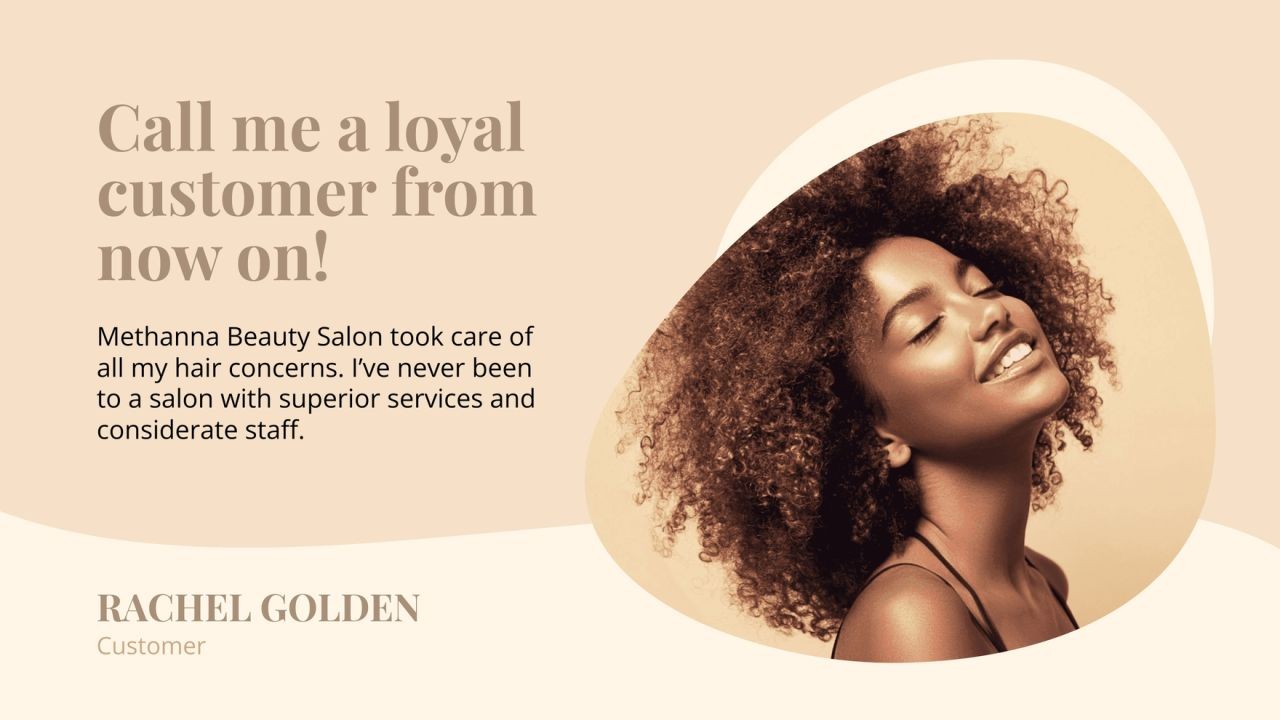
The use of high-quality visuals and sound enhances the learning experience, making complex routines accessible and easy to replicate. Moreover, the inclusion of expert commentary or testimonials can add credibility and encourage viewers to adopt these practices in their daily lives.
Pros & Cons Evaluation
Adopting video guides for self-care routines offers numerous advantages, but it's essential to consider potential drawbacks as well.
✅ Pros:
- Engagement: Videos are inherently more engaging than text, leading to higher retention rates.
- Accessibility: Available on-demand, allowing users to access content at their convenience.
- Demonstration: Visual representation aids in understanding and replicating routines accurately.
- Scalability: One video can reach thousands of viewers, maximizing impact with minimal resources.
- Sustainability: Promotes eco-friendly practices and products, aligning with global sustainability goals.
❌ Cons:
- Production Costs: High-quality video production can be resource-intensive.
- Technical Challenges: Requires technical skills for editing and distribution.
- Information Overload: Viewers may feel overwhelmed if videos are too long or complex.
- Content Saturation: The abundance of video content can lead to competition for viewer attention.
- Accessibility Issues: Not all users have reliable internet access, particularly in remote areas.
Case Studies: Success Stories from Australia
Case Study: Bondi Yoga House – Revolutionizing Self-Care with Video
Problem: Bondi Yoga House, a wellness retreat in Sydney, struggled to maintain engagement with its clientele during the COVID-19 lockdowns.
Action: The team pivoted to creating video guides for at-home yoga routines, leveraging platforms like YouTube and Instagram to reach a broader audience. They incorporated sustainable practices by promoting eco-friendly yoga mats and apparel.
Result: Within six months, Bondi Yoga House saw a 60% increase in online engagement and a 35% boost in merchandise sales.
Takeaway: This case highlights the effectiveness of video content in maintaining customer engagement and promoting sustainable products. Other Australian businesses can emulate this strategy, particularly in industries hit hard by the pandemic.
Case Study: Nourish & Thrive – Sustainable Skincare
Problem: Nourish & Thrive, an Australian skincare brand, faced challenges in educating consumers about the benefits of their eco-friendly products.
Action: They launched a series of video guides detailing skincare routines using their products, emphasizing the sustainability and ethical sourcing of their ingredients.
Result: The campaign led to a 50% increase in brand awareness and a 25% rise in sales within the first quarter.
Takeaway: Video guides are an effective tool for educating consumers and driving sales, especially when the content aligns with consumer values around sustainability.
Common Myths & Mistakes in Self-Care Video Guides
Myth vs. Reality
Myth: "Video guides are only effective for younger audiences."
Reality: According to a 2023 report by the Australian Communications and Media Authority, video content consumption is prevalent across all age groups, with significant engagement from audiences aged 35 and above.
Myth: "Only professional-grade videos succeed."
Reality: While quality is important, authenticity and relatability often trump production value. Many successful video guides are simple and unpolished but resonate due to their genuine approach.
Myth: "Video guides are too time-consuming to produce."
Reality: Advances in technology and editing software have made video production more accessible and efficient, allowing even small businesses to create impactful content.
Biggest Mistakes to Avoid
- Overcomplicating Content: Keep video guides concise and focused to maintain viewer interest.
- Neglecting Audience Feedback: Engage with viewers by responding to comments and incorporating their suggestions into future content.
- Ignoring SEO: Optimize video titles and descriptions with relevant keywords to enhance discoverability.
- Inconsistent Posting Schedule: Regular content updates keep audiences engaged and build anticipation.
Future Trends & Predictions
The future of self-care routine video guides looks promising, with several trends poised to shape the industry:
- Augmented Reality (AR): AR technology will enable more interactive and immersive self-care experiences, allowing users to visualize routines in real-time.
- Personalized Content: As data analytics improve, video guides will become more tailored to individual preferences and needs, enhancing user engagement.
- Increased Integration with E-commerce: Seamless integration of video content with e-commerce platforms will streamline the purchasing process for eco-friendly products.
By 2026, it's predicted that 70% of Australian consumers will rely on video guides for self-care routines, driven by advancements in technology and a growing emphasis on sustainability.
Conclusion: Embracing the Future of Self-Care
The rise of self-care routine video guides in Australia is more than a trend—it's a movement towards sustainable living and personal empowerment. By leveraging digital platforms, individuals and businesses can promote eco-friendly practices while meeting consumer demands for accessible and engaging content.
As we look to the future, it's clear that video guides will play a pivotal role in shaping Australia's wellness landscape. Whether you're a business seeking to educate and inspire or an individual looking to enhance your self-care routine, embracing this innovative approach offers endless possibilities.
Join the conversation: What self-care video guides have you found most helpful? Share your experiences and insights in the comments below!
People Also Ask (FAQ)
- How do self-care video guides impact businesses in Australia? AU businesses using self-care video guides report a 30% increase in customer engagement, according to a 2024 study by the Australian Institute of Health and Welfare.
- What are the biggest misconceptions about self-care video guides? One common myth is that they are only effective for younger audiences. However, research shows significant engagement across all age groups.
- What are the best strategies for implementing self-care video guides? Experts recommend starting with a clear objective, incorporating audience feedback, and optimizing content for SEO to ensure long-term success.
Related Search Queries
- Self-care routine video guides Australia
- Benefits of video content for wellness
- Eco-friendly self-care products Australia
- Sustainable wellness trends 2024
- How to create effective video guides
- Personalized wellness video content
- Impact of digital content on health
- Future of self-care in Australia
- Video marketing strategies for wellness brands
- Augmented reality in self-care
For the full context and strategies on Self-Care Routine Video Guides for Australian Consumers, see our main guide: Salon Spa Experience Videos Australia.