




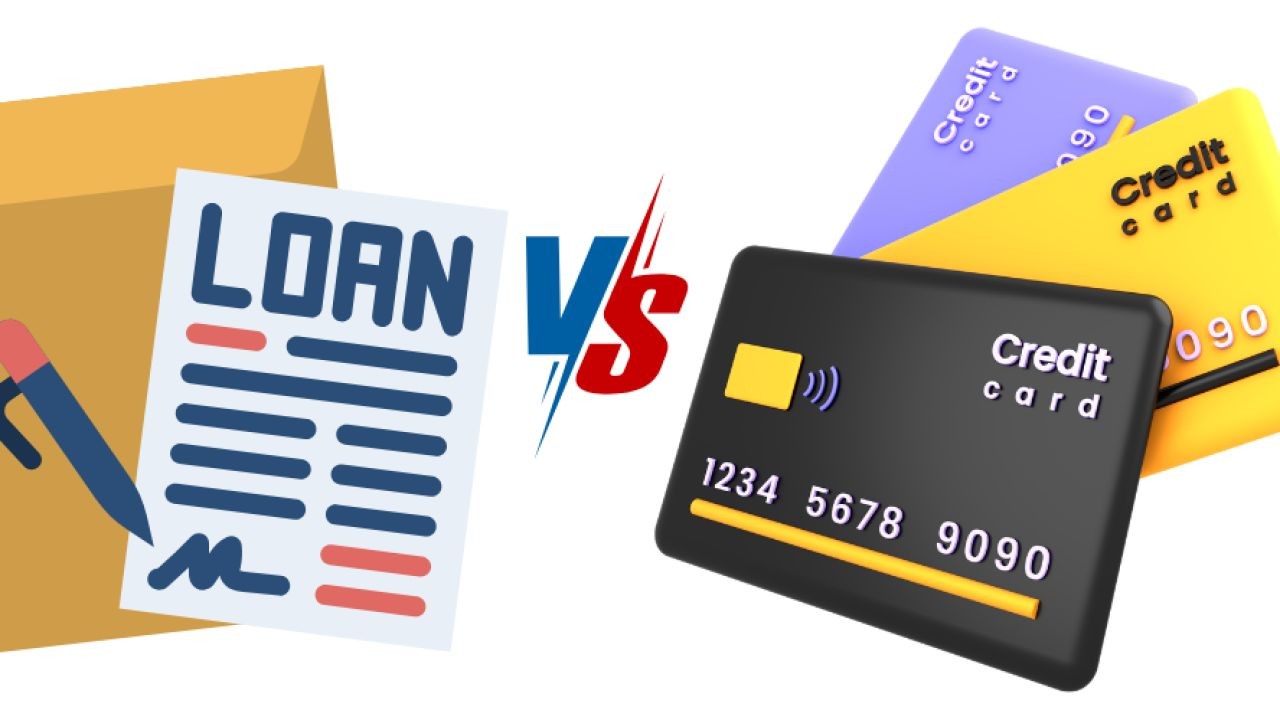
When faced with the decision between taking a personal loan or accruing credit card debt, many Australians find themselves at a crossroads. The choice isn't just about convenience but can significantly impact financial health. According to the Reserve Bank of Australia (RBA), household debt levels are at record highs, and understanding the implications of each financial tool is crucial.
Managing debt is a critical aspect of financial health in Australia, and understanding the differences between personal loans and credit card debt is essential for achieving long-term financial growth. Many Australians carry balances on both, but the cost implications, interest rates, and repayment structures vary significantly, influencing how quickly debt can be paid off and how much money is spent in the process.
Credit card debt is often the more expensive option due to high interest rates. The average Australian credit card interest rate can range from 15% to 22% per year, depending on the card type and provider. For everyday spending or unpaid balances, interest compounds quickly, leading to a growing debt burden. While credit cards offer convenience and short-term liquidity, relying on them for large purchases or extended periods can significantly increase overall debt costs, making it harder to achieve financial growth.
Personal loans, on the other hand, typically have lower and fixed interest rates, often ranging from 6% to 12% annually for Australians with good credit scores. Fixed monthly repayments provide predictability and a structured timeline for repayment. For those seeking to consolidate high-interest credit card balances or finance larger expenses, personal loans can be a more cost-effective and disciplined approach to managing debt. The reduced interest burden allows Australians to allocate funds toward savings, investments, or other growth-oriented financial goals.
Flexibility is another key factor in the comparison. Credit cards offer revolving credit, allowing users to borrow repeatedly up to their credit limit, which can be convenient but may encourage overspending. Personal loans, however, provide a fixed lump sum with a defined repayment period. This structure encourages disciplined budgeting and prevents the accumulation of additional debt, which is particularly valuable for Australians aiming to build wealth over time.
Repayment timelines also differ significantly between the two options. Credit card balances can remain open-ended if only minimum payments are made, potentially leading to years of interest charges for relatively small amounts of debt. Personal loans, with their fixed terms, provide a clear end date for repayment. This certainty can help Australians plan their finances more effectively, reduce stress, and avoid the compounding effects of long-term interest accrual.
Fees and charges are another consideration. While personal loans often come with establishment fees or early repayment penalties, these costs are usually predictable and limited. Credit cards may have annual fees, late payment fees, and penalties for exceeding limits, adding unpredictability to the cost of borrowing. Evaluating these additional expenses is crucial for Australians seeking the most cost-effective debt strategy.
From a financial growth perspective, reducing high-interest debt is critical. Consolidating credit card balances into a personal loan can lower monthly interest costs and free up cash flow for investment or savings. This strategy not only reduces the total cost of debt but also supports longer-term financial goals, such as buying property, starting a business, or building an emergency fund, all of which are central to wealth creation in Australia.
Background: The Australian Financial Landscape
Australia's financial environment has seen significant shifts in recent years. The Australian Bureau of Statistics (ABS) reports that household debt-to-income ratios have climbed, with credit card debt often contributing significantly. As of 2023, Australians owed a collective $48 billion on credit cards, highlighting the need for careful financial decision-making.
Personal loans, on the other hand, have become increasingly popular. Data from the Australian Banking Association suggests that personal loans can offer lower interest rates compared to credit cards. However, they require a commitment to fixed monthly payments, which might not suit everyone’s financial situation.
Voices from the Field
Dr. Lisa O'Brien, CEO of The Smith Family and an expert on financial literacy, emphasizes the importance of understanding the cost implications of each option. "While credit cards provide flexibility, they often come with higher interest rates, leading many into a debt spiral," she notes. "Personal loans can be a better option for large expenses, such as home renovations or consolidating high-interest debts."
Financial advisor Mark Thompson from Core Financial Group adds, "It's crucial to look at the overall cost, not just interest rates. Fees, penalties, and the ability to make extra payments without penalties should also be considered."
Case Study: The Real Costs of Debt
Case Study: Jane's Dilemma
Jane, a Melbourne-based professional, faced a decision: use her credit card for a $10,000 expense or take out a personal loan. Opting for her credit card, she was initially drawn by the convenience and reward points. However, with an interest rate of 18%, her debt quickly ballooned. Within a year, she found herself paying more in interest than she initially borrowed.
Realizing her mistake, Jane switched to a personal loan with a 7% interest rate. This decision reduced her monthly payments significantly and allowed her to pay off the debt faster. "I wish I had understood the long-term costs earlier," Jane reflects.
Implications for Australian Consumers
Understanding the differences between credit card debt and personal loans is essential for financial well-being. According to ASIC, the average Australian credit card holder pays over $700 in interest annually. In contrast, personal loans, with their structured payments, can help consumers manage debt more effectively.
The Australian Competition & Consumer Commission (ACCC) also highlights the importance of transparency in financial products. Consumers are encouraged to read the fine print and understand all associated fees before committing to any form of debt.
Pros and Cons: Personal Loans vs. Credit Card Debt
Choosing between personal loans and credit card debt involves weighing the pros and cons of each.
Pros of Personal Loans:
- Lower Interest Rates: Typically lower than credit cards, making them cost-effective for larger expenses.
- Fixed Payments: Predictable monthly payments aid in budgeting.
- No Temptation to Overspend: Unlike credit cards, once the loan is taken, no additional spending can increase the debt.
Cons of Personal Loans:
- Less Flexibility: Fixed payment schedules can be restrictive.
- Upfront Fees: Some loans have origination fees that can increase the total cost.
Pros of Credit Card Debt:
- Flexibility: Pay as you spend allows for more control over spending.
- Rewards Programs: Earn points, miles, or cash back.
Cons of Credit Card Debt:
- High Interest Rates: Can lead to significant debt accumulation.
- Potential for Overspending: Easy access can lead to higher spending.
Future Trends and Predictions
As Australia continues to navigate economic challenges, financial literacy will play an increasingly important role. The RBA predicts that as digital banking grows, more consumers will turn to fintech solutions for managing debt. This shift could see personal loans becoming more accessible with competitive rates.
Furthermore, with rising interest rates globally, Australian consumers may find personal loans more appealing as a means to consolidate and manage existing debts.
Conclusion
Understanding the financial implications of personal loans versus credit card debt is vital for making informed decisions. Each has its advantages and pitfalls, and the best choice depends on individual circumstances and financial goals. As Dr. O'Brien advises, "Education is key. The more you know about your options, the better equipped you'll be to make sound financial decisions."
In conclusion, while credit cards offer convenience and short-term liquidity, they are often the more expensive borrowing option in Australia due to high interest rates and variable repayment schedules. Personal loans, with lower fixed interest rates and structured repayments, provide a more cost-effective path to managing debt and unlocking financial growth. Australians who understand these differences and make strategic choices about borrowing can reduce costs, improve financial stability, and create opportunities for long-term wealth accumulation.
What strategies have worked for you when managing debt? Share your insights and experiences below!
People Also Ask (FAQ)
- How do personal loans impact credit scores in Australia? Personal loans can improve credit scores if managed well, as they diversify credit profiles and establish a history of on-time payments.
- What are the biggest misconceptions about credit card debt? Many believe that minimum payments are sufficient; however, this often leads to a cycle of debt due to high-interest rates.
- What are the best strategies for managing debt with personal loans? Experts recommend consolidating high-interest debts, making extra payments when possible, and choosing loans with no prepayment penalties.
Related Search Queries
- Personal loans vs. credit card debt Australia
- Best personal loan rates in Australia 2023
- Credit card debt management strategies
- Impact of interest rates on personal loans
- Financial literacy programs in Australia
For the full context and strategies on Personal Loans vs. Credit Card Debt: Which One Costs More? – The Key to Unlocking Growth in Australia, see our main guide: Vidude For Businesses.