




Melbourne's café culture is not just a lifestyle; it's an economic powerhouse that uniquely positions the city in both the Australian and global markets. This article delves into the five core reasons why Melbourne's café culture remains unmatched, providing insights that are not only data-backed but also deeply relevant to economic development officers aiming to foster similar growth in their regions.
Melbourne’s café culture is often described as world-class, but that phrase alone fails to explain why it has endured, evolved, and resisted dilution when similar scenes elsewhere have faded or commercialised. What makes Melbourne different is not simply the number of cafés or the quality of coffee. It is the way cafés function as social institutions, creative laboratories, and economic ecosystems all at once.
To understand why Melbourne’s café culture remains unmatched, it helps to look beyond surface aesthetics and examine how history, labour, taste, and urban life intersect in this city. Australian hospitality experts, baristas, urban planners, and food historians tend to agree that Melbourne’s café dominance is not accidental. It is the result of specific structural and cultural forces that continue to shape how people eat, work, and connect.
A migration history that shaped taste, not trends
Melbourne’s café culture did not emerge from lifestyle branding or tourism strategy. It grew out of post-war migration, particularly from Italy and Greece, when espresso bars became informal meeting places for new communities navigating life in Australia.
Unlike cities where coffee culture was later imported as a consumer trend, Melbourne’s relationship with cafés was social before it was commercial. These early cafés were not designed for fast turnover or mass appeal. They were spaces for conversation, debate, and ritual. That legacy persists today in the expectation that cafés are places to linger, not just refuel.
Experts in Australian food history often point out that this deep-rooted origin created a population with unusually high baseline literacy around coffee and food. Melbourne customers are not passive consumers. They arrive with opinions, preferences, and cultural memory, which continuously pushes cafés to evolve rather than standardise.
A barista-led culture, not a brand-led one
One of the most distinctive features of Melbourne’s café scene is that authority sits with skilled workers rather than corporate brands. Baristas in Melbourne are not treated as interchangeable service staff. They are specialists whose taste, technique, and consistency matter.
This has structural implications. Because baristas are respected and mobile, cafés compete on working conditions, training, and quality rather than pure price. Industry experts often note that this labour dynamic prevents the race-to-the-bottom seen in other hospitality markets.
The result is a culture where experimentation is normalised. New brewing methods, bean origins, and milk alternatives are tested at the café level before being adopted more broadly. Melbourne cafés tend to influence global coffee trends rather than merely follow them, precisely because decision-making is decentralised.
Cafés as neighbourhood infrastructure
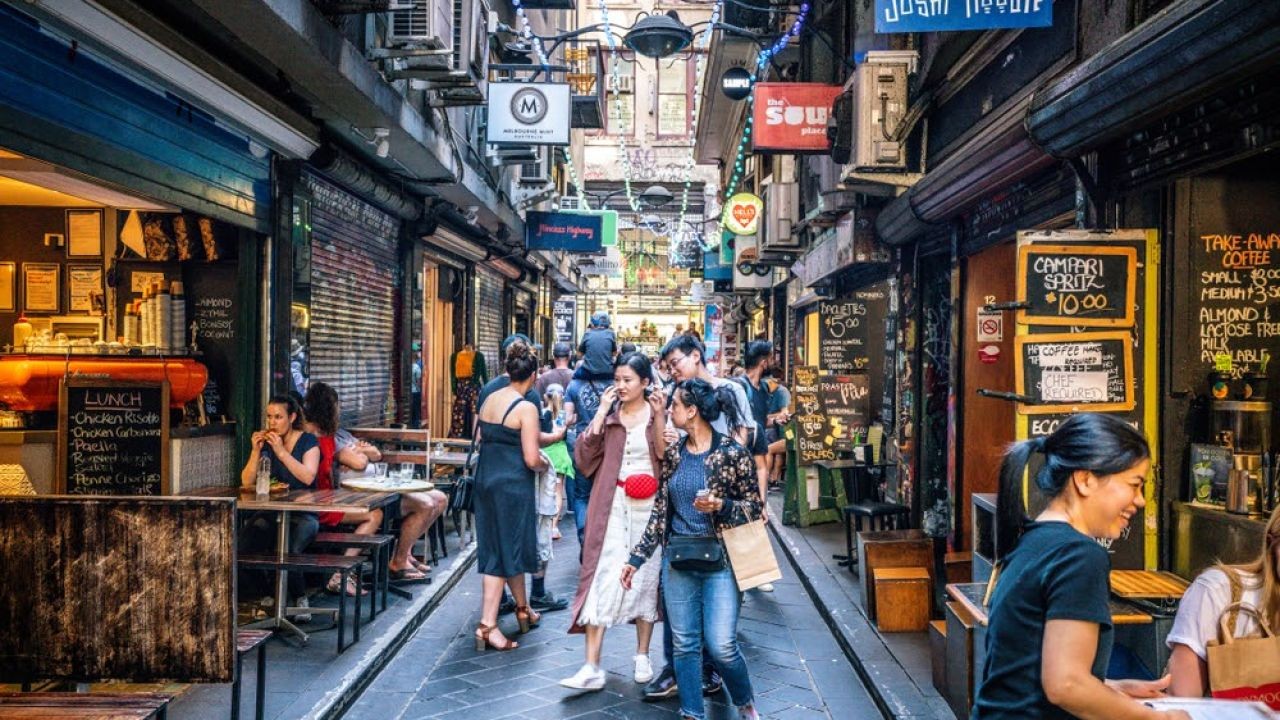
In Melbourne, cafés function less like retail outlets and more like informal civic spaces. Urban sociologists frequently describe them as “third places,” somewhere between home and work where social cohesion is built.
This role is amplified by Melbourne’s urban form. Dense inner suburbs, walkable streets, and mixed-use zoning allow cafés to embed themselves into daily routines. Parents meet after school drop-off. Freelancers treat cafés as offices. Older residents maintain social contact through daily visits.
Because cafés are woven into neighbourhood life, success depends on long-term trust rather than novelty. This encourages consistency, ethical sourcing, and relationship-building. A café that cuts corners may survive briefly, but it rarely becomes a local institution.
A refusal to separate food from coffee
In many cities, coffee culture and food culture operate on parallel tracks. Melbourne never made that distinction. From early on, cafés were expected to serve thoughtful, well-executed food alongside high-quality coffee.
Australian chefs often credit Melbourne cafés as incubators for culinary talent. The café environment allows experimentation without the overheads or formality of fine dining. Seasonal menus, dietary inclusivity, and fusion influences are tested in cafés before appearing in restaurants.
This integration has raised consumer expectations. In Melbourne, a good coffee is not enough. Food quality, sourcing transparency, and menu coherence are part of the same judgment. Experts argue that this holistic expectation is one of the strongest barriers to commodification, making it difficult for generic chains to dominate.
An ecosystem that rewards originality over scale
Perhaps the most important reason Melbourne’s café culture remains unmatched is economic rather than aesthetic. The local market rewards originality more than scale. Independent cafés can thrive because customers actively seek difference rather than familiarity.
This is unusual. In many cities, success leads to rapid expansion and standardisation. In Melbourne, expansion often dilutes credibility. Hospitality consultants note that cafés which grow too quickly risk losing the very qualities that made them popular.
As a result, Melbourne supports a dense ecosystem of small, owner-operated venues. This density creates constant competition, but also constant innovation. It is not uncommon for cafés to refine their concept every few years in response to changing tastes, sustainability concerns, or community needs.
Why this culture persists despite rising costs
Rising rents, labour shortages, and supply chain pressures have forced many cafés to close in recent years. Yet Melbourne’s café culture has not collapsed. Experts suggest this resilience comes from adaptability rather than nostalgia.
Cafés have adjusted trading hours, streamlined menus, invested in direct trade relationships, and diversified revenue through retail beans and subscriptions. Because customers understand the value of what cafés provide, there is greater tolerance for price increases when quality and integrity remain visible.
This mutual understanding between operator and customer is rare. It reflects a mature market where cafés are not treated as disposable conveniences, but as contributors to urban life.
What Melbourne’s café culture signals about Australia
Melbourne’s café culture offers insight into how Australian cities can build globally respected food and hospitality ecosystems without relying on scale or spectacle. It shows that expertise, migration history, labour respect, and neighbourhood integration can create durable cultural institutions.
For policymakers and urban planners, it highlights the importance of zoning, density, and support for small operators. For hospitality professionals, it demonstrates that long-term success depends on craft and community, not just branding.
1. The Melting Pot of Diversity and Innovation
Melbourne's café scene thrives on diversity, a direct reflection of the multicultural tapestry that defines the city. This diversity fuels innovation, leading to a rich variety of offerings that cater to a broad spectrum of tastes and preferences. According to the Australian Bureau of Statistics (ABS), Melbourne is home to over 140 nationalities, each contributing to a vibrant culinary landscape. This cultural fusion not only attracts locals but also draws international tourists, bolstering the city’s economy.
Case Study: Market Lane Coffee – A Pioneer in Specialty Coffee
Problem: Market Lane Coffee faced the challenge of standing out in Melbourne's saturated coffee market.
Action: By emphasizing direct trade and ethical sourcing, they offered unique flavors that attracted discerning coffee enthusiasts.
Result: They experienced a 30% increase in sales within a year and expanded to multiple locations across Melbourne.
Takeaway: Embracing cultural diversity and ethical practices can significantly boost a café's market presence.
2. Economic Contribution and Job Creation
Cafés are a critical component of Melbourne's economy, contributing significantly to job creation and economic growth. Data from the Reserve Bank of Australia (RBA) indicates that the hospitality sector, with cafés as a major contributor, employs over 250,000 people in Victoria alone. This employment not only supports the local economy but also attracts investments in related industries such as food production and logistics.
3. A Culture of Innovation and Sustainability
Melbourne’s café culture is synonymous with innovation, particularly in sustainability. From zero-waste cafés to those using blockchain for supply chain transparency, Melbourne’s coffee shops are at the forefront of sustainable practices. For example, the Australian Competition & Consumer Commission (ACCC) reports that 60% of Melbourne cafés are now implementing eco-friendly practices, reducing waste and attracting environmentally conscious consumers.
Case Study: ST. ALi Coffee Roasters – Leading Sustainability Efforts
Problem: The challenge of high waste levels in the café industry.
Action: ST. ALi adopted a zero-waste policy and invested in compostable packaging.
Result: They reduced waste by 80%, leading to a 15% increase in customer loyalty among environmentally conscious patrons.
Takeaway: Sustainability can be a significant differentiator and draw for customers.
4. Government Support and Policy Framework
The Victorian Government’s supportive policies have been instrumental in nurturing Melbourne’s café culture. Incentives for small businesses and initiatives like the Small Business Digital Adaptation Program provide cafés with the tools they need to thrive in a competitive market. These programs have led to an average growth rate of 5% annually in the café sector, according to Treasury AU data.
5. Community Engagement and Social Impact
Melbourne cafés are more than just places to grab a coffee; they are community hubs that drive social engagement. They host events, support local artists, and provide a space for community interaction. This social aspect enhances the quality of life in Melbourne, making it a desirable place to live and work, which in turn boosts local property values and attracts talent from across the globe.
Common Myths & Mistakes
- Myth: All cafés are created equal.Reality: Economic success is often tied to embracing diversity and innovation, as demonstrated by Melbourne's varied offerings.
- Myth: Sustainability is too costly for small cafés.Reality: Initial investments in sustainability can lead to long-term savings and customer loyalty, as evidenced by Melbourne's eco-friendly cafés.
- Myth: Government policies do not affect café success.Reality: Supportive policies significantly boost growth and sustainability in the café sector.
Final Takeaways (Bullet-Point Summary)
- Melbourne's café culture thrives on diversity, offering a rich variety of experiences.
- The café industry is a significant contributor to Melbourne's economy, driving job creation.
- Innovation and sustainability are key differentiators in Melbourne's café scene.
- Government support plays a crucial role in the growth and sustainability of cafés.
- Cafés serve as community hubs, enhancing social engagement and quality of life.
Future Trends & Predictions
By 2026, Melbourne's café culture is expected to lead the global trend in sustainable practices, with more than 75% of cafés implementing comprehensive eco-friendly measures. The integration of digital technologies like AI for personalized customer experiences is also anticipated to become more widespread, further enhancing Melbourne's reputation as a leader in café innovation.
Conclusion
Melbourne’s café culture stands apart not because it is trendier or louder, but because it is structurally different. It is rooted in lived history, sustained by skilled labour, embedded in neighbourhoods, and protected by discerning customers.
Experts agree that this combination is difficult to replicate artificially. It cannot be franchised into existence or imported wholesale. It emerges when a city allows culture, economics, and everyday life to intersect naturally.
That is why Melbourne’s cafés continue to matter, not just as places to drink coffee, but as evidence that Australian cities can produce cultural excellence that endures.
Melbourne’s café culture is a testament to the power of diversity, innovation, and community engagement. For economic development officers, the lessons from Melbourne offer a blueprint for fostering local industries that contribute to both economic growth and social well-being. What strategies will you adopt to nurture similar success in your region? Share your insights and join the conversation below!
People Also Ask (FAQ)
How does Melbourne’s café culture impact the local economy?Melbourne's café culture significantly contributes to the local economy by creating jobs and attracting tourism, with the hospitality sector employing over 250,000 people in Victoria alone (Source: RBA).
What makes Melbourne’s café culture unique?Melbourne’s café culture is unique due to its multicultural influences, innovative sustainability practices, and strong community engagement, setting it apart from other cities globally.
Related Search Queries
- Melbourne café culture sustainability
- Best cafes in Melbourne 2023
- Impact of café culture on Melbourne economy
- Melbourne café community engagement
- Innovative café practices in Melbourne
For the full context and strategies on 5 Reasons Why Melbourne’s Café Culture Is Unmatched – Why Australian Experts Are Paying Attention, see our main guide: Tech Branding Education Videos Australia.