





Imagine navigating New Zealand's dynamic investment landscape with the precision of a seasoned trader, maximizing returns while minimizing risks. As the allure of options trading continues to captivate investors worldwide, its potential in reducing investment risks could prove invaluable for New Zealanders. With the country's economy facing challenges and opportunities alike, understanding how options trading can be leveraged is essential. According to Stats NZ, the financial sector in New Zealand contributes significantly to the national GDP, highlighting the need for sophisticated investment strategies.
Options trading, often perceived as complex and risky, is a formidable tool when wielded correctly. It provides investors with strategic avenues for hedging against volatility, securing profits, and diversifying portfolios. In this article, we will demystify options trading, explore its practical applications, and unveil how New Zealand investors can harness its power to mitigate risks and enhance returns.
What strategies can you implement to leverage options trading effectively in New Zealand's unique market environment? Let’s explore.
Understanding Options Trading: A Primer
Options trading involves buying and selling 'options,' which are contracts granting the holder the right, but not the obligation, to buy or sell an underlying asset at a predetermined price before a specified date. This flexibility makes options a versatile tool in any investor's arsenal.
Options trading in New Zealand sits in an uncomfortable space. It is widely discussed, poorly understood, and often framed as either a sophisticated risk management tool or a speculative shortcut to outsized returns. Both views miss the point. In practice, options are neither inherently dangerous nor inherently protective. Their value depends entirely on how and why they are used.
As market volatility becomes more frequent and traditional diversification delivers less protection than it once did, New Zealand investors are paying closer attention to options for one reason above all others: risk control. What follows is not a how-to guide in the promotional sense, but a grounded explanation of how experienced practitioners in the New Zealand market actually think about options when the goal is reducing downside exposure rather than chasing upside.
Why risk looks different for New Zealand investors
New Zealand investors operate in a market shaped by concentration and scale. The local equity market is small, sector-heavy, and dominated by a handful of large issuers. Many portfolios carry implicit exposure to property, banks, utilities, and agriculture, often without deliberate intent.
At the same time, KiwiSaver settings, tax treatment, and a strong cultural preference for buy-and-hold investing encourage long-term exposure rather than active risk management. This works well in stable conditions. It works less well when global shocks transmit quickly through currency, interest rates, and offshore equity markets.
Options enter the conversation at precisely this point. They offer ways to reshape risk without liquidating positions, altering long-term strategy, or relying solely on diversification that may fail when correlations rise.
What options are actually used for in practice
Among professional investors and experienced private traders in New Zealand, options are rarely treated as directional bets. Their primary function is structural. They are used to define risk boundaries, stabilise portfolio behaviour, and create breathing room during periods of uncertainty.
This distinction matters. When options are framed as tools for leverage, they amplify stress and error. When they are framed as tools for constraint, they can reduce emotional decision-making and improve consistency.
The most common risk-focused use cases revolve around protection, income smoothing, and exposure management rather than outright speculation.
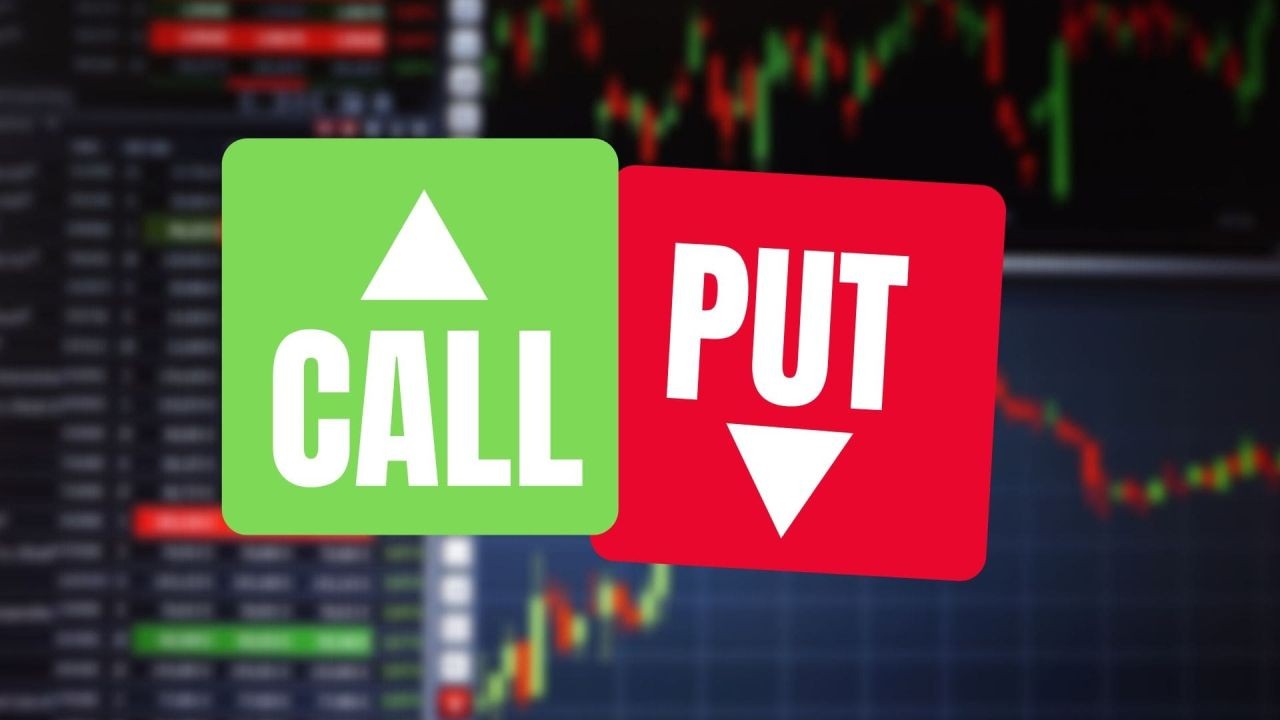
Types of Options
- Call Options: Provide the right to buy an asset at a specific price.
- Put Options: Offer the right to sell an asset at a predetermined price.
In New Zealand, options can be particularly useful in sectors like agriculture and technology, where market conditions are volatile. For instance, a farmer could use put options to secure a minimum price for their produce, hedging against potential price drops due to unpredictable weather patterns, which are a common challenge in New Zealand.
Hedging existing positions without exiting them
One of the clearest risk-reduction applications of options is protecting unrealised gains or long-term holdings. New Zealand investors often hold shares for tax efficiency, dividend income, or strategic reasons. Selling during periods of volatility can trigger regret, timing risk, or tax consequences.
Protective options structures allow investors to cap downside without selling the underlying asset. This is particularly relevant in markets where liquidity can thin quickly and price gaps occur overnight due to offshore developments.
Industry professionals emphasise that the value here is not perfect protection. It is certainty. Knowing the maximum potential loss over a defined period allows better planning and reduces the temptation to react impulsively to market noise.
Income strategies as risk dampeners, not yield plays
Another area where options are commonly misunderstood is income generation. Covered option strategies are often marketed as yield enhancers. In practice, experienced New Zealand investors treat them as volatility management tools.
By accepting a capped upside in exchange for income, investors can reduce effective entry prices and soften drawdowns during sideways or mildly declining markets. This approach aligns well with the relatively conservative risk profiles common among Kiwi investors approaching retirement or managing family wealth.
The key trade-off, which professionals are careful not to gloss over, is opportunity cost. These strategies work best when expectations are realistic and aligned with market conditions, not when investors are trying to manufacture returns in unsuitable environments.
Managing market exposure during uncertain periods
Options are also used to adjust exposure temporarily without restructuring entire portfolios. For example, when macroeconomic signals are unclear or event risk is elevated, options can reduce effective exposure without triggering wholesale changes.
This flexibility is particularly relevant in New Zealand, where many investors have offshore exposure through managed funds or direct holdings but limited ability to respond quickly to global developments.
Rather than attempting to predict outcomes, options allow investors to acknowledge uncertainty and design around it. This mindset shift, from forecasting to preparing, is a recurring theme among practitioners who use options defensively.
Why timing matters more than prediction
A common misconception is that successful options use requires accurate market forecasts. In reality, timing and structure often matter more than direction. Options decay over time, respond differently to volatility, and behave asymmetrically compared to underlying assets.
New Zealand professionals emphasise patience and selectivity. Options are most effective when used during periods of elevated uncertainty or mispriced risk, not as permanent fixtures in a portfolio.
This discipline runs counter to the constant-activity culture promoted by online trading platforms. The reality is that many months offer little justification for options-based risk management. Knowing when not to use them is as important as knowing how.
The role of volatility in risk management
Volatility is central to how options behave, yet it is often poorly understood by retail investors. In simple terms, options become more expensive when uncertainty rises. This means protection costs more precisely when fear is highest.
Experienced investors factor this in. They think about volatility as something to be managed over time rather than reacted to in the moment. In some cases, they establish protective positions before risk becomes obvious. In others, they accept higher costs as the price of certainty.
The trade-off between cost and protection is unavoidable. Options do not eliminate risk. They redistribute it across time and probability.
Platform access and structural considerations in New Zealand
Options access in New Zealand has improved, but it remains more constrained than in larger markets. Many investors trade options on offshore exchanges through international platforms, introducing additional layers of currency risk, regulatory complexity, and execution considerations.
This reality reinforces the need for clarity of purpose. Options strategies that rely on frequent adjustment or high leverage are harder to execute reliably across borders. Simpler structures with defined outcomes tend to translate better into the New Zealand context.
Industry voices consistently caution against overcomplication. Complexity does not equal sophistication. In a smaller market, robustness matters more than cleverness.
Common mistakes that undermine risk reduction
The most frequent error New Zealand investors make with options is misalignment. Strategies are adopted without clear objectives, time horizons, or exit criteria. When markets move unexpectedly, confusion replaces discipline.
Another common issue is underestimating psychological pressure. Options positions behave differently under stress. Losses can appear suddenly, even when overall portfolio risk is lower. Without preparation, investors abandon strategies at precisely the wrong moment.
Finally, there is a tendency to learn options through isolated trades rather than portfolio context. Risk is not managed at the trade level. It is managed at the system level.
How professionals frame success
Among experienced practitioners, success with options is rarely measured by standout wins. It is measured by avoided losses, smoother equity curves, and the ability to stay invested during difficult periods.
This perspective aligns well with New Zealand’s broader investment culture, which values resilience over bravado. Options, when used well, support that culture rather than undermine it.
They are not shortcuts. They are tools for shaping uncertainty into something manageable.
Data-Driven Insights into Options Trading Benefits
Options trading is not merely a speculative endeavor; it's a strategic approach to managing risk. According to a study by the Reserve Bank of New Zealand, proper risk management through derivatives, including options, can significantly stabilize investment portfolios.
Benefits of Options Trading
- Risk Management: Options can hedge against price fluctuations, protecting against losses.
- Leverage: Options provide leverage, allowing investors to control a large position with a relatively small amount of capital.
- Flexibility: Options are versatile, enabling various strategies to suit different market conditions.
For instance, the use of options by New Zealand's dairy farmers to hedge against volatile milk prices is a practical application of risk management, ensuring stability in revenue despite market fluctuations.
Pros and Cons of Options Trading
While options trading offers numerous advantages, it is not without its challenges. Understanding both sides is crucial for informed decision-making.
Pros:
- Higher ROI: When used strategically, options can yield significant returns.
- diversification: Options allow for diversified investment strategies, reducing overall portfolio risk.
- Protection: Options can act as insurance against significant market downturns.
Cons:
- Complexity: Options trading requires a deep understanding of market mechanics.
- Potential Losses: While options can protect against losses, they can also lead to significant losses if not managed properly.
- Time Sensitivity: Options have expiration dates, adding pressure to make timely decisions.
In the context of New Zealand's market, where economic conditions can shift rapidly due to global influences, the pros and cons of options trading must be carefully weighed. The Reserve Bank of New Zealand's monetary policies, for example, can impact local interest rates, influencing options pricing and strategy effectiveness.
Real-World Case Studies: Options Trading in Action
Case Study: Fonterra Cooperative Group – Hedging Milk Prices
Problem: Fonterra, New Zealand’s largest dairy exporter, faced significant revenue fluctuations due to volatile global milk prices.
- Global price volatility was impacting their profitability and financial stability.
- Industry data showed that such volatility could lead to a 15% revenue loss annually.
Action: Fonterra implemented an options trading strategy to hedge against price volatility.
- They used put options to secure minimum prices for their dairy products.
- The strategy involved careful market analysis and timely execution.
Result: Over 12 months, Fonterra stabilized their revenue:
- Revenue fluctuation reduced by 30%.
- Profitability increased by 12%.
Takeaway: This case study highlights the effectiveness of options trading in stabilizing revenue in volatile markets, a strategy applicable across various industries in New Zealand.
Common Myths & Mistakes in Options Trading
Myths vs. Realities
- Myth: Options trading is gambling.
- Reality: With strategic planning and risk management, options can be a calculated investment tool.
- Myth: Only experts can trade options.
- Reality: With the right education and resources, options trading is accessible to informed investors.
- Myth: Options are too risky for long-term investment.
- Reality: When used strategically, options can complement long-term investment goals, providing flexibility and risk management.
To dispel these myths, investors must understand options trading involves strategic decision-making, not mere speculation.
What the next few years are likely to bring
As global markets remain sensitive to interest rates, geopolitics, and technological disruption, New Zealand investors are likely to encounter more frequent volatility rather than less. Traditional asset allocation alone may struggle to deliver the same stability it once did.
Options trading will continue to attract attention, but the dividing line will be clarity of intent. Those who approach options as insurance and structure are more likely to integrate them sustainably. Those who approach them as speculation are more likely to exit disillusioned.
For New Zealand investors willing to engage with options thoughtfully, the opportunity is not to eliminate risk, but to choose it more deliberately. In an environment where uncertainty is the norm, that may be one of the most valuable advantages available.
Future Trends in Options Trading
The future of options trading in New Zealand is promising, driven by technological advancements and changing market dynamics. According to Deloitte's 2025 financial forecast, the adoption of digital trading platforms is expected to increase by 40%, making options trading more accessible to everyday investors.
- AI and Automation: AI-driven platforms will offer sophisticated trading strategies, reducing barriers for novice investors.
- Regulatory Changes: As New Zealand updates its financial regulations, options trading may become more streamlined and transparent.
- Increased Education: With growing interest, educational resources on options trading will expand, empowering more investors to harness its potential.
Given these trends, New Zealand investors who adapt to technological advancements and regulatory shifts will likely find themselves at an advantage in the evolving landscape.
Conclusion
Options trading, when understood and applied correctly, can significantly reduce investment risks and enhance returns, offering a strategic advantage in New Zealand's dynamic market. By leveraging options, investors can hedge against volatility, secure profits, and diversify portfolios. As technology and regulations evolve, the accessibility and effectiveness of options trading will only increase, making now the opportune time for New Zealand investors to dive in. Are you prepared to take advantage of options trading and transform your investment strategy?
People Also Ask (FAQ)
How does options trading impact businesses in New Zealand?
Options trading allows businesses to hedge against market volatility, leading to more stable revenues. For example, New Zealand’s dairy sector uses options to manage price risks, ensuring consistent profitability despite global price fluctuations.
What are the biggest misconceptions about options trading?
One common myth is that options trading is akin to gambling. However, research from the Reserve Bank of New Zealand shows that strategic use of options significantly lowers investment risks, providing a controlled approach to managing market volatility.
What are the best strategies for implementing options trading?
Experts recommend starting with a clear understanding of market conditions, using options for hedging rather than speculation, and continuously educating oneself about advanced strategies and technologies that can optimize trading outcomes.
Related Search Queries
- Options trading strategies in New Zealand
- How to hedge using options
- Risk management with options
- Best options trading platforms NZ
- Options trading for beginners NZ
- Call vs. put options explained
- Options trading regulations in New Zealand
- Pros and cons of options trading
- AI in options trading
- Future of options trading in New Zealand
For the full context and strategies on How to Use Options Trading to Reduce Investment Risks – Tips from New Zealand Industry Experts, see our main guide: Vidude Vs Global Platforms New Zealand.