





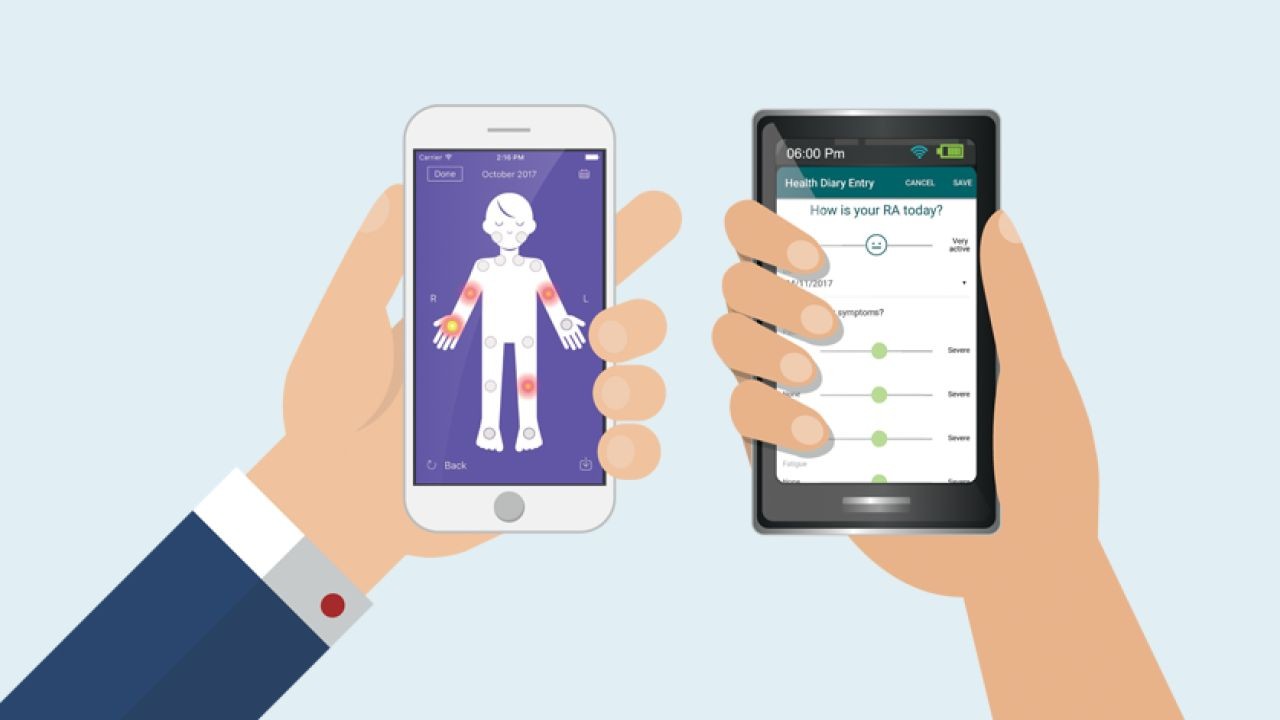
In a nation where the tyranny of distance has long defined healthcare access, a quiet digital revolution is unfolding. Australians are increasingly turning to their smartphones not just for social connection, but for medical answers. The proliferation of self-diagnosing applications—powered by artificial intelligence, symptom checkers, and vast medical databases—is shifting the first point of contact for health concerns from the GP's office to the palm of the hand. This trend, accelerated by the post-pandemic normalisation of telehealth, presents a complex data set of potential efficiencies, systemic risks, and profound economic implications. For an industry accounting for over 10% of Australia's GDP, the integration of these tools is less a question of 'if' and more a critical analysis of 'how' and 'at what cost'.
The Current Landscape: Data on Digital Health Adoption in Australia
The foundation of this shift is a rapidly digitising population. According to the Australian Bureau of Statistics (ABS), in 2022-23, over 80% of Australians aged 15 and over used the internet for personal health matters, a figure that has seen consistent year-on-year growth. This digital comfort zone creates fertile ground for symptom-checker apps. A 2023 study published in the Australian Journal of General Practice found that nearly 40% of patients had used a symptom checker before a GP consultation, with younger demographics leading the adoption curve. This behavioural shift is not occurring in a vacuum; it is supported by government policy. The Australian Digital Health Agency's "My Health Record" system, despite its controversies, has laid foundational infrastructure for personal health data aggregation, which third-party apps could potentially leverage with user consent.
Case Study: Healthdirect Australia – Government-Backed Triage
Problem: The national health helpline and website, Healthdirect Australia, faced constant pressure on its phone-based services, particularly for non-emergency advice. Long wait times and the challenge of managing high call volumes, especially during flu season or COVID-19 waves, strained resources and impacted user satisfaction.
Action: Healthdirect implemented and heavily promoted its online Symptom Checker, developed in partnership with clinical experts. This AI-driven tool asks users a series of structured questions about their symptoms, demographics, and medical history. It then provides a risk assessment, recommended next steps (e.g., "seek urgent care," "see a GP within 24 hours," or "self-care"), and links to relevant, trusted health information.
Result: The digital tool has become a critical component of Australia's public health infrastructure.
- It handles over 2 million symptom assessments annually, effectively triaging a significant portion of inquiries away from overloaded phone lines.
- Internal data indicates that for low-acuity conditions, the tool successfully directs users to appropriate self-care information, reducing unnecessary GP visits.
- It serves as a 24/7 public health resource, aligning with the National Digital Health Strategy's goal of providing more health services outside traditional settings.
Takeaway: This case demonstrates the government's role in legitimising and scaling self-diagnosis tools. The success hinges on clinical governance, integration with the broader health system (including clear pathways to care), and public trust in a government-branded service. For private app developers, the lesson is that accuracy, transparency, and clear disclaimers are non-negotiable for sustainable adoption.
The Economic Calculus: Efficiency Gains vs. Systemic Costs
From a data analyst's perspective, the potential financial impact of self-diagnosing apps is a double-edged sword, requiring careful modelling of direct savings against indirect risks.
The Efficiency Hypothesis (Potential Gains)
Proponents argue these apps can streamline the healthcare system, a compelling argument for Treasury officials and private health insurers. The logic follows a clear funnel:
- Improved Triage: Accurate apps can reduce unnecessary presentations to emergency departments and GP clinics for minor ailments. The Australian Institute of Health and Welfare (AIHW) reports that in 2022-23, over 40% of ED presentations were classified as semi-urgent or non-urgent. Even a marginal reduction here could free up substantial resources.
- Enhanced Patient Preparedness: Users arriving at a consultation with a structured symptom history from an app could make consultations more efficient. This has the potential to increase the effective capacity of the GP workforce.
- Preventive Focus: Apps that integrate with wearables and promote early symptom checking could facilitate earlier intervention for chronic conditions, potentially reducing long-term treatment costs.
The Risk of Induced Demand and Misdiagnosis (Potential Costs)
The counter-hypothesis, supported by several international studies, suggests these tools may paradoxically increase healthcare utilisation through a phenomenon of "cyberchondria."
- Anxiety-Driven Visits: An app's suggestion of a serious, albeit low-probability, condition can provoke anxiety, leading to a GP visit the user otherwise would not have sought. This represents a new form of induced demand.
- Misdiagnosis Liability: The financial and human cost of a missed or delayed diagnosis due to app inaccuracy is immense. While apps disclaim being a replacement for professional care, user behaviour does not always align with this warning. The resulting malpractice landscape and who bears liability—the developer, the algorithm trainer, or the user—remains a legal grey area that could see intervention from the Australian Competition & Consumer Commission (ACCC) regarding misleading claims.
- Data Security Costs: The aggregation of sensitive health data creates a high-value target for cyber-attacks. A significant breach could erode public trust entirely. The Office of the Australian Information Commissioner (OAIC) would play a key role in enforcing privacy laws, and the costs of compliance and potential penalties must be factored into any economic model.
The Regulatory Tightrope: ACCC, TGA, and the Challenge of "Software as a Medical Device"
Australia's regulatory framework is scrambling to keep pace. The Therapeutic Goods Administration (TGA) regulates software as a medical device (SaMD), but its classification depends on the app's claimed purpose. A general wellness app falls outside its remit, while an app claiming to diagnose or treat a specific condition faces stringent Class II or III medical device requirements. This creates a market where many symptom checkers operate in a regulatory hinterland, providing diagnostic-like information while avoiding formal TGA classification by using careful disclaimers.
The ACCC's role is pivotal in monitoring for false, misleading, or unconscionable claims by app developers. Its 2023 Digital Platform Services Inquiry highlights concerns about consumer protection in opaque digital markets. For self-diagnosis apps, the ACCC could mandate clearer standards on:
- Disclosing the clinical evidence base (or lack thereof) for the algorithm.
- Articulating the limitations of the tool in plain language.
- Ensuring advertising does not overstate capabilities.
The lack of a unified, proactive regulatory stance currently represents a significant systemic risk.
Pros vs. Cons: A Structured Analysis
✅ Potential Advantages:
- Improved Healthcare Access: Provides 24/7 triage and information for rural, remote, or time-poor Australians, potentially reducing inequities.
- System Efficiency: Can divert minor ailments from costly clinical settings and empower patients in self-managing simple conditions.
- Data for Public Health: Anonymised, aggregated symptom search data could serve as an early-warning system for disease outbreaks (e.g., flu, COVID-19 variants).
- Patient Empowerment: Encourages individuals to engage more proactively with their health, leading to better-informed consultations.
❌ Key Risks and Limitations:
- Diagnostic Inaccuracy: Algorithms lack clinical intuition and the ability to perform physical examinations, leading to false reassurance or unnecessary alarm.
- Erosion of the Patient-Doctor Relationship: May undermine trust in medical professionals and fragment care, with patients arriving convinced of a specific (and potentially incorrect) diagnosis.
- Privacy and Security Threats: Centralises highly sensitive personal health data, creating attractive targets for cybercriminals and raising ethical questions about commercial use.
- Digital Divide: Risks exacerbating health inequalities, as adoption is lower among older, less digitally literate, or socio-economically disadvantaged groups.
- Algorithmic Bias: If training data is not representative of Australia's diverse population, diagnostic accuracy will be lower for minority groups.
Controversial Take: The Primary Beneficiary May Not Be Your Health, But Your Private Health Insurer
A stark, data-driven perspective often overlooked is that the most immediate and quantifiable financial benefits of widespread self-diagnosis app adoption may accrue not to consumers or the public system, but to private health insurers. Here’s the logic: These apps generate vast amounts of behavioural and symptom data. With user consent (buried in lengthy terms and conditions), this data could be packaged and sold to insurers or used directly by vertically integrated health companies.
Insurers could use this data to:
- Refine Risk Models: More granular data on health-seeking behaviour and symptom patterns allows for more precise risk profiling, potentially leading to more personalised (and possibly more expensive) premiums.
- Drive "Preferred Provider" Networks: Insurers could partner with or promote apps that steer users towards in-network GPs, specialists, and pathology services, consolidating market power.
- Implement "Nudging" for Cost Control: Apps could be designed to consistently nudge users towards lower-cost care options (e.g., pharmacy consultations over GP visits), directly reducing insurer payouts.
This creates a scenario where the tool marketed for patient empowerment becomes a powerful instrument for corporate risk management and cost containment. The Australian Prudential Regulation Authority (APRA), as the regulator of private health insurers, would need to closely monitor such developments for impacts on consumer fairness and market competition.
Common Myths and Mistakes in Evaluating Self-Diagnosis Apps
Myth 1: "These apps use the same knowledge as a doctor." Reality: While they may access medical databases, they lack clinical reasoning, the ability to interpret non-verbal cues, and the experience to weigh probabilities in context. A study in the BMJ found that even leading symptom checkers provided the correct diagnosis first only about 34% of the time in test scenarios.
Myth 2: "They will drastically reduce the burden on GPs and hospitals." Reality: This is an unproven economic assumption. As discussed, they may simply shift the type of presentation (from undifferentiated symptoms to patient-arrived "diagnosis") or increase low-value visits due to anxiety. The net effect on system-wide utilisation and cost is uncertain and likely variable.
Myth 3: "All health data in apps is protected by strong privacy laws." Reality: Australia's Privacy Act applies, but enforcement is complex. Many apps are developed offshore, and their data handling practices can be opaque. The 2022 ACCC report on digital platforms found significant consumer confusion and a lack of transparency about how personal data is collected and used.
Biggest Mistake to Avoid: Treating App Output as a Definitive Diagnosis. The most dangerous user error is bypassing professional care based on app reassurance. A 2021 analysis by the University of Sydney highlighted cases where apps failed to flag serious conditions like sepsis or deep vein thrombosis. Solution: Use apps strictly as a triage and information-gathering tool. The output should be the starting point for a conversation with a qualified professional, not the end of the diagnostic journey.
Future Trends & Predictions: The Integrated Health Ecosystem
By 2030, the standalone symptom checker will likely be obsolete. The future lies in integrated health ecosystems. We can expect:
- Prescription by Algorithm (with Oversight): Apps that are TGA-approved as Class IIb/III medical devices, integrated with a user's electronic health record and GP, may begin to suggest or even initiate prescriptions for routine conditions (e.g., urinary tract infections, contraception repeats), subject to final clinician approval.
- AI-Powered Chronic Disease Management: For conditions like diabetes or hypertension, apps will continuously analyse data from wearables, patient-reported symptoms, and home-testing kits, providing real-time adjustments to management plans and alerting clinicians only when human intervention is necessary.
- Regulatory Harmonisation: Pressure will mount for the TGA and ACCC to create a co-regulatory framework specifically for AI-driven health advice tools, mandating ongoing clinical validation audits, transparency of algorithms, and standardised risk disclosures.
- Corporate Consolidation: Major players (e.g., health insurers, pharmacy chains, hospital groups) will acquire or deeply partner with leading app developers to create closed-loop systems, controlling the patient journey from first symptom to treatment.
Final Takeaways & Call to Action
- Fact: Self-diagnosing apps are not a passing fad but a structural shift in healthcare engagement, with over 40% of Australians already using them prior to consultations.
- Economic Reality: The net financial impact on Australia's healthcare system is ambiguous, with potential efficiency gains counterbalanced by risks of induced demand, misdiagnosis liability, and significant data security costs.
- Regulatory Gap: A proactive, co-ordinated regulatory stance from the TGA and ACCC is urgently required to safeguard consumers and ensure market fairness as these tools evolve.
- Strategic Imperative: For healthcare providers and insurers, ignoring this trend is not an option. The strategic focus must be on integration—finding ways to incorporate validated digital tools into clinical workflows to enhance, not replace, professional care.
The reshaping of Australian healthcare by self-diagnosing apps is a live experiment in balancing technological promise with clinical prudence. The outcome will depend on the quality of our data, the robustness of our regulations, and the wisdom of our choices. For decision-makers, the task is to move beyond hype and fear, and instead model the scenarios, mitigate the risks, and harness the potential for genuine, equitable benefit.
What’s Next? Audit the digital health tools your organisation relies on or promotes. What is their clinical evidence base? How do they handle data? How are they integrated with human oversight? The time for passive observation is over; active, informed stewardship is required.
People Also Ask (PAA)
Are self-diagnosis apps accurate in Australia? Accuracy varies widely. Government-backed tools like Healthdirect's Symptom Checker undergo clinical review, but many consumer apps do not. International studies suggest leading tools list the correct diagnosis in the top three possibilities about 50-60% of the time, but they are not a replacement for a professional assessment.
What are the legal risks of using a symptom checker app? The primary legal risk for users is a delayed diagnosis due to app inaccuracy. For developers, risks include liability for negligence, action by the ACCC for misleading conduct, and penalties from the OAIC for privacy breaches. Australian case law in this area is still developing.
How could self-diagnosis apps impact private health insurance premiums in Australia? If apps successfully reduce low-acuity claims by promoting self-care, they could help moderate premium growth. Conversely, if they increase anxiety-driven claims or create data used for risk-based pricing, they could contribute to premium complexity and potential increases for higher-risk profiles.
Related Search Queries
- TGA regulation software as a medical device Australia
- Healthdirect Symptom Checker accuracy review
- Privacy risks health apps Australia
- telehealth vs self-diagnosis apps Australia
- Cost-benefit analysis AI healthcare Australia
- ACCC digital health platforms inquiry
- Best symptom checker app Australia 2024
- Impact of digital health on Medicare spending
- My Health Record and third-party app access
- Cyber security standards for Australian health apps
For the full context and strategies on How Self-Diagnosing Apps Could Reshape Australia’s Healthcare Industry – The Most Overlooked Shift in Australia Today, see our main guide: Australian Tech Startups.