





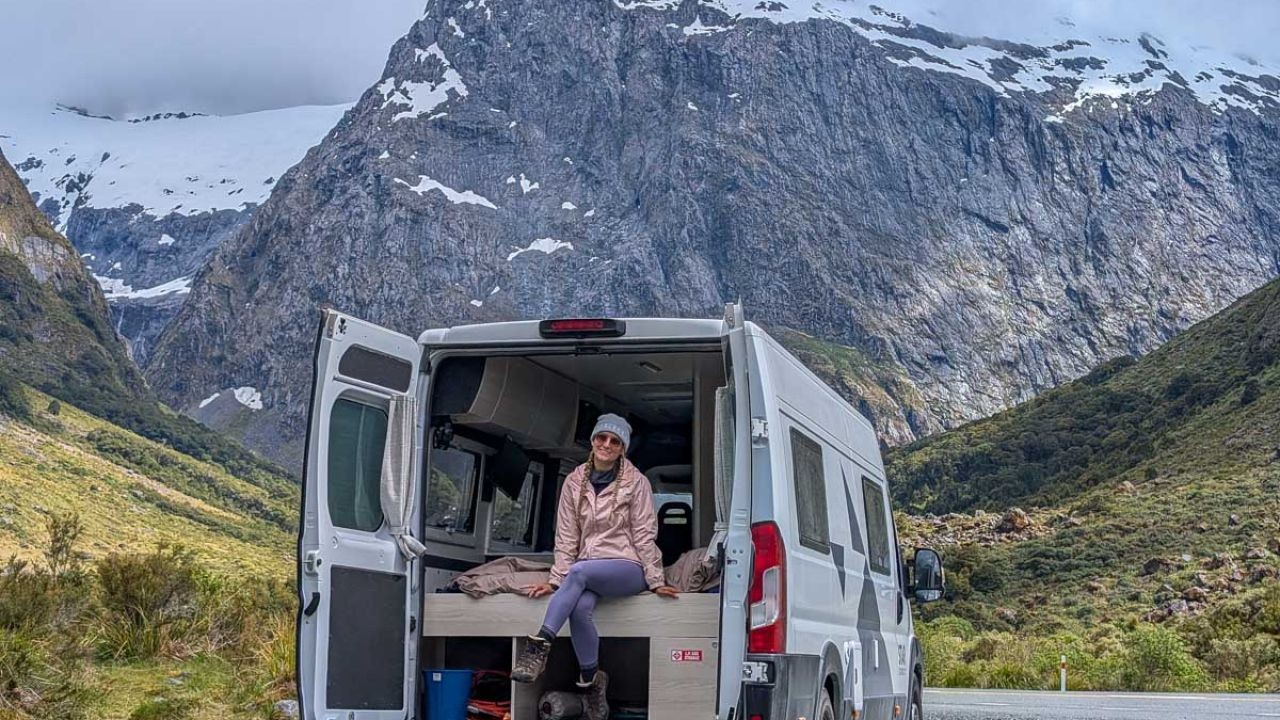
Picture this: you're standing on the edge of the Great Ocean Road, the Southern Ocean crashing against the Twelve Apostles, with a week of freedom ahead. The classic Australian road trip beckons, but a critical financial decision looms: do you secure a string of hotel bookings, or do you embrace the iconic campervan, your home on wheels? For my clients, who view capital allocation through the lens of value and experience, this isn't just a holiday choice—it's a fascinating case study in lifestyle asset utilisation, variable cost analysis, and the true meaning of return on experience (ROE). Let's move beyond the brochure and dissect this decision with the analytical rigour of a wealth manager, because how you travel reveals much about how you invest.
Beyond the Sticker Price: A Framework for True Cost Analysis
The most common error in this comparison is a surface-level look at nightly rates. A hotel room at $250 per night seems to compare favourably to a campervan at $200 per night. This is a fallacy of incomplete accounting. True cost analysis requires us to aggregate all related expenses into a total trip cost, then divide by the experiential output. For a campervan, your nightly fee bundles accommodation, inter-city transport, and a significant portion of your food budget (thanks to the onboard kitchen). For the hotel model, you must layer on top: daily rental car fees, fuel, restaurant meals, and airport transfers. From consulting with local businesses across Australia, I've seen this same principle in action; SMEs that fail to account for total cost of ownership when acquiring assets often find their profitability eroded by hidden operational costs.
The Campervan Proposition: Capital Efficiency on the Open Road
Embracing a campervan is an exercise in operational leverage and capital efficiency. You are consolidating multiple cost centres (transport, accommodation, dining) into a single, depreciating asset for the duration of your trip. The financial advantages are compelling:
- Fixed Cost Clarity: Once booked, your major expense is locked in, providing superb budget certainty—a principle any astute investor values.
- Significant Savings on Dining: The ability to prepare meals is a powerful wealth-preservation tool on the road. The Australian Bureau of Statistics reports that the average Australian household spent $271 per week on food and non-alcoholic beverages in the latest 2023-24 survey. For a family of four on a two-week trip, replicating restaurant dining for every meal could easily add $2,500+ to the trip cost. The campervan kitchen can reduce this by 60% or more.
- Access to Appreciating Assets (Nature): Financially, it grants you access to high-value, low-cost camping in national parks. A powered site in a NSW National Park averages $35-$50 per night for a family, a fraction of the cost of proximate hotel accommodation in high-season tourist towns.
However, this model requires a mindset shift. You are not just a consumer; you are the operator of your own mobile hospitality unit. This means accounting for time spent on setup, breakdown, and maintenance—what an economist would call the "labour input."
The Hotel & Rental Car Model: The Allocated Cost of Convenience
Choosing hotels is akin to opting for a fully managed service. You are outsourcing your accommodation, cleaning, and often your dining, paying a premium for convenience and specialisation. The benefits are tangible:
- Time Efficiency: Your non-exploratory time is minimised. No need to find dump points, manage water tanks, or secure level parking.
- Predictable Comfort & Amenities: Consistency in sleep quality, reliable Wi-Fi, and daily room servicing.
- Geographic Flexibility: You can stay in dense urban centres where campervan parking is prohibitively expensive or unavailable.
The financial downside is the disaggregated cost structure. Each component—Accor room, Hertz rental, Uber transfer, restaurant bill—carries its own margin, stacking costs in a way that quickly surpasses the integrated campervan model for trips beyond a few days. Drawing on my experience in the Australian market, this mirrors the choice between an integrated conglomerate and a portfolio of separate specialist investments; the latter offers peak performance in each category but often at a higher total cost of ownership.
Reality Check for Australian Travellers: The Data-Driven Breakdown
Let's ground this in a real-world scenario: a family of four embarking on a 10-day journey from Sydney to Melbourne via the coastal route. We'll use average high-season rates.
Scenario: Campervan (6-berth, mid-range)
- Campervan Hire (10 days): $2,200
- Fuel & Tolls: $450
- Campsite Fees (mix of national parks & holiday parks): $500
- Groceries & Supplies: $600
- Total Estimated Cost: $3,750
Scenario: Hotel & Rental Car
- Hotel Rooms (family suite or two rooms avg.): $3,000 ($300/night)
- Rental Car (SUV, 10 days): $1,200
- Fuel & Tolls: $450
- Restaurant Dining (family of four): $2,400 ($240/day)
- Airport Transfers / Parking: $200
- Total Estimated Cost: $7,250
The differential is stark: approximately $3,500, or a 48% saving by opting for the campervan. This capital could be redirected into extending the trip, premium experiences, or, as I would counsel clients, back into an investment portfolio. The Reserve Bank of Australia's financial aggregates show household savings buffers are declining; making strategic choices on discretionary spending like travel is a direct lever for maintaining financial health.
Where Most Travellers Go Wrong: The Hidden Costs & Assumptions
Several misconceptions can derail the financial logic of either model.
Myth 1: "Campervans are only for the young and rugged." Reality: The modern Australian campervan market is segmented. From compact "hi-top" vans for couples to luxurious motorhomes with full ensuites and satellite TV for retirees, there's a capital allocation for every comfort level and budget. The key is matching the asset to your required utility.
Myth 2: "Hotels are always more expensive." Reality: For very short city-centric trips (2-3 days), the hotel model can be competitive. The campervan's value proposition scales powerfully with trip duration and remoteness. A weekend in a capital city favours hotels; a fortnight exploring Tasmania's wilderness heavily favours a campervan.
Myth 3: "Freedom camping is always free and easy." Reality: Regulations vary drastically by council. Many popular Australian coastal regions have strict bylaws against unofficial camping, with significant fines. Proper due diligence—researching designated free or low-cost camps via apps like WikiCamps—is as crucial as researching a stock before purchase.
The Intangible ROE: What Your Wealth is Ultimately For
As a wealth manager, I constantly remind clients that capital is a tool to build a life of meaning and experience. This is where the Return on Experience (ROE) calculation becomes paramount. A campervan offers an ROE rich in spontaneity, immersion in nature, and family collaboration. Waking up to a kangaroo outside your window at a remote bush camp is a dividend that doesn't appear on a bank statement. Conversely, the hotel model offers an ROE of rest, urban exploration, and culinary indulgence. Neither is inherently superior, but aligning your choice with your desired experiential outcome is the ultimate mark of strategic spending.
Actionable Insight for the Australian Traveller-Investor
Before you book, run this simple audit:
- Define the Experience: Is this a scenic immersion or an urban cultural tour?
- Conduct a Total Trip Cost Analysis: Create two detailed spreadsheets for your specific itinerary, capturing every foreseeable cost. Don't guess—get real quotes.
- Factor in Your Opportunity Cost of Time: Are you willing to trade some time for setup/takedown for significant financial savings?
- Consider the Off-Season Arbitrage: In my experience supporting Australian companies in tourism-adjacent sectors, demand fluctuations are severe. Travelling in shoulder seasons (April-May, Sept-Oct) can see campervan rates drop by 30-40% and hotel availability soar, dramatically altering the calculus.
- Protect Your Asset: However you travel, ensure comprehensive insurance. For campervans, understand the excess reduction options. This is your liability management—non-negotiable.
The Future of Mobility and Experience
The trend is towards integration and flexibility. We're seeing the rise of platforms like Camplify, which allow owners to rent out their private caravans and motorhomes—an "Airbnb for RVs" that increases market efficiency. Furthermore, the evolution of electric campervans, though in its infancy in Australia due to range and charging infrastructure challenges, promises a future where the cost of fuel (a major variable) becomes the cost of electricity, potentially altering the model again. The savvy traveller-investor will watch this space, as it mirrors larger shifts towards the sharing economy and sustainable assets.
Final Takeaway & Strategic Call to Action
The question of campervan versus hotel is a microcosm of sound financial decision-making: it demands a full-scope cost analysis, an understanding of your own utility preferences, and a clear view of the desired return. For extended journeys, especially those exploring Australia's magnificent regional landscapes, the campervan stands out as a remarkably capital-efficient vehicle for both transport and profound experience. It converts saved capital into either extended adventure or reinvestible savings.
Your challenge: Before your next holiday, don't just plan an itinerary—plan a capital deployment strategy. Run the numbers, assess the intangible ROE, and make a choice that optimises for both memory-making and financial sensibility. The best investment you can make is in experiences that enrich your life, provided they don't undermine the wealth that makes them possible.
People Also Ask
Is renting a campervan in Australia worth it for a solo traveller? Absolutely, though the economics shift. Smaller 2-berth vans are cheaper, and while you lose some cost-sharing, the freedom and total cost can still undercut single-occupancy hotel rooms and car hire, especially on longer trips. The social hostels remain a budget alternative, but lack mobility.
What are the biggest hidden costs of campervan travel? Three often overlooked items: 1) The premium insurance excess reduction, which is wise but adds cost. 2) Generator fees if you need off-grid power. 3) The "convenience tax" of last-minute supplies at remote roadhouses, which can double your grocery spend if not planned for.
How far in advance should I book a campervan in Australia? For peak seasons (Dec-Jan, Easter), secure your vehicle 6-9 months ahead. Demand vastly outstrips supply. For shoulder seasons, 3-4 months provides good selection and better rates. This is a classic supply-constrained market play.
Related Search Queries
- campervan hire Australia cost comparison 2024
- best time to book motorhome Australia
- family road trip Australia budget planning
- freedom camping rules NSW Victoria Queensland
- Camplify vs Apollo vs Britz which is cheaper
- hidden costs of maui motorhome rental
- is it cheaper to rent a car and stay in cabins
- Australian tourism statistics domestic travel spending
- how to save money on food while travelling Australia
- electric campervan availability Australia
For the full context and strategies on Renting a Campervan vs. Staying in Hotels – Which One Saves You More? – The Real Reason It’s Exploding in Australia, see our main guide: Healthcare Training Videos Australia.