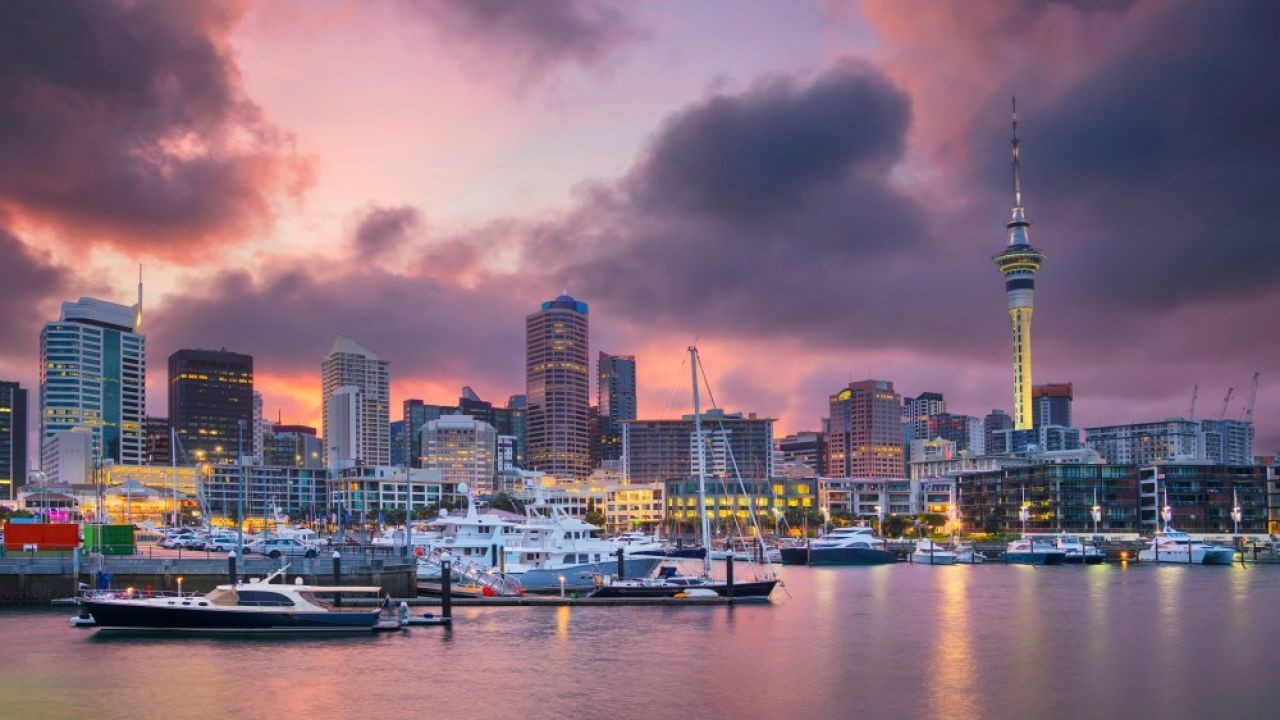





Wellington stands at a pivotal moment in its urban evolution. The city, cradled by hills and harbour, faces a profound and necessary challenge: accommodating a growing population within its constrained geography while upholding its cherished character and environmental values. The solution, as outlined in the Wellington City District Plan and the National Policy Statement on Urban Development (NPS-UD), is strategic intensification. For the sustainability advocate, this isn't merely a planning exercise; it's a critical test of our commitment to building a resilient, low-carbon, and socially equitable city. The data is unequivocal. According to Stats NZ, Wellington City's population is projected to grow by approximately 40,000 people by 2048. Housing this growth solely through low-density, greenfield sprawl is environmentally and economically untenable, placing immense pressure on infrastructure, biodiversity, and our climate goals.
The Imperative for Density: A Sustainability Lens
From a sustainability perspective, well-designed density is not the problem—it is the foundation of the solution. Dispersed, car-dependent suburban development is a primary driver of carbon emissions, habitat fragmentation, and inefficient resource use. In contrast, compact urban forms centred around quality public transport, walking, and cycling dramatically reduce per-capita environmental footprints. The Wellington City Council's own targets for reducing transport emissions hinge on this very principle.
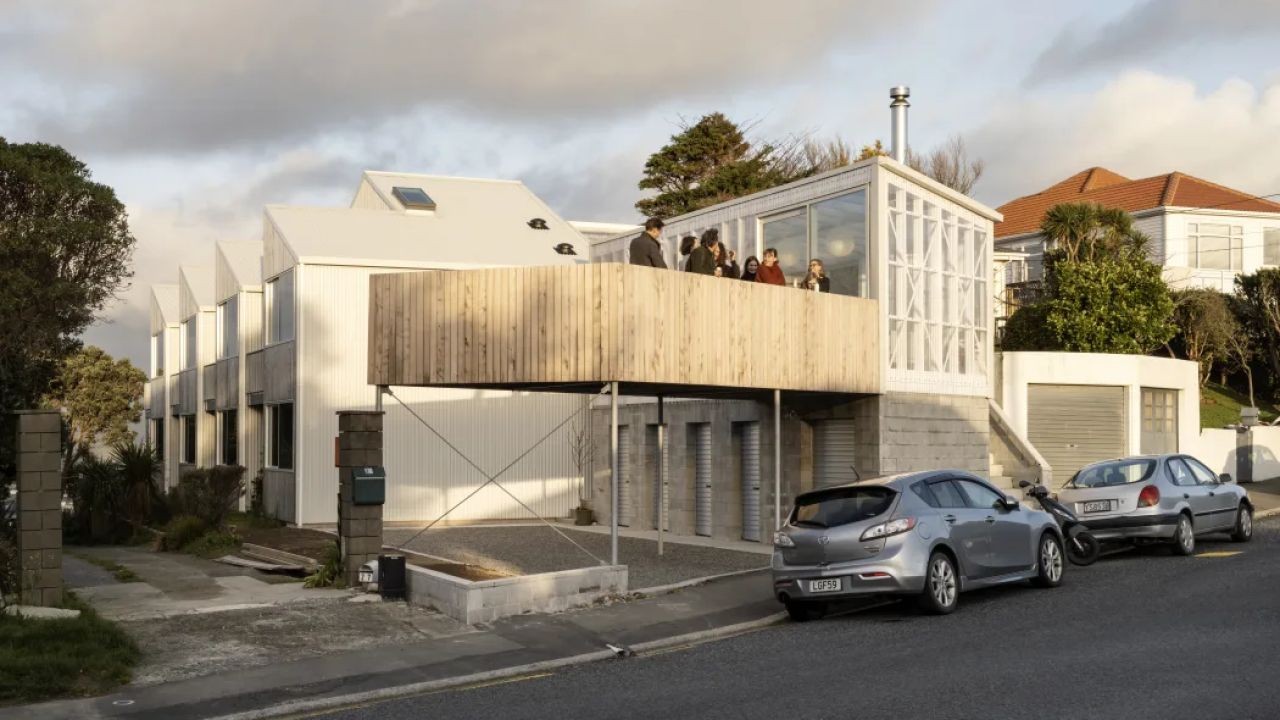
Drawing on my experience in the NZ market, the resistance to density often stems from a fear of losing local character and a misunderstanding of what modern, quality intensification entails. The sustainable model is not about replicating the monolithic apartment blocks of decades past. It's about fostering "gentle density"—well-designed terraced housing, townhouses, and low-rise apartments that integrate with existing streetscapes, preserve sunlight and privacy, and are built to high environmental standards. This approach directly supports other key sustainability pillars: enabling efficient public transit, reducing infrastructure costs per household, and preserving the precious green belts and natural areas that define Wellington's edges.
Key Actions for Wellington Residents
- Engage with the District Plan: Understand the proposed zoning changes in your suburb. The plan identifies "walkable catchments" around city centres, metro hubs, and rapid transit stops where greater height and density are enabled.
- Advocate for Quality: Support developments that prioritise good design, energy efficiency (e.g., Homestar 6+), and communal green space, not just maximum yield.
- Consider the Broader System: Advocate for concurrent investment in the supporting ecosystem: frequent bus and rapid transit services, upgraded water infrastructure, and vibrant local parks.
Navigating the Debate: Character vs. Capacity
The most heated debate in Wellington's density journey pits the preservation of neighbourhood "character" against the urgent need for housing capacity and affordability. This is often framed as a binary conflict, but a sustainable resolution requires a more nuanced analysis.
Advocate Perspective: The Necessity of Change
Proponents argue that character is not static; cities are living entities that must adapt. The current character of many inner suburbs is already exclusive, locking out younger generations, essential workers, and lower-income families. The NPS-UD, which mandates enabling three dwellings of up to three storeys on most sites, is seen as a vital tool to correct this. The sustainability argument here is powerful: increasing density within existing urban boundaries is the most land-efficient and climate-friendly way to grow. It makes better use of existing roads, pipes, and community facilities, avoiding the colossal carbon and financial cost of greenfield development.
Critic Perspective: Risks of Poor Implementation
Critics, including many residents' associations, fear that blanket upzoning will lead to poor-quality, speculative development that erodes sunlight, privacy, and heritage values without delivering genuine affordability. They point to the risk of "shoe-box" apartments and the strain on ageing infrastructure, particularly Wellington's vulnerable water network. Their concern is that the pace of regulatory change is outstripping the city's ability to ensure quality and provide necessary upgrades, leading to substandard outcomes that will be regretted for generations.
The Middle Ground: Strategic, Quality-Led Intensification
The sustainable path forward lies in a middle ground that acknowledges both valid concerns. Based on my work with NZ SMEs in the construction and design sector, the key is coupling enabling rules with strong, enforceable design standards. The Wellington City District Plan's "Design Guide" is a critical tool in this regard. The focus must shift from a purely numerical debate about height and density to a qualitative one about outcomes. Will new buildings be carbon-efficient? Do they provide family-friendly layouts and private outdoor space? Do they contribute positively to the street? From consulting with local businesses in New Zealand, I've seen that developers who embrace these quality principles often find less community resistance and achieve better market acceptance.
Future Forecast: The 15-Minute City and Climate Resilience
The long-term trend for Wellington, and all progressive cities, is the "15-minute city" model—where residents can meet most of their daily needs within a short walk or cycle from home. Density is the essential fuel for this model, creating the critical mass needed to support local shops, services, and community facilities. Wellington's natural topography creates a series of potential 15-minute village centres, from Island Bay to Khandallah.
Furthermore, climate resilience will become an inseparable part of the density discussion. Future developments in flood-prone or coastal areas must incorporate adaptive design. The 2022 MBIE report on building for climate change highlights the need for new homes to be both low-emissions and resilient to extreme weather. This dual mandate makes thoughtful, well-located density even more critical. Building compact, efficient homes in less vulnerable areas, connected by resilient public transport, is a core climate adaptation strategy.
Industry Insight: The Green Premium and Affordability
A less-discussed trend is the evolving business case for sustainable density. Having worked with multiple NZ startups in the proptech and green building space, I observe a growing "green premium" for well-designed, sustainable homes, even in a denser format. Buyers and renters are increasingly valuing lower operating costs (energy, water) and healthier living environments. The challenge for policymakers is to ensure this premium does not exacerbate affordability issues. This will require innovative approaches, such as leveraging the cost savings from infrastructure efficiency (a benefit of density) to subsidise or mandate affordability components and green building standards in new developments.
Common Myths and Mistakes in the Density Debate
- Myth: Density always leads to overcrowding and worse quality of life. Reality: Well-planned density can enhance liveability by creating vibrant, walkable neighbourhoods with better access to amenities, parks, and social connection than isolated suburbs. Copenhagen and Vancouver are prime examples.
- Myth: Building more houses anywhere will solve the affordability crisis. Reality: Supply is only one factor. Location, type, and policy are crucial. Density without concurrent investment in transport, and without mechanisms like inclusionary zoning to secure affordable units, can simply create more high-end housing in desirable locations.
- Mistake: Focusing only on new buildings. Solution: A truly sustainable approach must also aggressively promote retrofitting and uplifting the existing housing stock for energy efficiency, which addresses emissions and health without always requiring demolition.
Final Takeaways for the Sustainable Wellingtonian
- Density is a Tool, Not an Ideology: Its sustainability value depends entirely on how and where it is implemented. Advocate for strategic, quality-led intensification.
- Systems Thinking is Essential: Housing cannot be siloed. Successful density requires integrated planning for transport, water, green space, and community services.
- Engage from a Position of Informed Advocacy: Move beyond simplistic "for" or "against" positions. Engage with council consultations to support plans that mandate high environmental and design standards within new growth areas.
- The Future is Compact and Connected: Embracing a well-designed, denser Wellington is the most practical pathway to a climate-resilient, affordable, and vibrant city that retains its unique spirit.
People Also Ask (PAA)
How does the NPS-UD affect my Wellington property? The National Policy Statement on Urban Development requires councils to enable more density. For most standard residential zones in Wellington, this means you have a right to build up to three dwellings, three storeys high, without needing a resource consent for density, subject to specific design standards.
Will more density make housing more affordable in Wellington? Increased supply is necessary but not sufficient. To improve affordability, density must be paired with policies like inclusionary zoning (requiring a percentage of affordable homes in developments) and a diversity of housing types, including smaller, more efficient units for singles, couples, and smaller households.
What are the environmental benefits of urban density? Compact urban form significantly reduces per-capita carbon emissions by shortening travel distances, enabling efficient public transit, reducing land conversion, and allowing for more efficient district heating/cooling and utility provision compared to sprawl.
Related Search Queries
- Wellington District Plan 2023 explained
- Three storeys three dwellings rule Wellington
- Wellington housing affordability trends 2024
- Pros and cons of townhouse living Wellington
- Climate change and urban planning New Zealand
- Wellington water infrastructure capacity new housing
- What is gentle density urban design?
- Wellington public transport future plans
For the full context and strategies on Wellington Housing Density Explained for Residents – What Every Kiwi Should Know, see our main guide: Festival Event Tourism Videos New Zealand.