




Imagine a world where the dawn chorus of the tūī and bellbird falls silent, where the ancient, moss-draped giants of our podocarp forests wither, and our iconic alpine landscapes are stripped of their snowy crowns. This is not a distant dystopian fiction; it is the projected trajectory for Aotearoa New Zealand's unique ecosystems under the relentless pressure of climate change. Our geographic isolation, which forged a land of extraordinary endemism—over 80% of our native flora and fauna are found nowhere else—has become a profound vulnerability. As a sustainability advocate working at the intersection of ecology and enterprise, I see this not just as an environmental crisis, but as a fundamental challenge to our national identity, economy, and future prosperity. The data is clear, the mechanisms are understood, and the time for incremental action has passed. What remains is our collective will to engineer a resilient future.
The Unfolding Data: A Snapshot of a System Under Stress
To grasp the scale of the challenge, we must move beyond abstract global temperatures and examine the specific, quantifiable impacts unfolding in our backyard. The National Institute of Water and Atmospheric Research (NIWA) states unequivocally that our climate is warming, with annual average temperatures increasing by approximately 1.1°C since 1900. This seemingly small number belies its dramatic consequences.
Consider our alpine zones, the cherished "water towers" of the South Island. The Southern Alps have lost a staggering 18% of their ice volume since the late 1970s. This isn't just a loss of scenic beauty; it's a direct threat to our hydroelectric power generation, agricultural irrigation, and municipal water supplies. On our coasts, the Ministry for the Environment reports that sea-level rise is accelerating, with a measured increase of 1.81 mm per year over the past century—a rate that is now quickening. This translates to increased coastal erosion, saltwater intrusion into freshwater aquifers, and existential threats to low-lying communities and infrastructure.
Perhaps most critically for our biodiversity, changing temperature and rainfall patterns are shifting ecological zones. Species adapted to specific microclimates are being forced uphill or southward, but for many, there is simply nowhere left to go. A study from the University of Auckland highlighted that under current warming scenarios, the climatic habitat for our national tree, the pōhutukawa, could shrink by as much as 25% by the end of the century. From observing trends across Kiwi businesses, I see a parallel: our primary industries—particularly agriculture, horticulture, and viticulture—face identical spatial challenges as traditional growing regions become climatically unsuitable, forcing a costly and complex geographical rethink.
Key Actions for Kiwi Advocates & Businesses
- Demand & Use Localised Data: Support and utilise tools like the MBIE-funded "Climate Change Risk Assessment for New Zealand" to understand region-specific vulnerabilities for your community or business operations.
- Future-Proof Infrastructure: For any coastal or floodplain development, insist on planning that incorporates the latest MFE sea-level rise projections (at least 1.5m by 2150 as a risk assessment baseline).
- Engage with Biodiversity Strategies: Actively participate in or support local Predator Free 2050 and riparian planting initiatives. Ecosystem resilience is a collective effort.
How It Works: The Interconnected Mechanisms of Disruption
The impact of climate change is not a single hammer blow but a cascade of interconnected pressures. Let's deep-dive into three primary mechanisms destabilising our ecosystems.
1. Thermal Squeeze and Phenological Mismatch
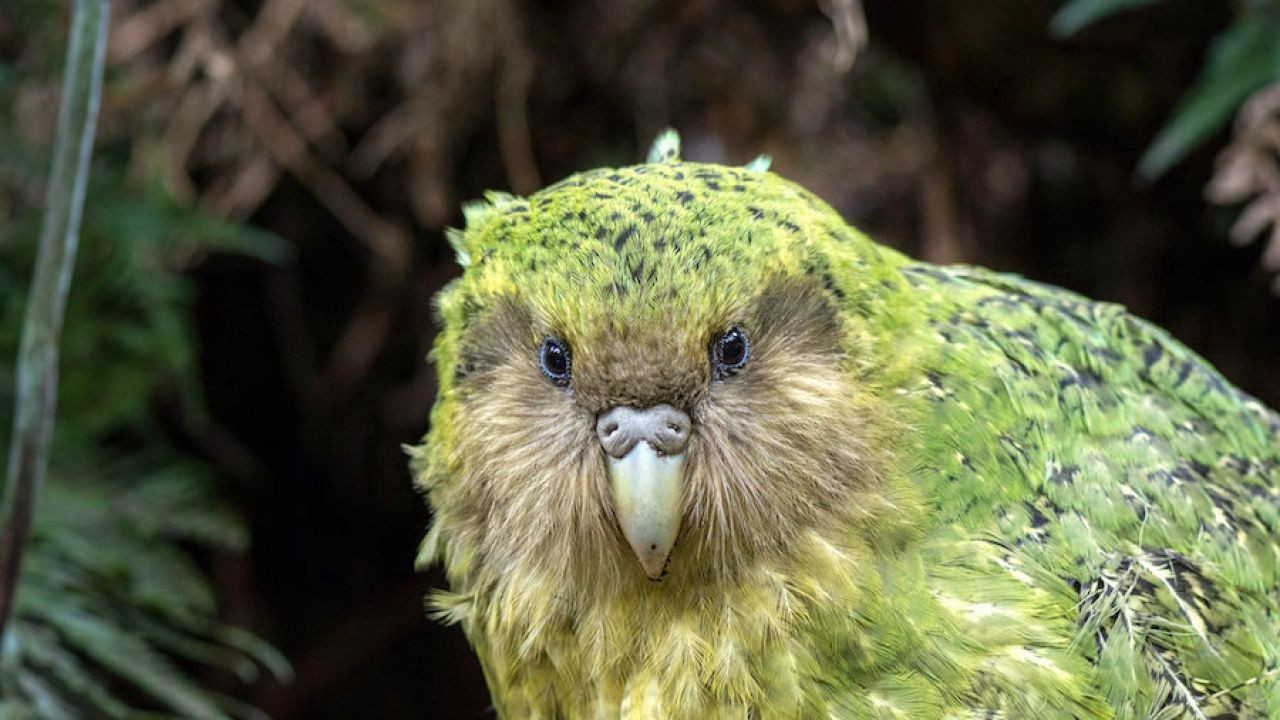
As temperatures rise, cool-adapted species are compressed into ever-smaller high-altitude refuges. The iconic kea, the world's only alpine parrot, faces reduced snow cover for play and foraging, while increased temperatures at lower altitudes allow predators like stoats to thrive and invade previously safe zones. Furthermore, warming disrupts delicate timing cues. Many native plants and pollinators have evolved in sync over millennia. If flowering times shift due to warmer springs but insect hatch cycles do not adjust at the same rate, a "phenological mismatch" occurs, leading to failed pollination and reduced seed set. In my experience supporting Kiwi companies in the horticulture sector, we are already modelling similar mismatches for export crops like kiwifruit, where frost protection and pollinator management calendars are being radically rewritten.
2. Ocean Acidification and Warming: The Silent Crisis Offshore
Our responsibility extends beyond the coastline. The oceans absorb about 30% of anthropogenic CO2, leading to acidification. For calcifying organisms like pāua, scallops, and planktonic species at the base of the marine food web, this means struggling to build and maintain their shells and skeletons. Concurrent ocean warming is causing subtropical species to move into our waters, competing with and predating on native life. The cascading effect on our commercial fisheries and the entire marine ecosystem, from phytoplankton to blue whales, is immense and still being quantified.
3. Intensified Disturbance Regimes: Fire, Flood, and Storm
A warmer climate holds more moisture, leading to more intense rainfall events and flooding, which scours riverbeds and destroys freshwater habitats. Conversely, it also leads to longer, drier periods in eastern regions, elevating wildfire risk. Our native ecosystems, like the beech forests of the central North Island, are not adapted to frequent, high-severity fire. A major blaze can reset succession for centuries and open the door for invasive, fire-adapted weeds like gorse. Drawing on my experience in the NZ market, the 2020 Lake Ōhau fire was a stark lesson in this new reality, devastating native bush and highlighting the urgent need for updated fire management and land-use planning in vulnerable regions.
Case Study: The Maukahuka Pest Free Auckland Island Initiative – A Test of Resilience
Problem: Auckland Island, part of our Subantarctic UNESCO World Heritage site, is a globally significant biodiversity haven. However, it is under direct threat from climate change facilitating the spread of invasive species. Warmer temperatures could allow existing pest populations (pigs, mice, cats) to explode and make the island more susceptible to new incursions. The inherent resilience of its unique ecosystems, including the endangered Auckland Island shag and the giant herbaceous plant, the megaherb, is being systematically undermined.
Action: The Department of Conservation (DOC), in partnership with Ngāi Tahu and the Morgan Foundation, launched the ambitious Maukahuka project to eradicate all pests from the island. This is not just a conservation win; it's a critical climate adaptation strategy. By removing this compounding pressure, the native ecosystems are given their best possible chance to withstand and adapt to climatic shifts. The project employs cutting-edge technology, including AI-assisted monitoring and precision bait application, representing a fusion of deep ecological understanding and innovative toolkits.
Result: While the eradication is ongoing, the projected outcomes are transformative:
✅ Restoration of 46,000 hectares of pristine ecosystem, enhancing carbon sequestration.
✅ Secured future for over 120 native species, including 23 endemic bird species.
✅ Creation of a climate-resilient refuge, a "biological insurance policy" for the nation.
Takeaway: This case study powerfully illustrates that climate action and biodiversity action are inseparable. For New Zealand businesses and policymakers, the lesson is to invest in "resilience infrastructure"—whether natural, like restored wetlands that buffer floods, or operational, like diversifying supply chains. The most cost-effective adaptation is to strengthen the underlying system.
Debunking Myths: Clearing the Air on Common Misconceptions
Myth 1: "New Zealand's contribution to global emissions is small, so our actions don't matter." Reality: While our gross emissions are a fraction of major economies, our per-capita emissions are among the highest in the OECD. More importantly, as a developed nation with a powerful "clean, green" brand, we have a disproportionate moral and leadership responsibility. Our real impact lies in pioneering scalable solutions—in regenerative agriculture, renewable energy, and ecosystem restoration—that can be adopted globally.
Myth 2: "Ecosystems will naturally adapt; they've survived climate changes before." Reality: Past climatic shifts occurred over millennia, allowing for gradual migration and evolution. The current anthropogenic change is occurring at a pace orders of magnitude faster. Our unique species, evolved in isolation without mammalian predators, have limited innate resilience and nowhere to migrate to. Active, human-assisted adaptation is now a necessity of conservation.
Myth 3: "Protecting nature is a cost we can't afford, especially for the economy." Reality: This is a catastrophic false economy. Our primary export sectors—tourism, agriculture, and aquaculture—are wholly dependent on healthy ecosystems and our clean green brand. Stats NZ's environmental-economic accounts show the contribution of natural resources to our wealth. Investing in nature is investing in the foundational capital of the New Zealand economy.
The Road to Resilience: A Framework for Optimistic Action
The picture is serious, but it is not one of despair. It is a blueprint for urgent, purposeful action. Our path forward rests on three pillars:
- Aggressive Mitigation: Decarbonising our energy, transport, and agricultural systems with utmost speed is non-negotiable. Every fraction of a degree of warming avoided reduces the pressure on our ecosystems.
- Smart, Ecological Adaptation: We must move beyond defensive, engineered solutions (like sea walls) and towards working with nature. This means large-scale riparian and wetland restoration to manage floodwaters, creating ecological corridors to allow species movement, and implementing taonga species translocation plans.
- Empowered Kaitiakitanga: Supporting Māori-led conservation initiatives is critical. The intergenerational, holistic worldview of kaitiakitanga offers a powerful framework for managing ecosystems as interconnected wholes, not as isolated resources.
Through my projects with New Zealand enterprises, I see a burgeoning wave of innovation in this space—from startups developing low-emission fertilisers to tourism operators embedding genuine conservation outcomes into their customer experiences. The market is aligning with the mission.
Future Trends & Predictions: The Next Decade in Aotearoa
Looking ahead, we will see the integration of climate resilience into every facet of policy and business. I predict that within five years, biodiversity net gain will become a mandatory condition for major land-use consents, similar to the UK's model. We will see the rise of "climate-ready" native forestry portfolios, blending carbon sequestration with native habitat restoration. Furthermore, as consumers globally demand verifiable sustainability, our export credentials will depend on transparent, blockchain-tracked proof of ecosystem-positive practices, from farm to port.
Final Takeaways & Call to Action
The fate of our unique ecosystems is the ultimate test of our generation's stewardship. This is not a niche environmental issue; it is the central thread connecting our economy, our culture, and our global identity.
- Fact: Our climate is changing at a pace that outstrips the natural adaptive capacity of our endemic species.
- Strategy: The most effective action integrates aggressive emissions reduction with large-scale, science-led ecosystem restoration to build resilience.
- Mistake to Avoid: Siloing climate policy from economic, agricultural, and conservation policy. They are one and the same.
- Pro Tip: Use your voice and wallet to support businesses, policies, and community initiatives that demonstrably enhance ecosystem health.
The call to action is clear. Become an advocate for nature-based solutions in your community, your profession, and your political engagements. Volunteer for a planting day, invest in a sustainable fund, demand stronger corporate and government accountability. The resilient, thriving Aotearoa we all envision is possible, but it will be built not by chance, but by the deliberate, optimistic choices we make today.
What’s your next step in building ecosystem resilience? Share your commitment or idea below to inspire our community.
People Also Ask (FAQ)
How does climate change specifically affect Māori culture and taonga species? Climate change directly threatens taonga species like the kererū and pāua, which are integral to Māori culture, identity, and traditional practices (mahinga kai). It also risks damaging culturally significant sites (wāhi tapu) through coastal erosion and flooding, severing physical connections to ancestry.
What is the single most impactful thing an individual Kiwi can do? Beyond reducing personal emissions, advocate for and participate in local native ecosystem restoration. Protecting and expanding existing forest, wetland, and marine habitats is the most effective way to draw down carbon and create resilient refuges for biodiversity simultaneously.
Are there any "bright spots" or positive examples of adaptation in NZ? Yes. Projects like "Whangawehi" in Hawke's Bay (Māori-led catchment restoration) and the work of the Zero Invasive Predators (ZIP) organisation are world-leading. They show that with community partnership, mātauranga Māori, and science, we can actively rebuild ecosystem resilience.
Related Search Queries
- New Zealand native species climate change extinction risk
- Sea level rise impact Auckland Wellington Christchurch
- Predator Free 2050 climate change link
- Regenerative agriculture New Zealand climate resilience
- MBIE climate change risk assessment tool
- Native forest carbon sequestration rates NZ
- How to volunteer for ecosystem restoration NZ
- Climate change and Māori land (whenua)
- Ocean warming impact on NZ fisheries
- Drought resistant native plants New Zealand
For the full context and strategies on Impact of climate change on New Zealand's unique ecosystems – How It Could Redefine Life and Business in NZ, see our main guide: Youtube Alternatives New Zealand.